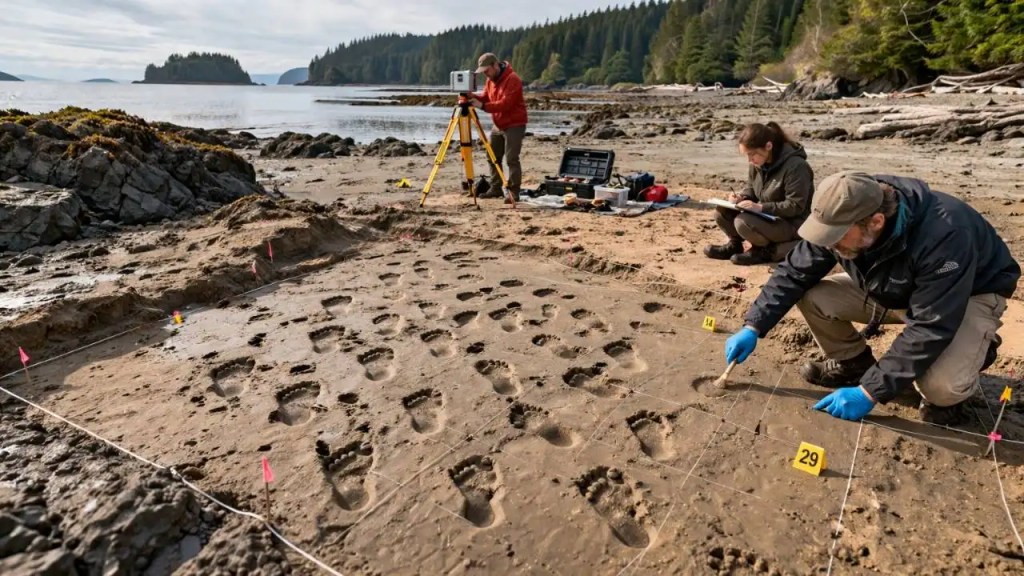
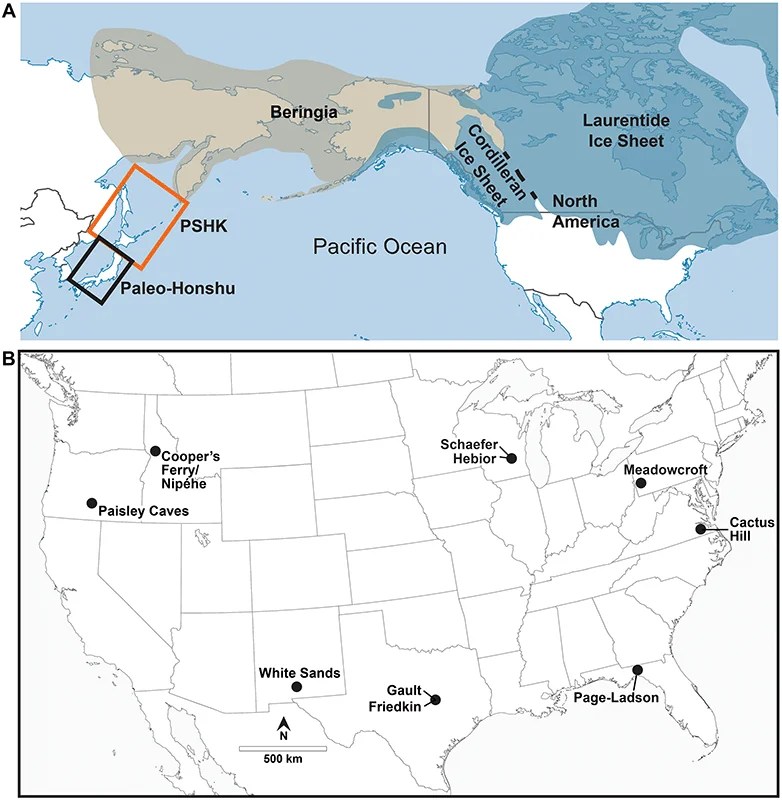
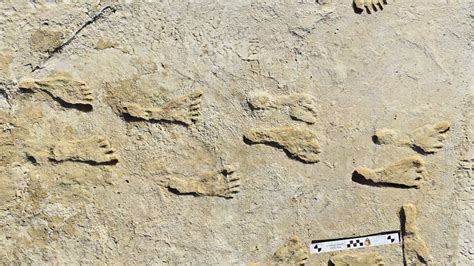
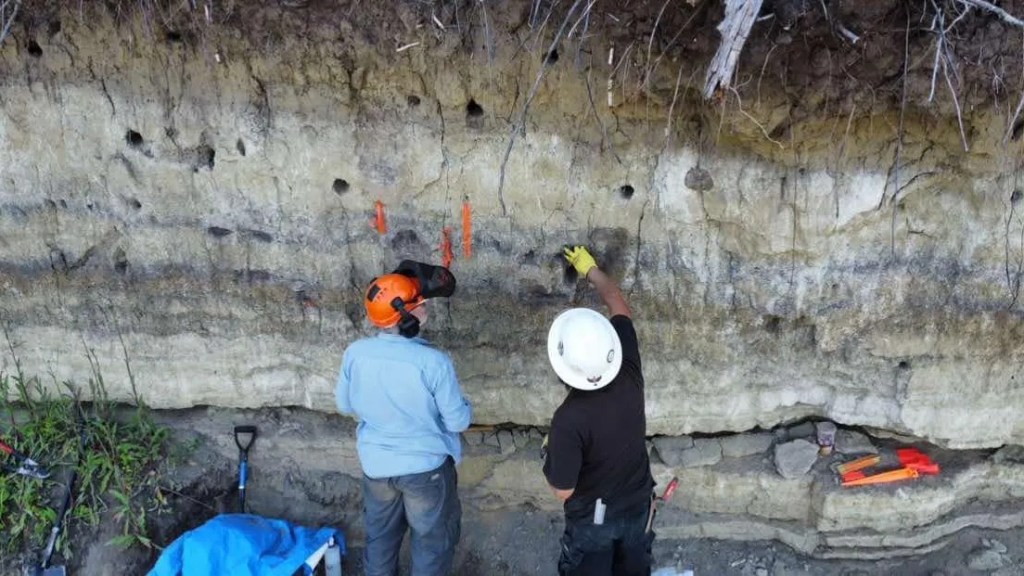
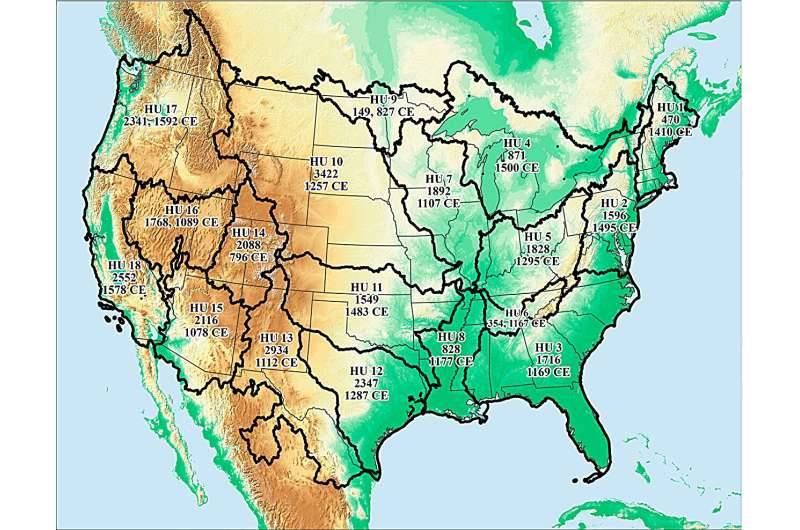
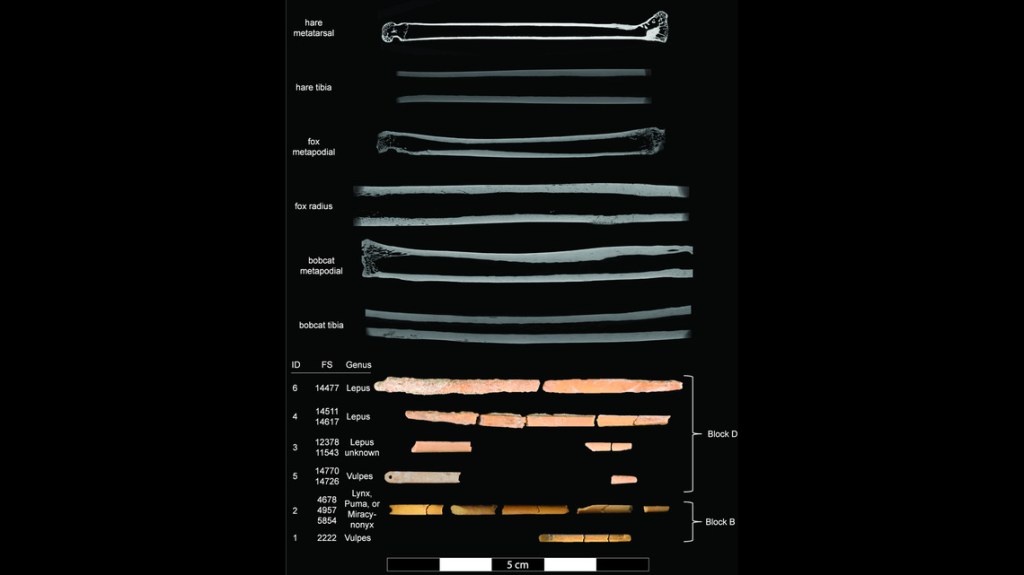
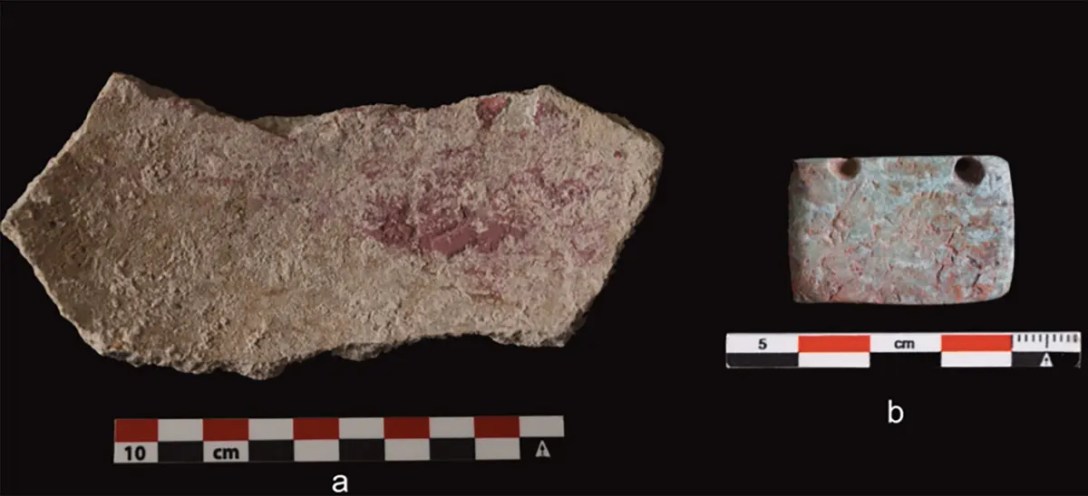
(MY NOTE; I had the same skepticism about the dates of this discovery until Vance Halliday’s study. He presents good evidence that the dates are for real. There will still be a lot of research on those dates.)
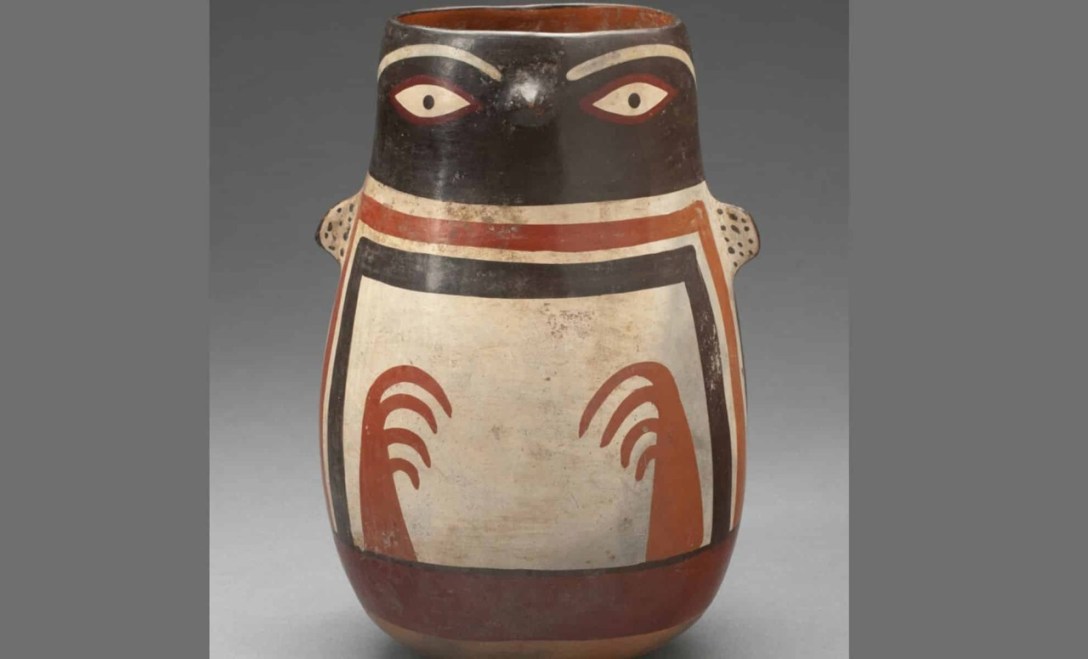
How Ancient Civilizations Used Parrots in Ritual Life
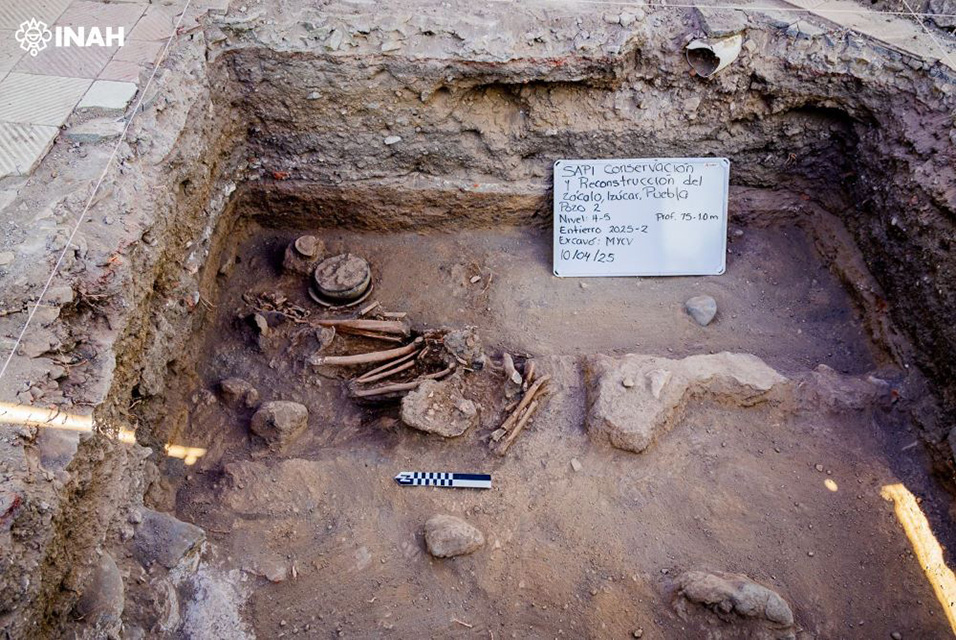
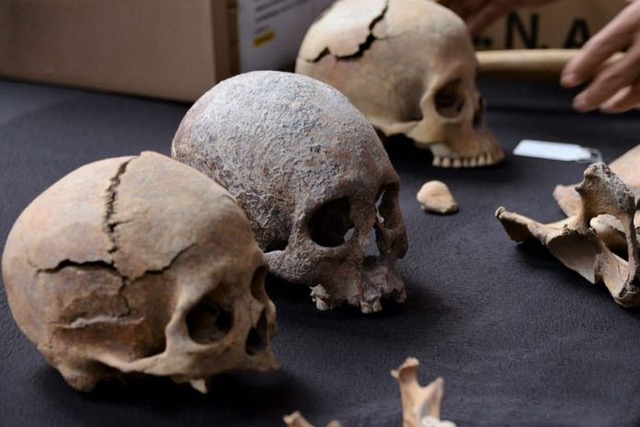
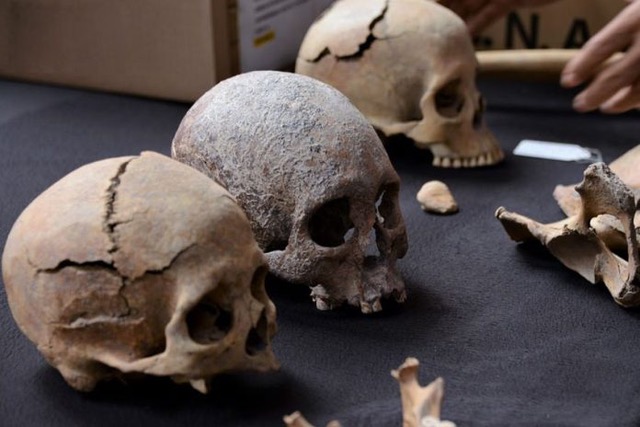
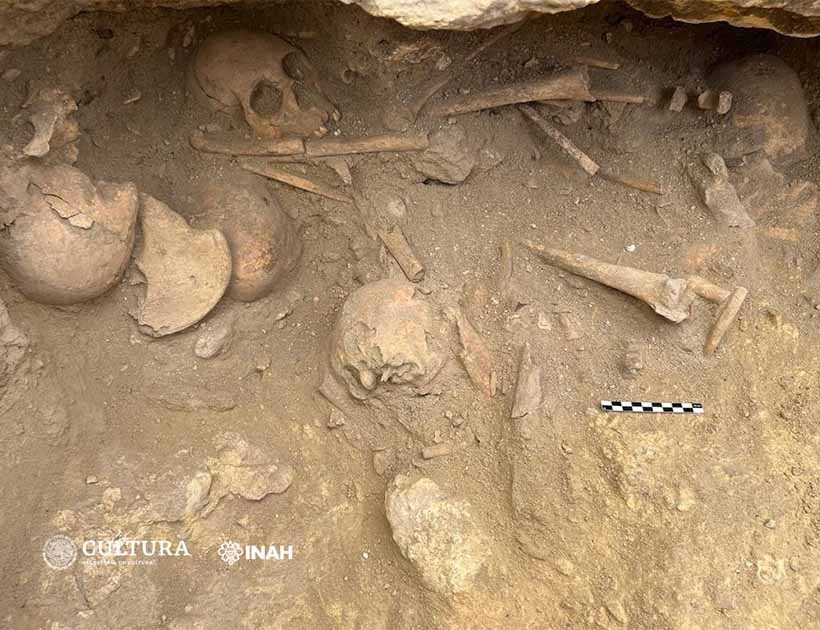
INAH archaeologists have surmised that the large number of female remains on the great skull rack in the Aztec capital of Tenochtitlan are related to the origin myth of Huitzilopochtli. The skull rack is dated to the reign of Ahuzotl from 1486-1502 He doubled the size of the Aztec empire during his reign.
The myth of Huitzilopochtli, the solar and war deity of the Aztecs, includes the great confrontation he had with the lunar goddess Coyolxauqui. There are 655 human skulls on the skull rack. 38% of them are females. They were probably female warriors or pregnant women who had a stillbirth. Female sacrifices recreated the path of Coyolxauqui to Serpent Mountain (Mount Coatepec) where she attacked her mother Coatlicue. Huitzilopochtli was in Coatlicue’s womb, and sprang fully armed from the womb of his mother and threw Coyolxauqui down the side of the mountain.
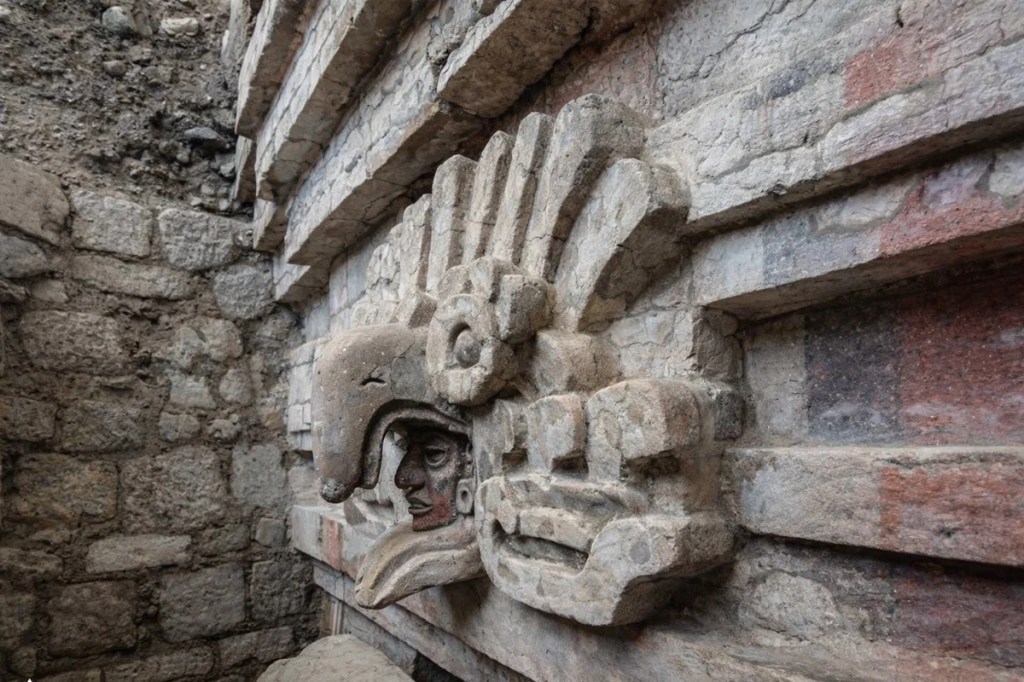
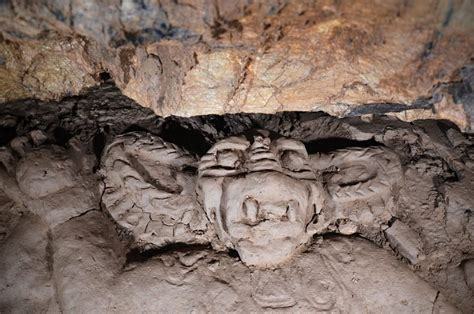
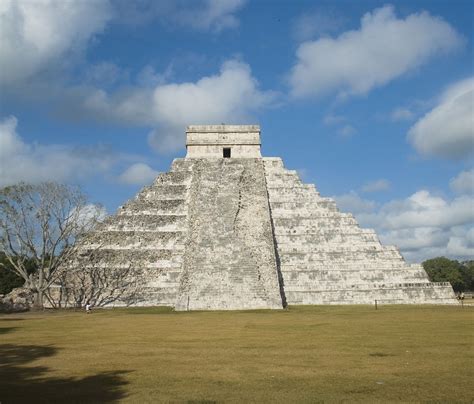
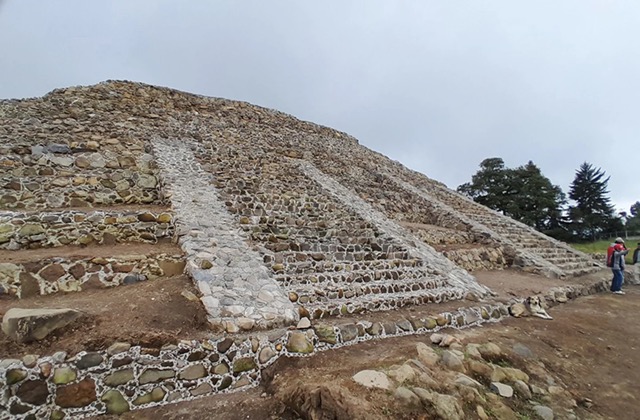
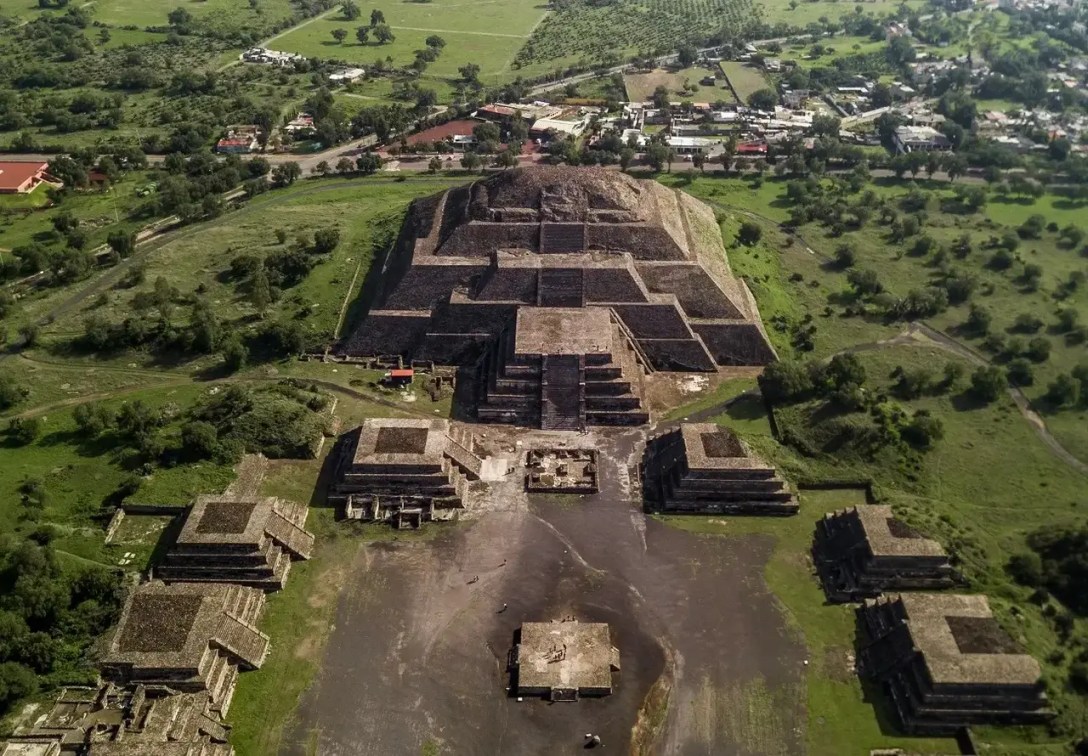
The Cholula Pyramid is dedicated to the major god of the Aztecs, Quetzalcoatl
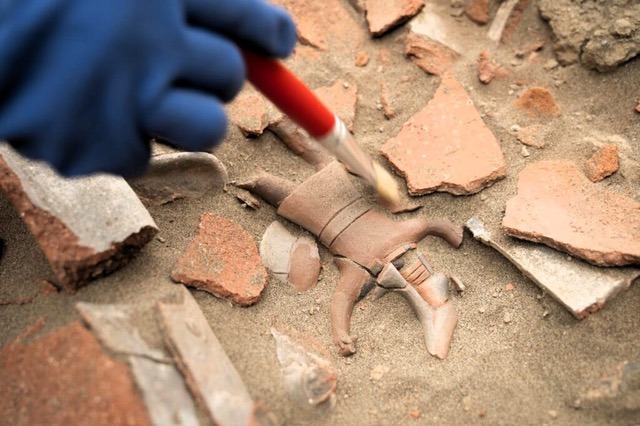
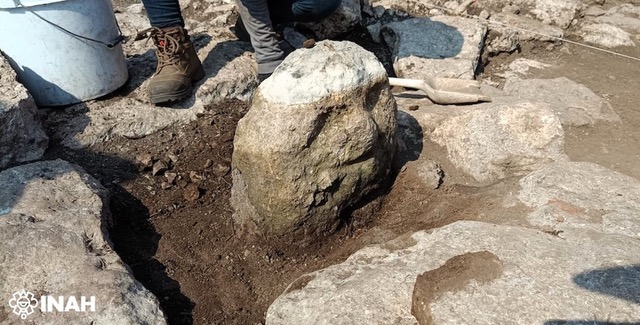
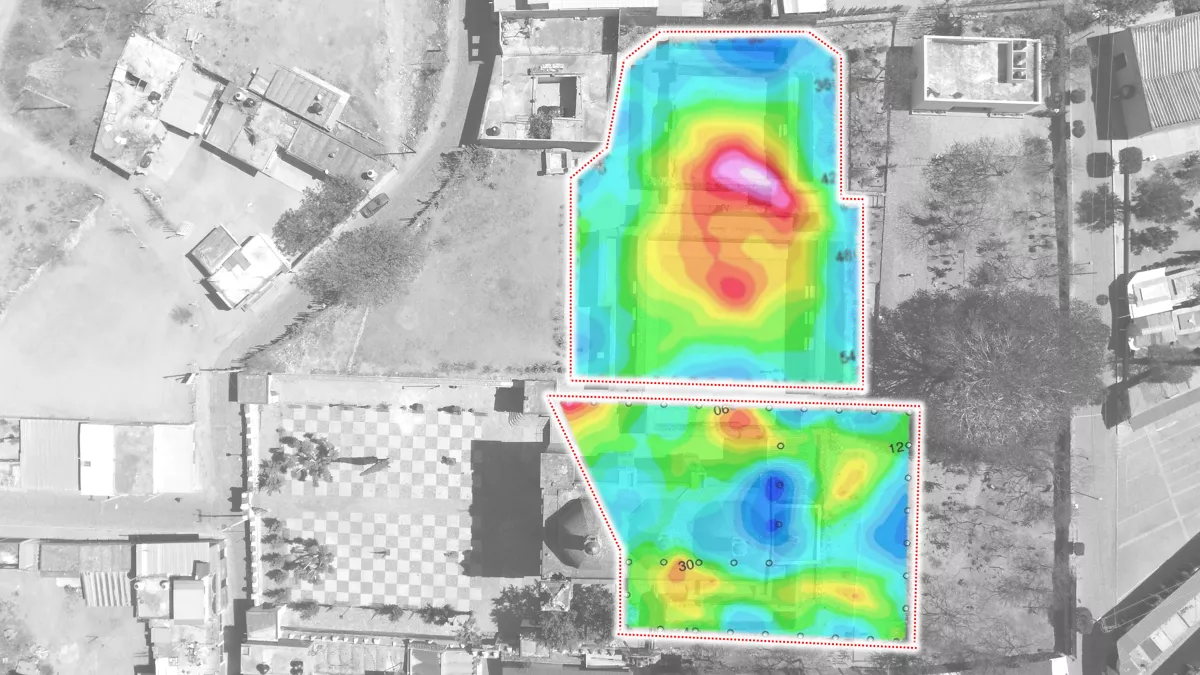
INAH is doing restoration work at the pyramid and have found an adobe core on the east side that dates to Late Classic. Broken ceramics there were braziers indicating sustained use of fire at the pyramid. A cylindrical sculpture in white stone representing Tlaloc, the god of rain, storms and fertility has been uncovered.
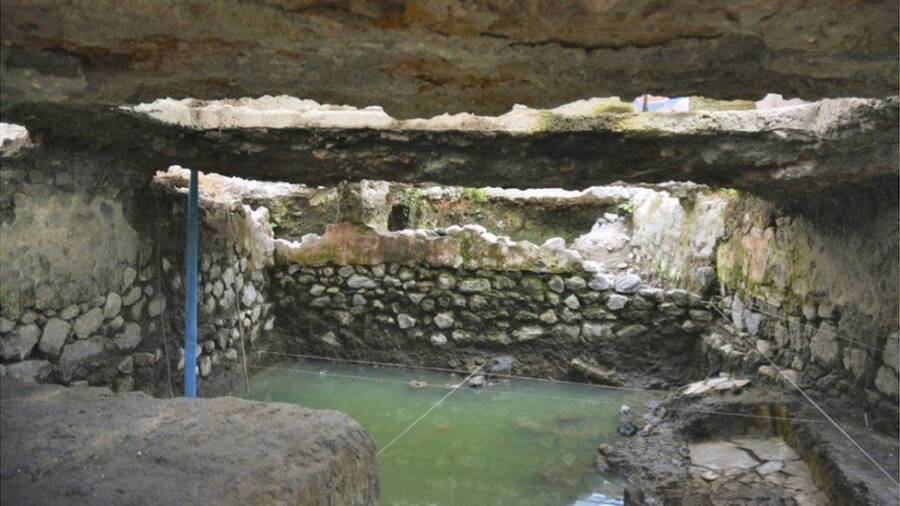
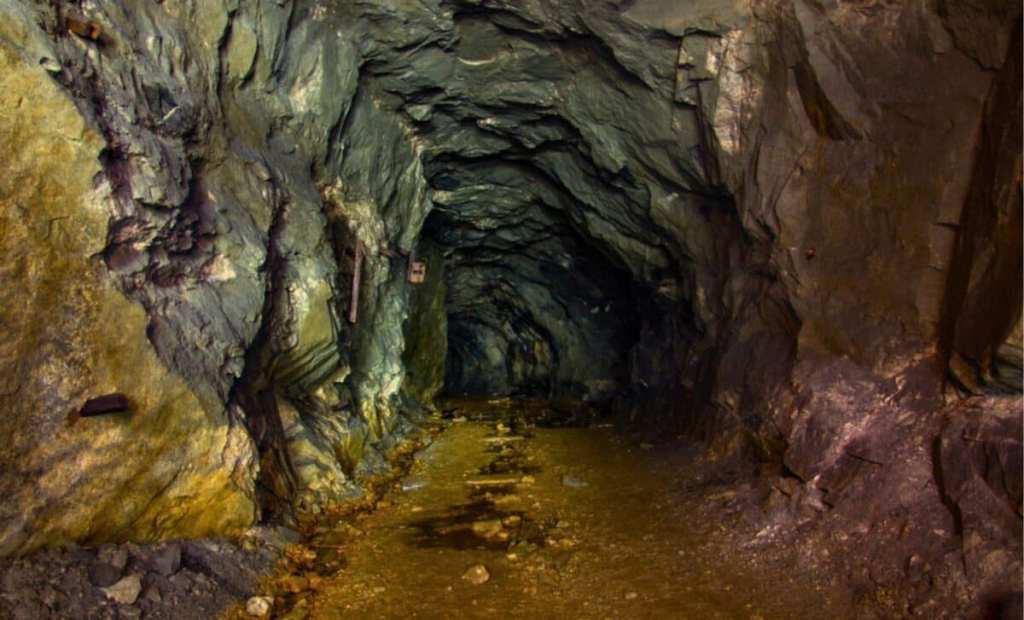
INAH is studying the underground level and 24 tunnels under the pyramid.
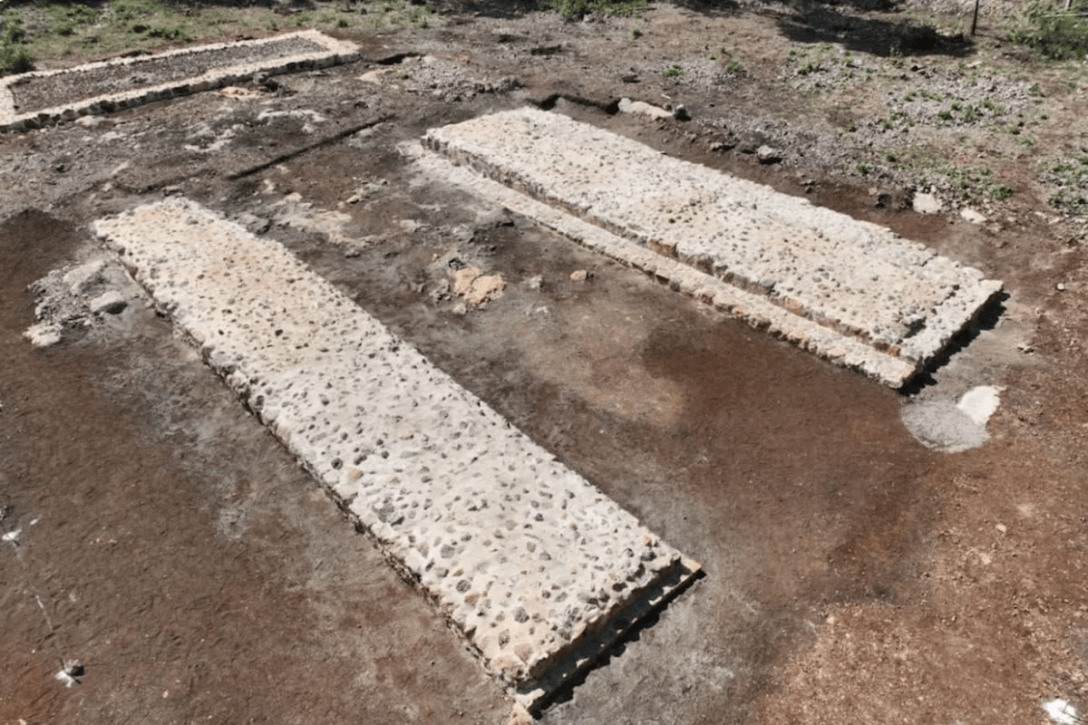
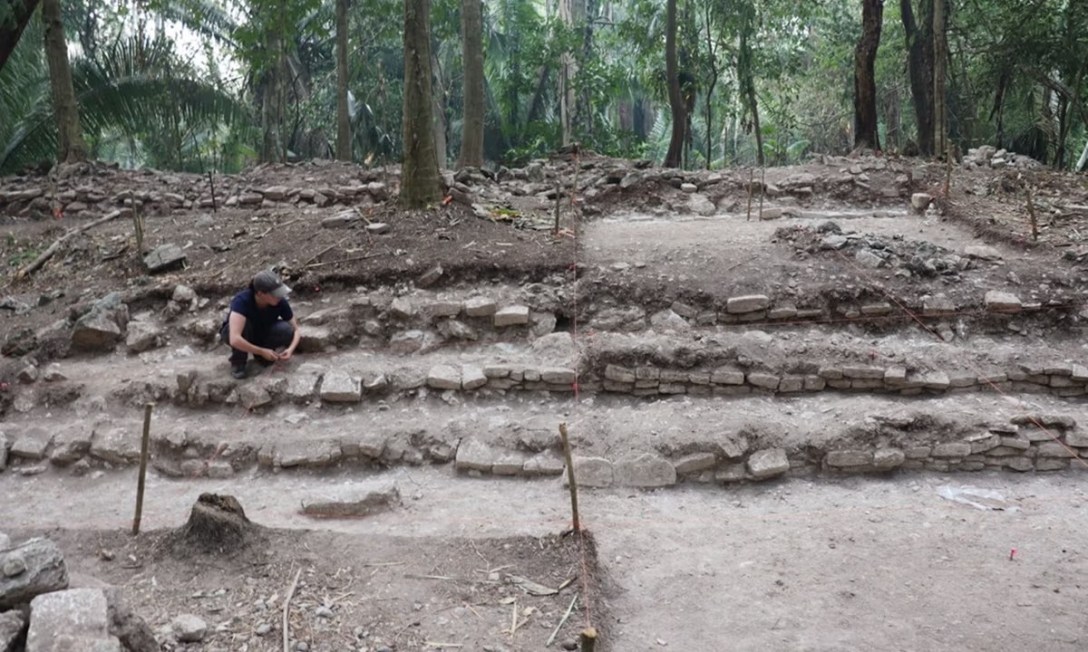
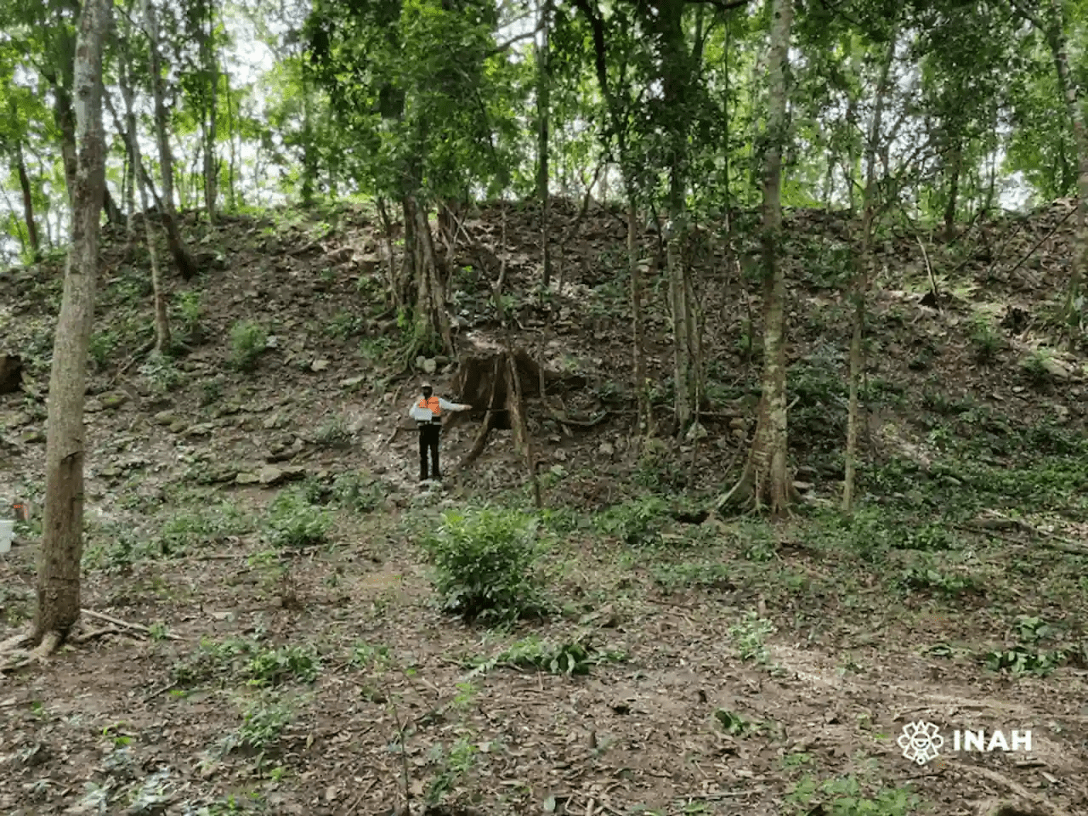
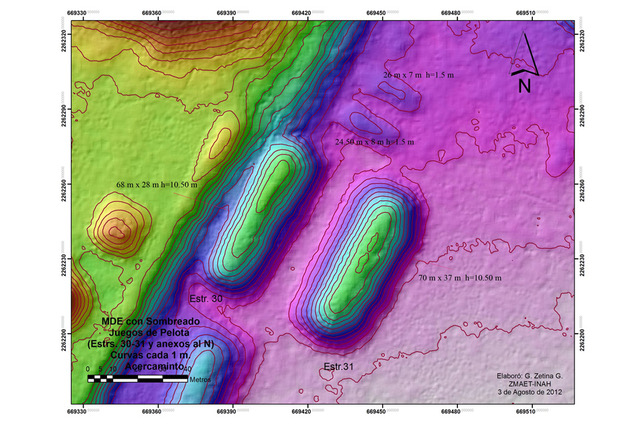
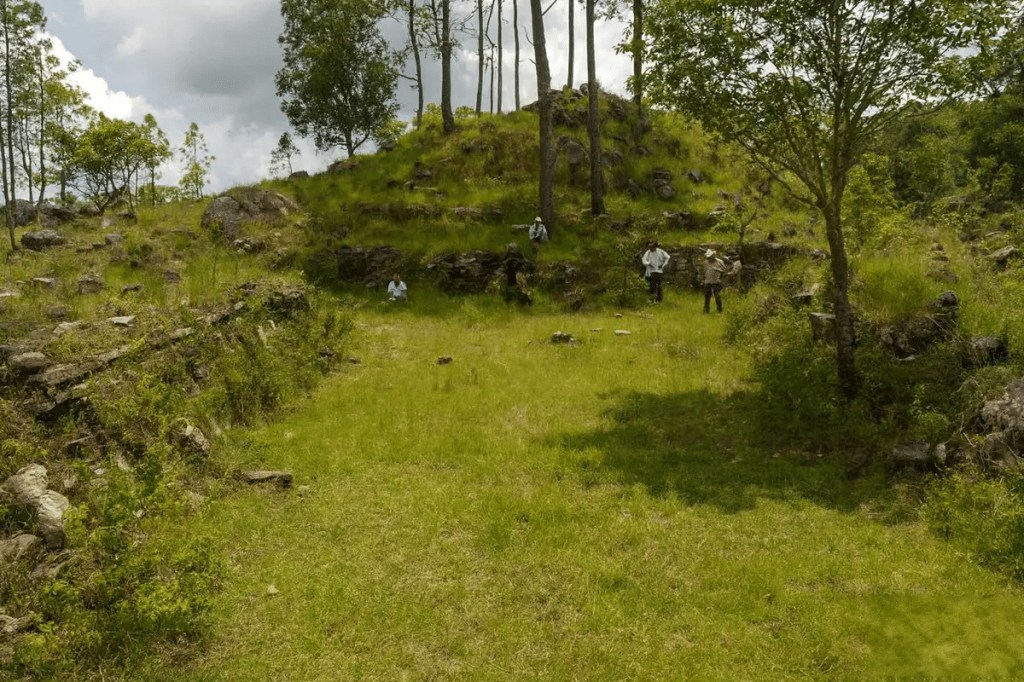
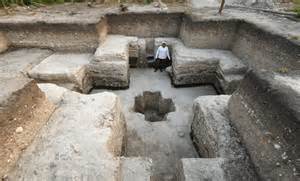
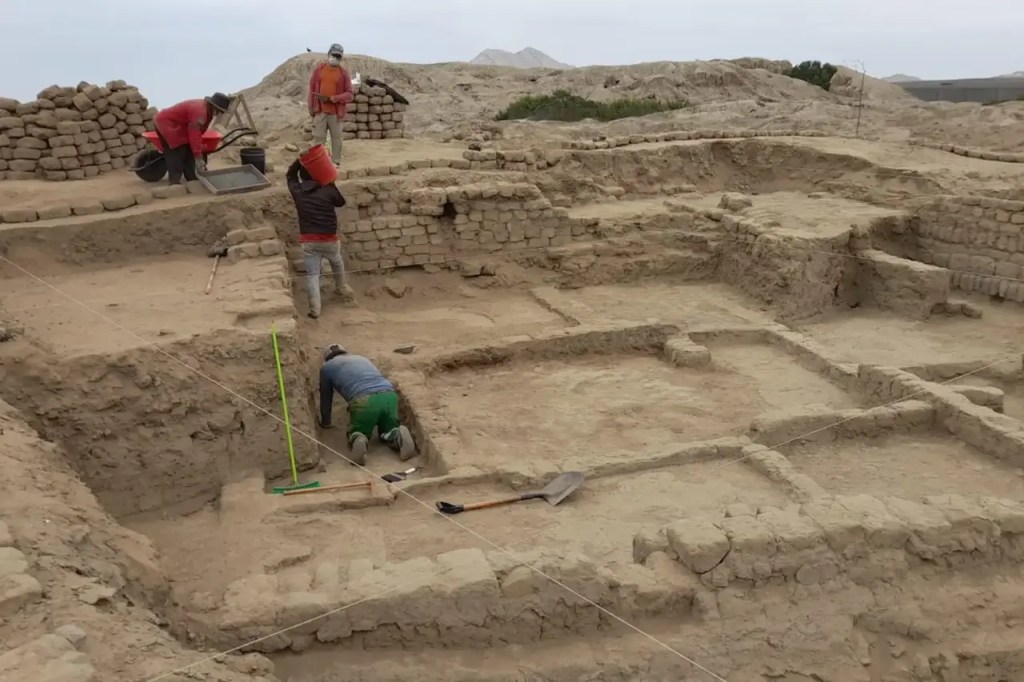
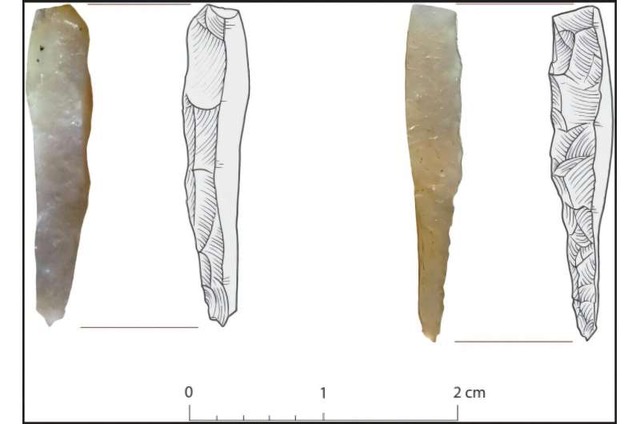
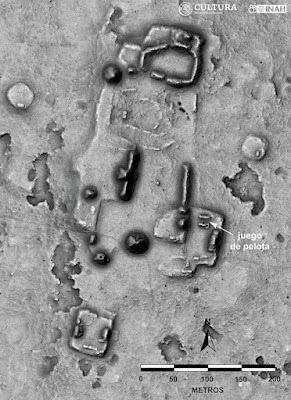
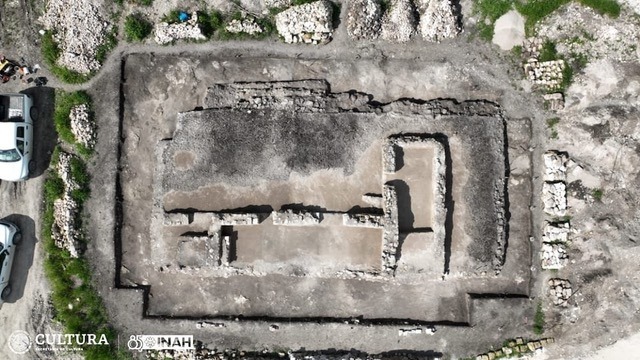
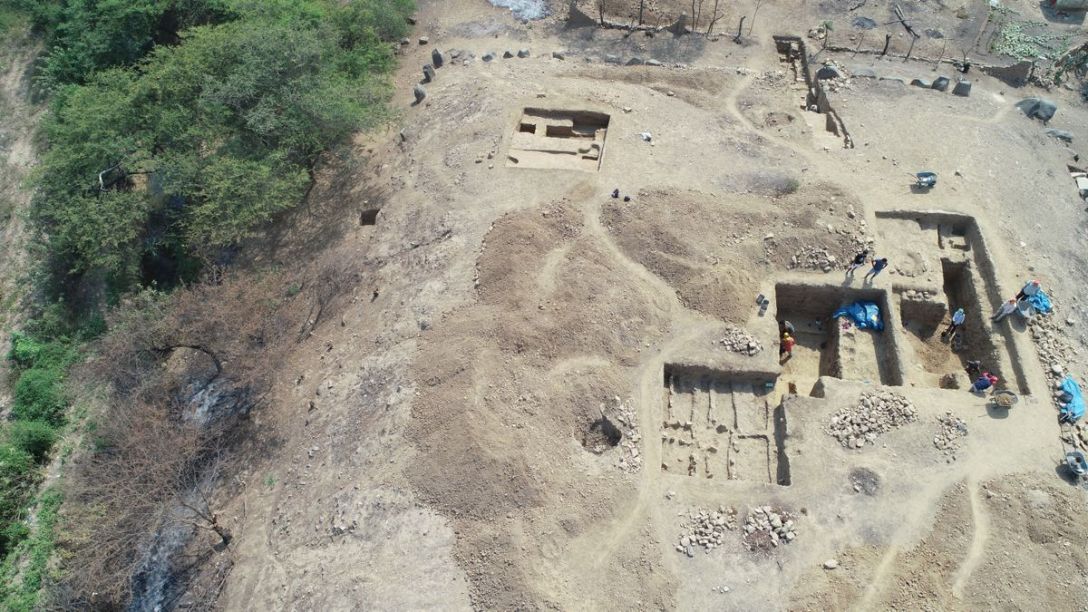
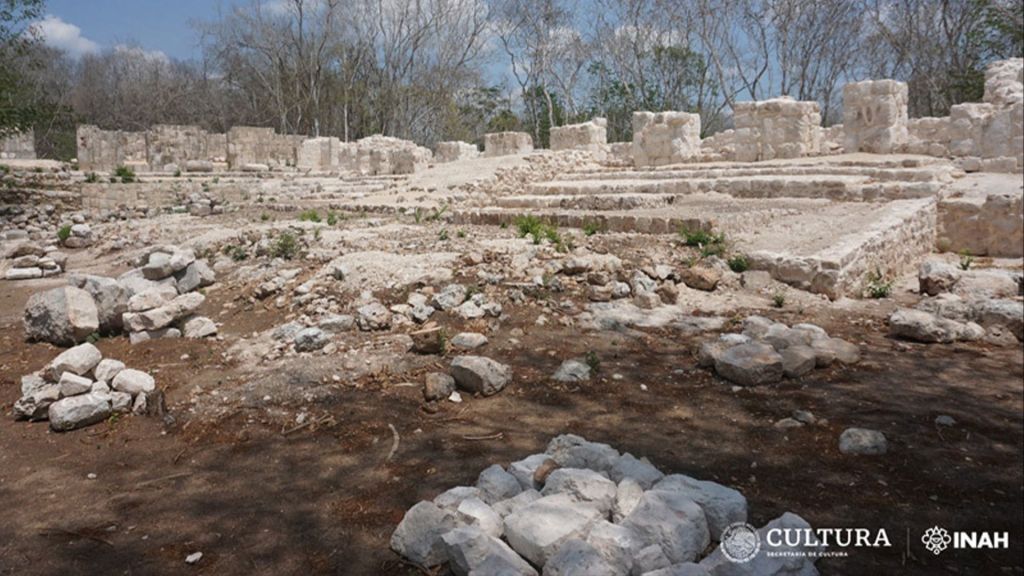
Archeologists in the Mexican state of Tamaulipas at the Huastec state of El Naranjo have uncovered four earthen mounds. The new area was used for burials and daily activities. They have found hearths, ceramics, projectile points, and grinding stones.
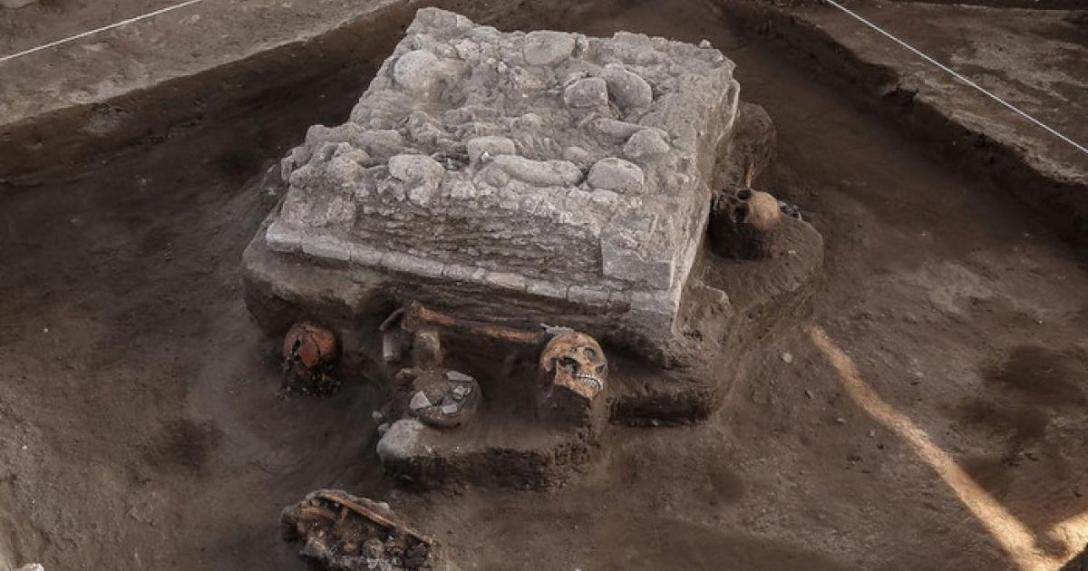
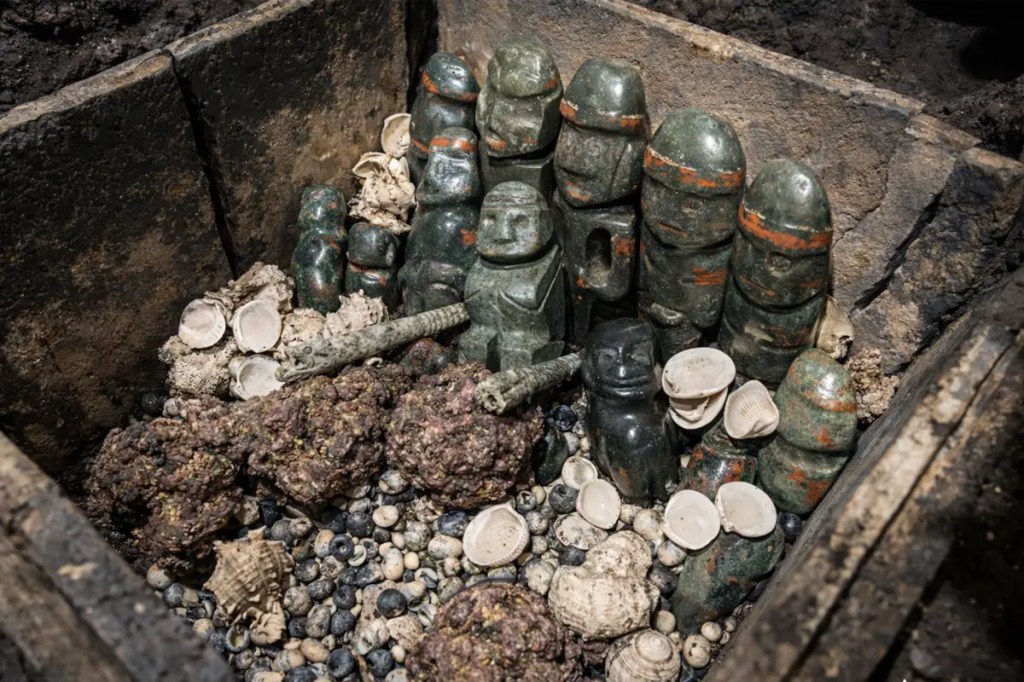
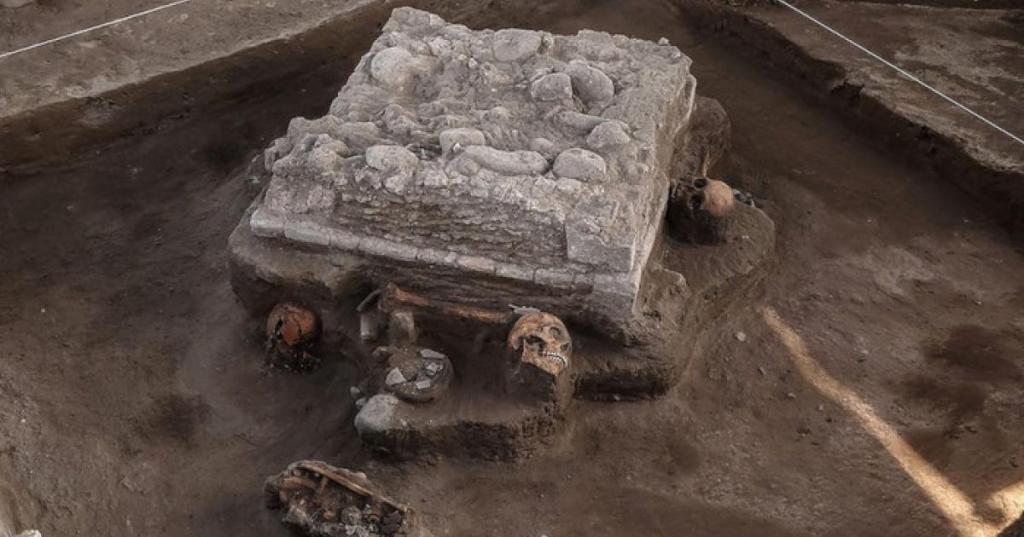
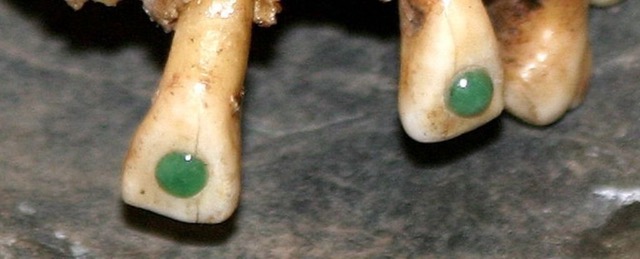
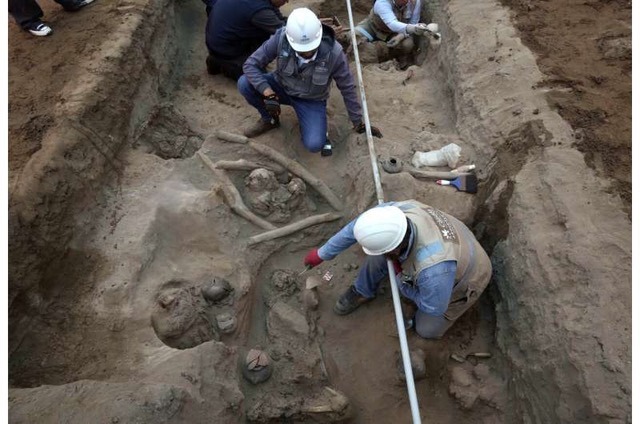
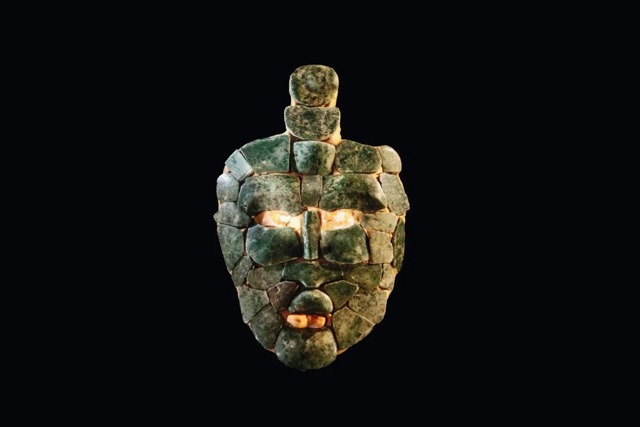
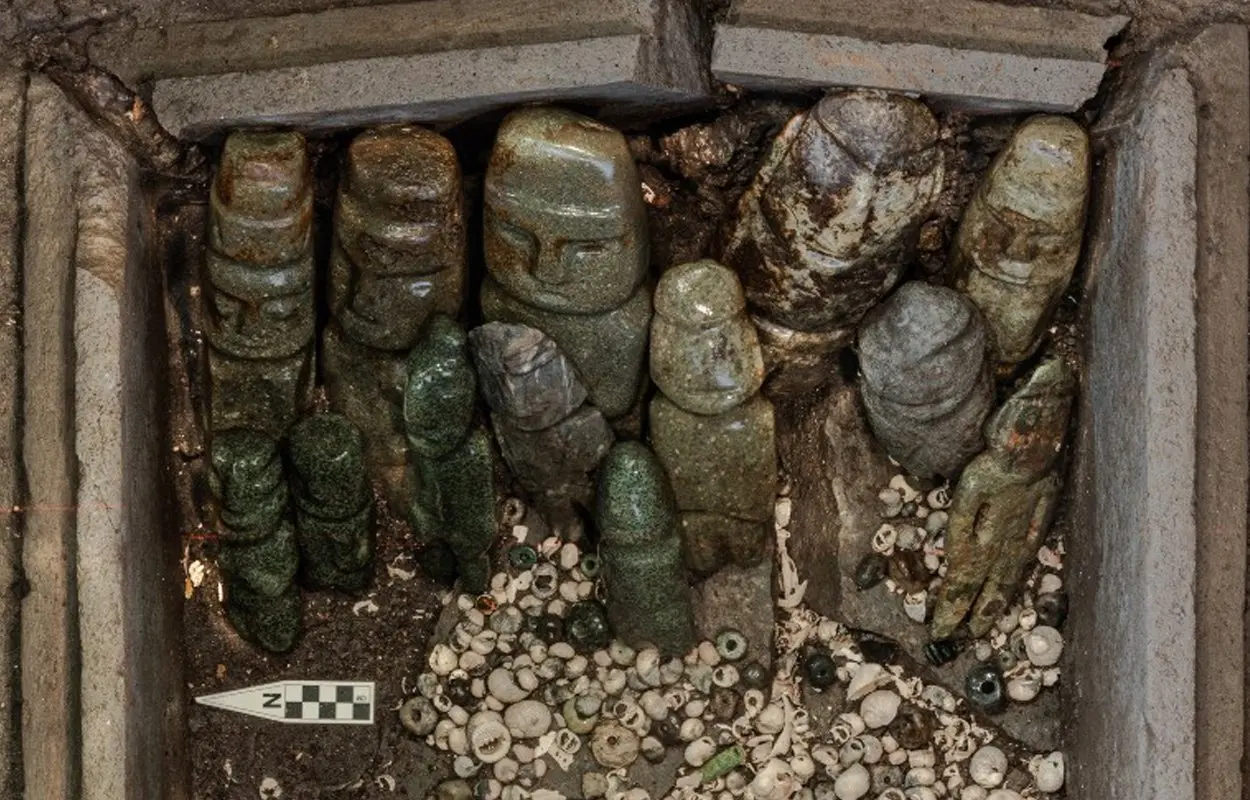
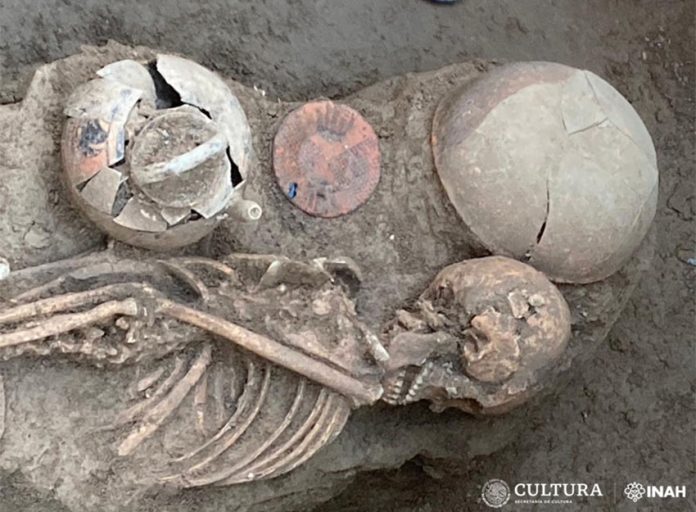
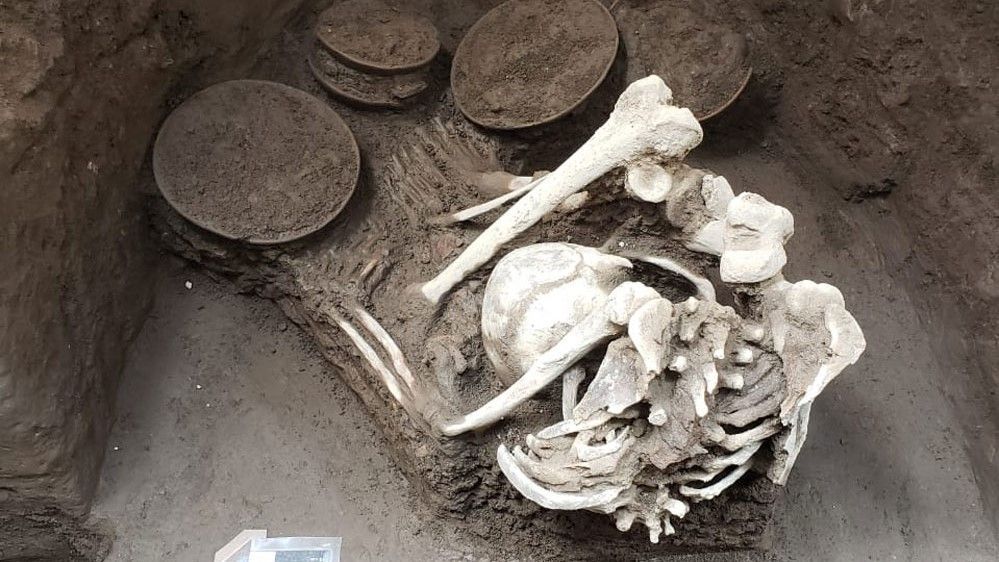
Mound 4, revealed multiple burials of adults adorned with earrings made of green quartz and shells, some carved in the shape of flowers. At the larger Mound 1, researchers identified several other burials, and a grave one adult within a limestone structure.
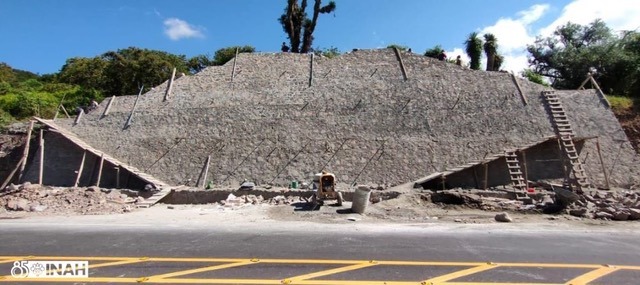
The mounds were made of alternating layers of earth, limestone and basalt. The area was uncovered as a result of new highway construction in the area, and research will continue.
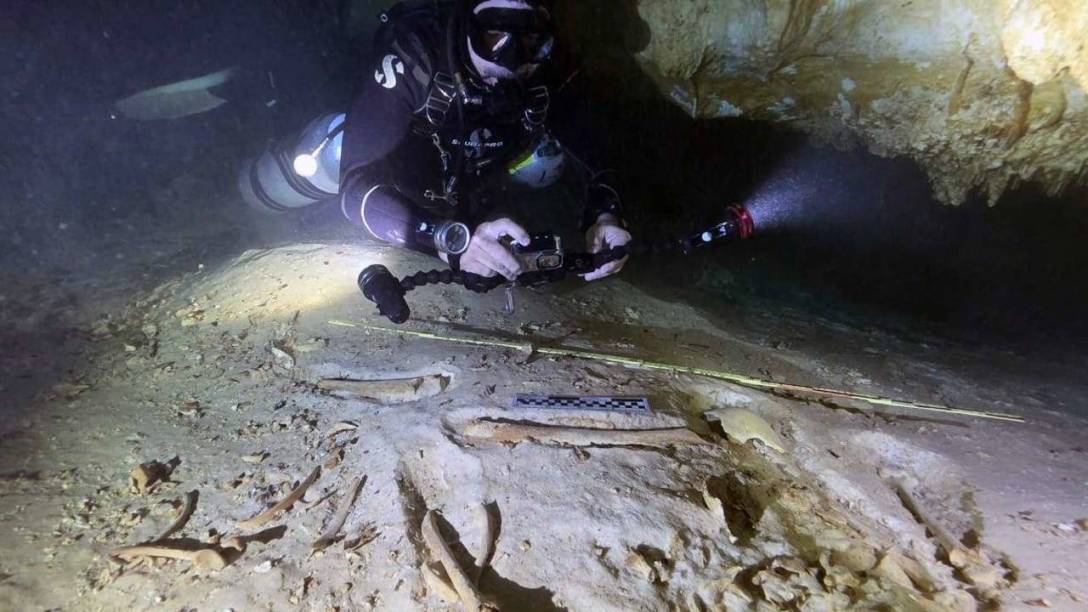
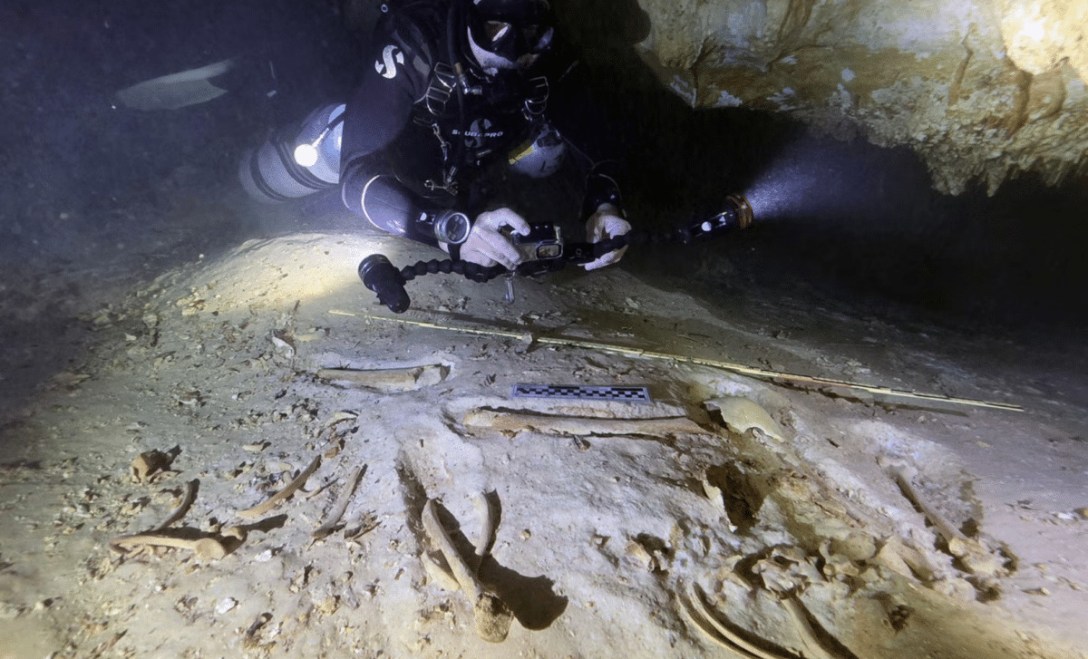
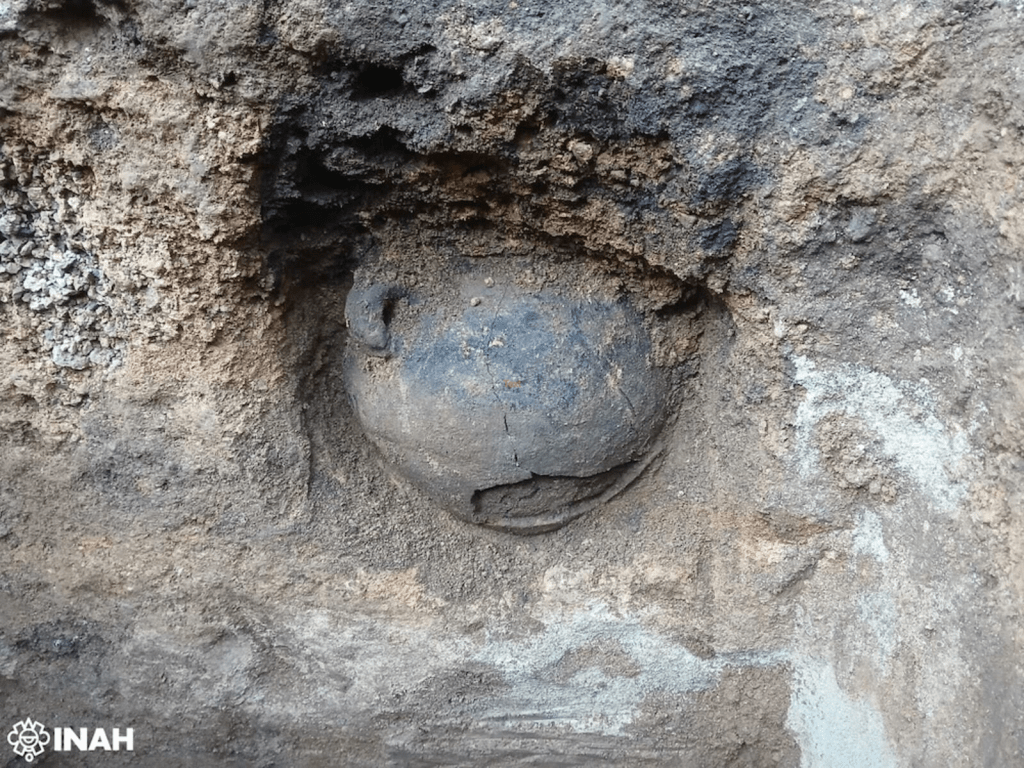
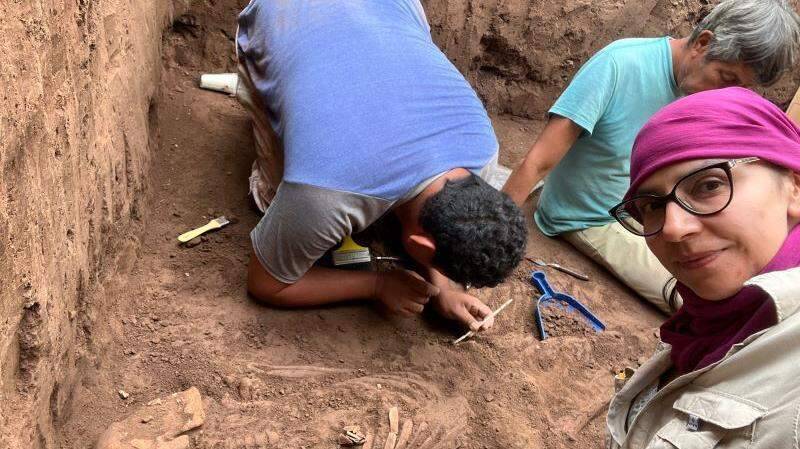
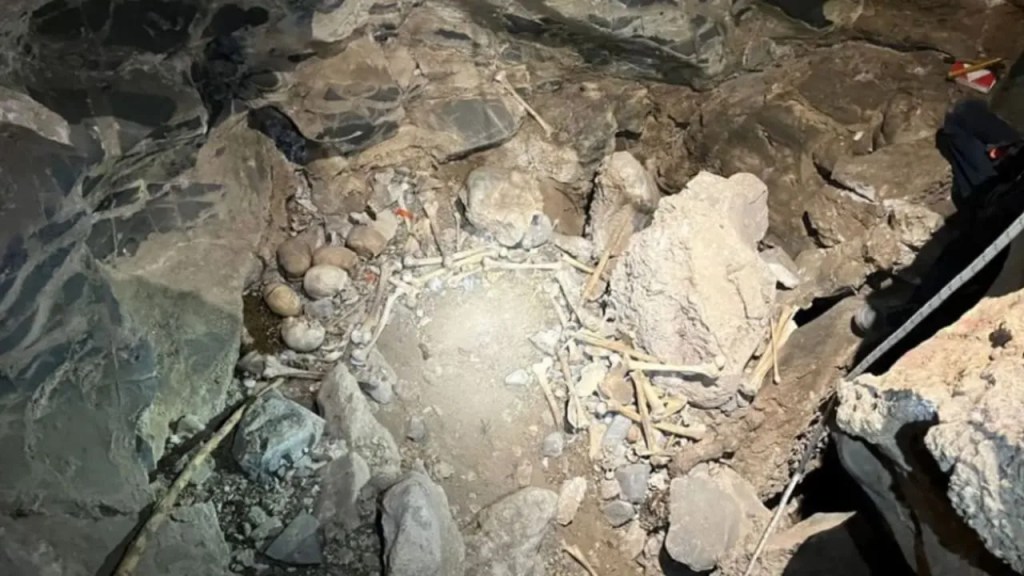
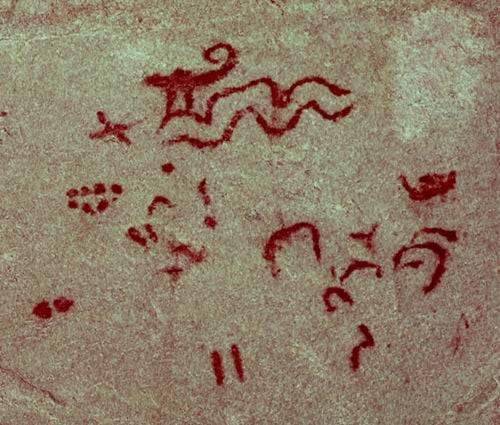
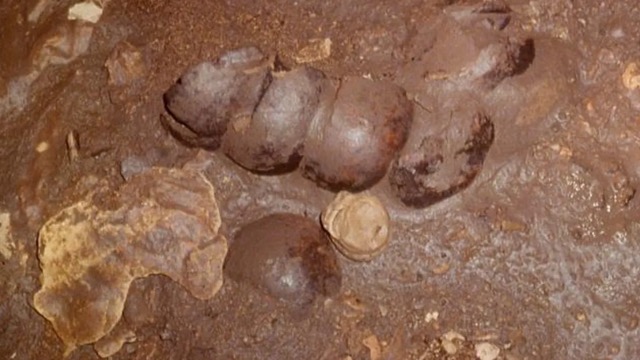
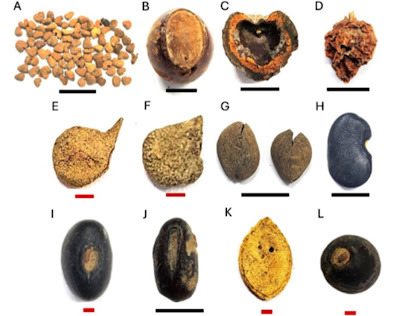
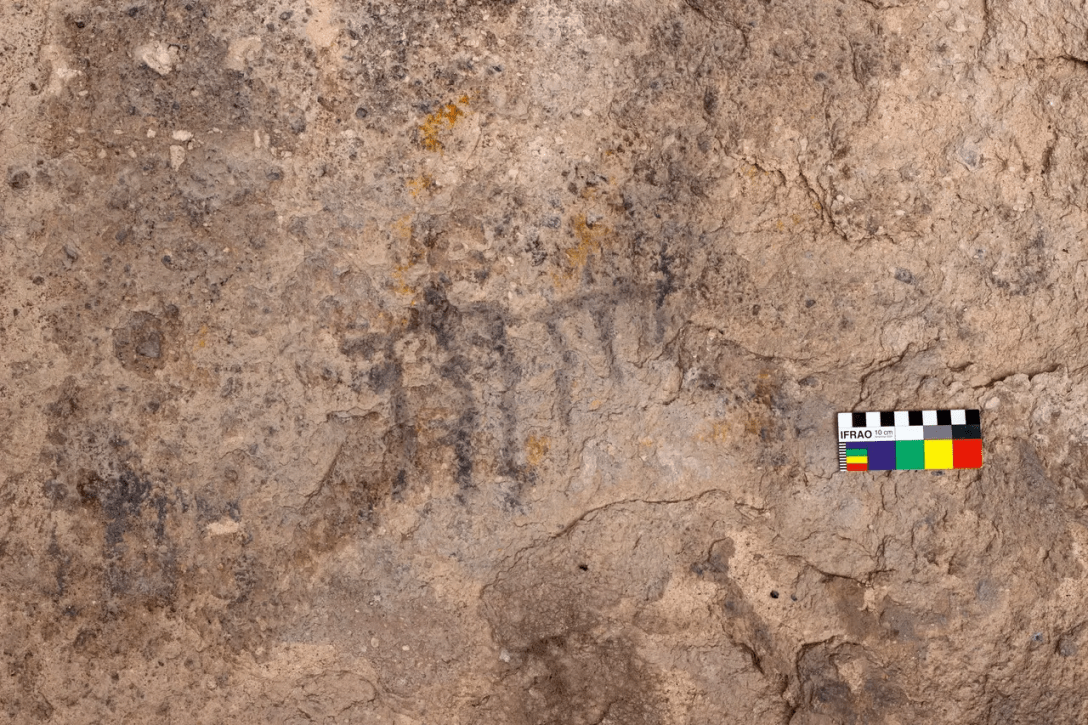
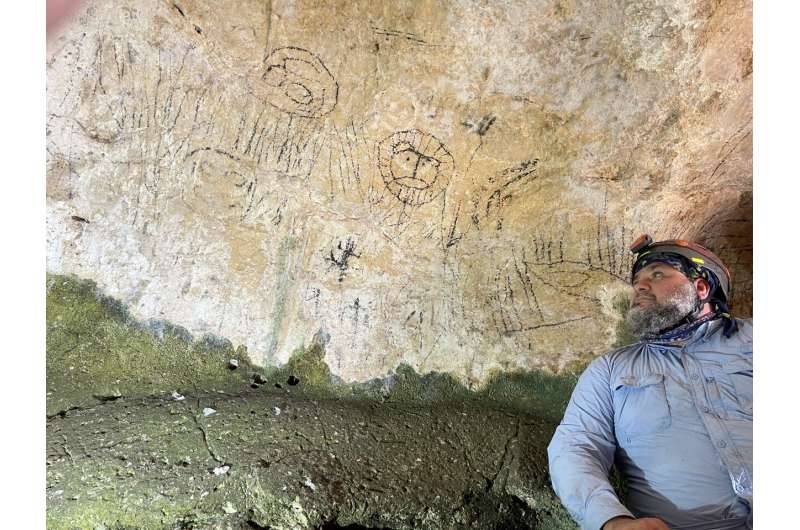
Archaeologists have unearthed 9.000 year old remains beneath a layer of sediment. Cave paintings, charred birds and turtles, pollen from wild plants; yucca, chile, guava, pumpkin seeds, agave leaves
The Cholula Pyramid is dedicated to the major god of the Aztecs, Quetzalcoatl
INAH is doing restoration work at the pyramid and have found an adobe core on the east side that dates to Late Classic. Broken ceramics there were braziers indicating sustained use of fire at the pyramid. A cylindrical sculpture in white stone representing Tlaloc, the god of rain, storms and fertility has been uncovered.
INAH is studying the underground level and 24 tunnels under the pyramid.
Archeologists in the Mexican state of Tamaulipas at the Huastec state of El Naranjo have uncovered four earthen mounds. The new area was used for burials and daily activities. They have found hearths, ceramics, projectile points, and grinding stones.
Mound 4, revealed multiple burials of adults adorned with earrings made of green quartz and shells, some carved in the shape of flowers. At the larger Mound 1, researchers identified several other burials, and a grave one adult within a limestone structure.
The mounds were made of alternating layers of earth, limestone and basalt. The area was uncovered as a result of new highway construction in the area, and research will continue.
Archaeologists have unearthed 9.000 year old remains beneath a layer of sediment. Cave paintings, charred birds and turtles, pollen from wild plants; yucca, chile, guava, pumpkin seeds, agave leaves
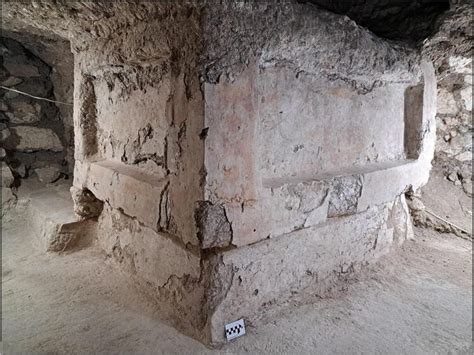
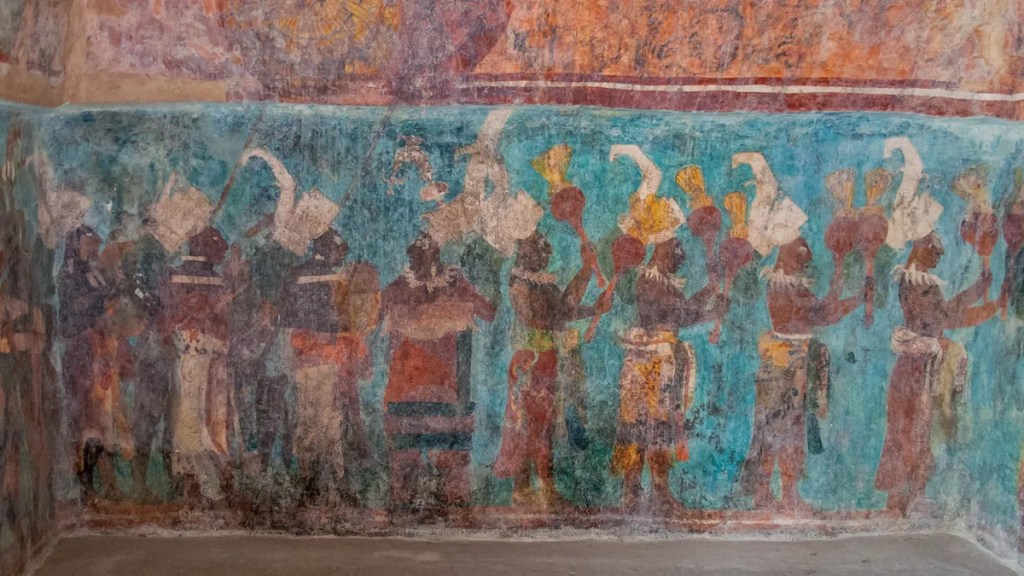
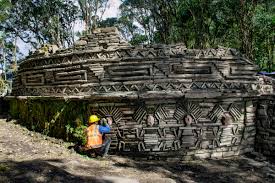
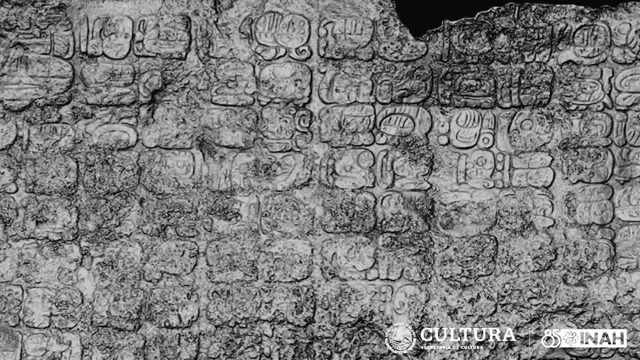
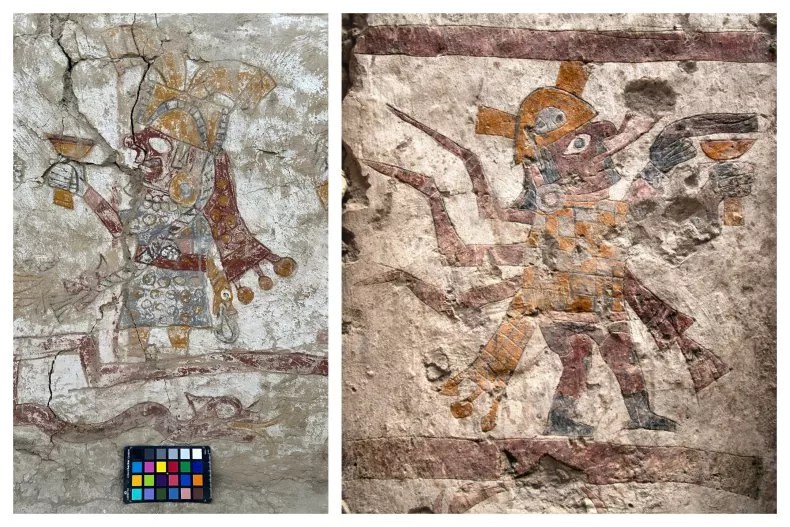
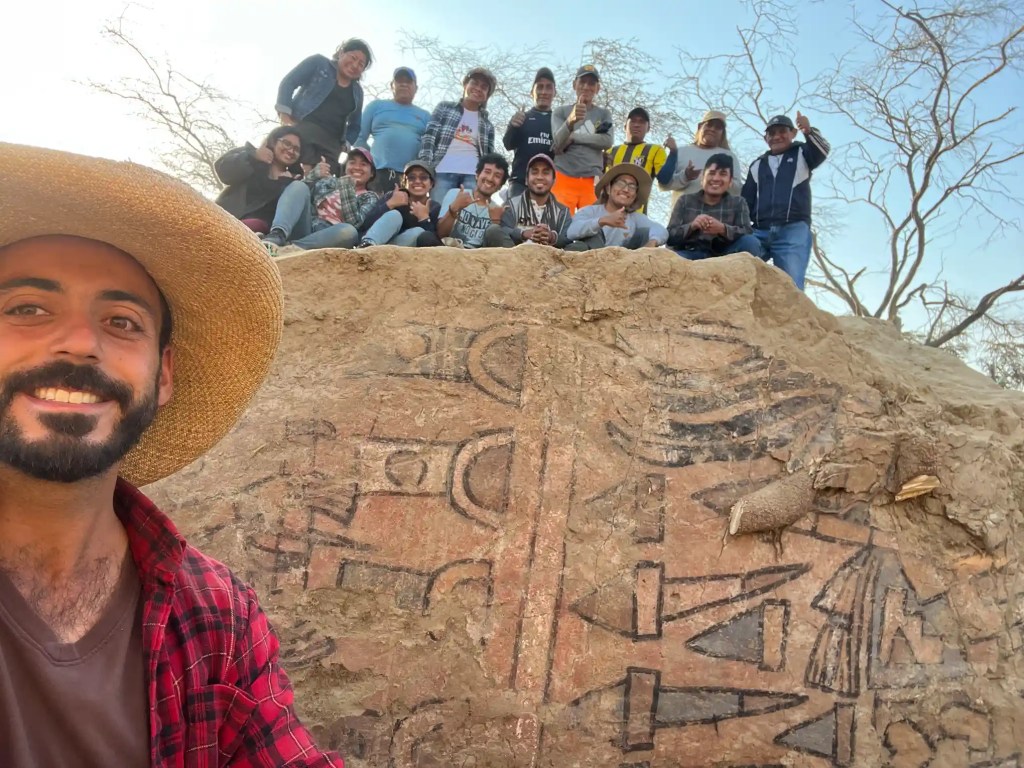
The murals show black lines, ornately dressed figures in red and yellow hues in San Pedro Nexicho, in southern Oaxaca. They are north-east of the great Zapotec capital of Monte Alba
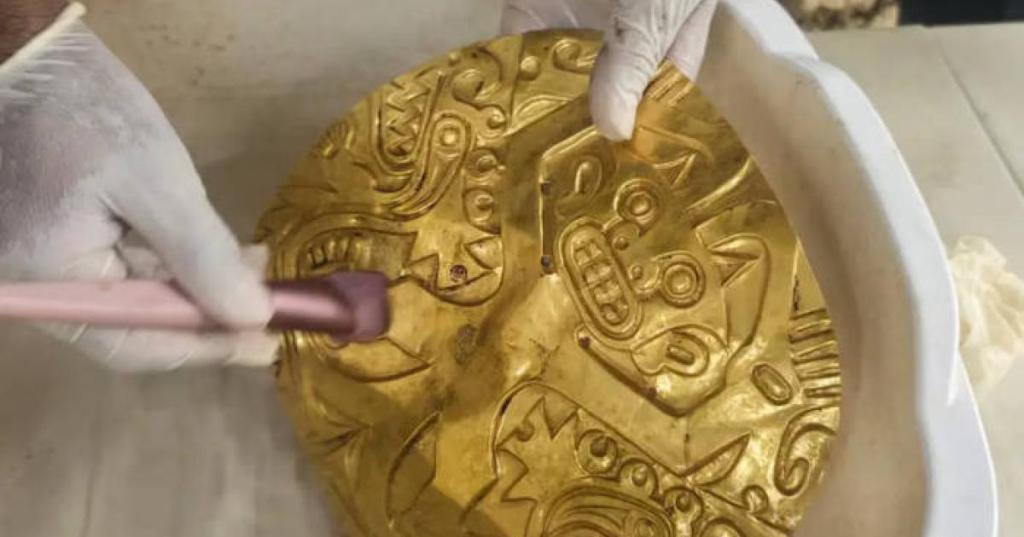
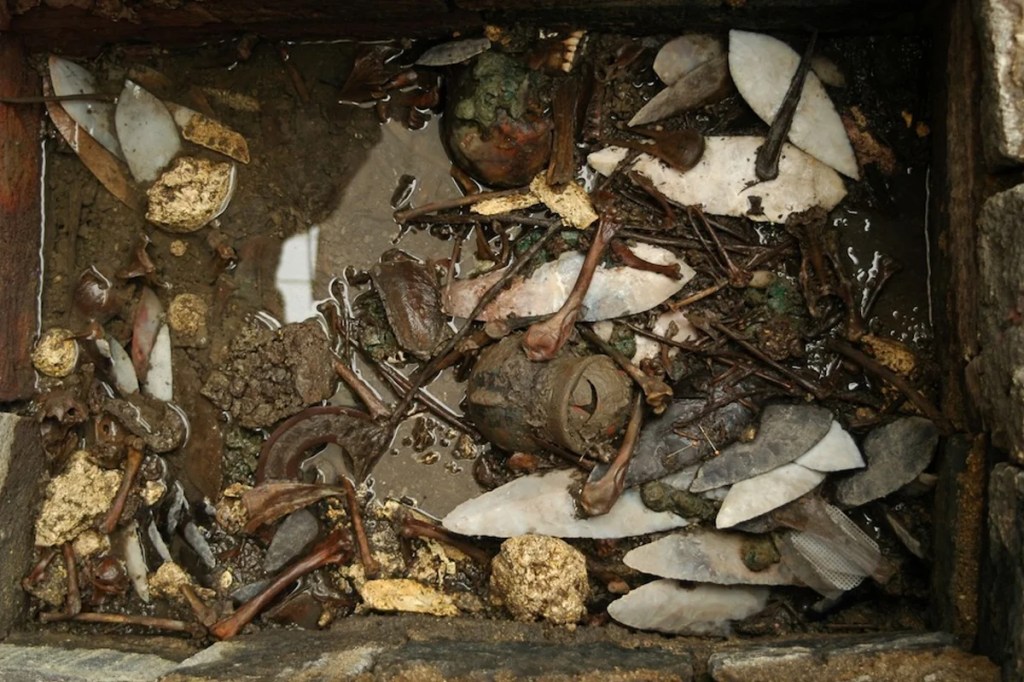
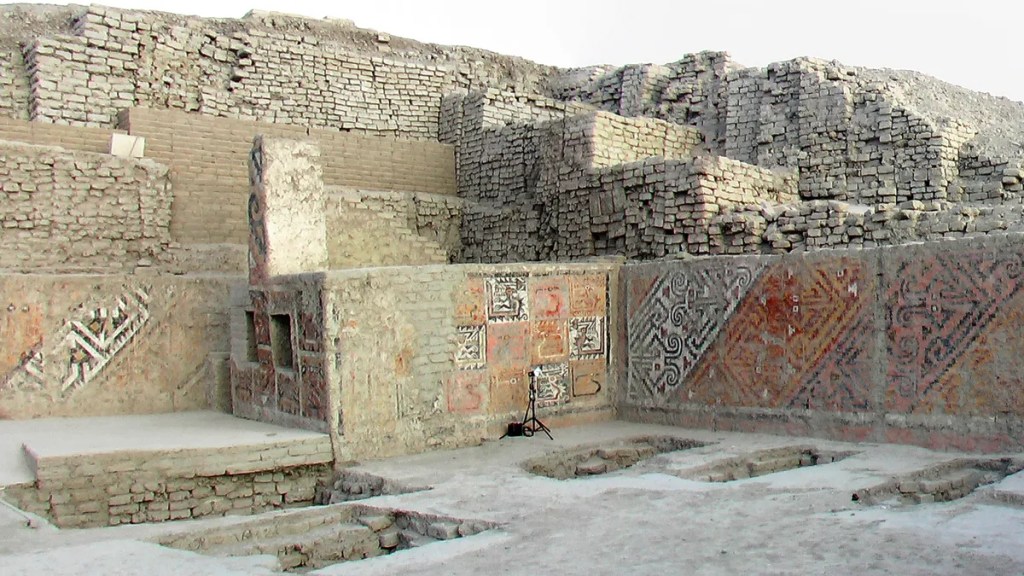
INAH says one mural represents a war procession and was painted in a codex style. The larges tomb was looted long ago but a golden bead, ceramic pieces, shells and green stones have been found at the site. Two tombs were found intact, and human remains there will be studied. In one tomb, 240 objects were found with Zapotec writing on stucco among them.
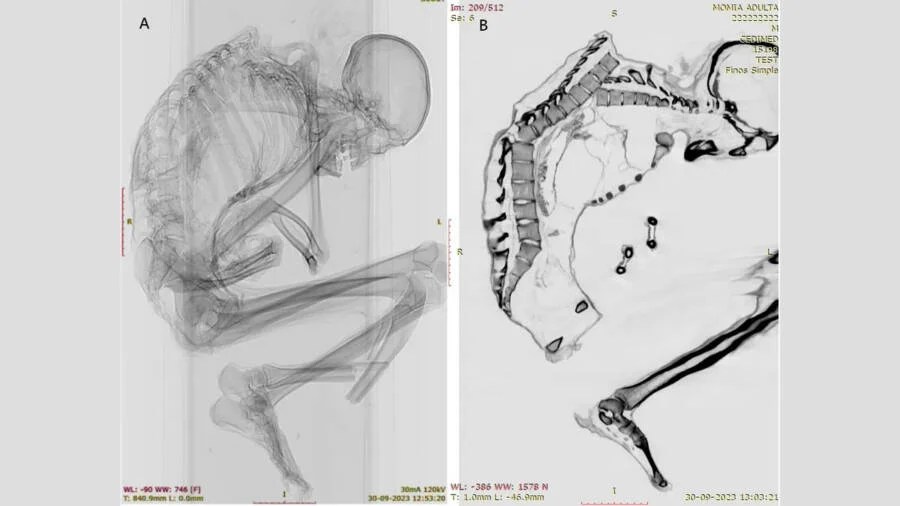
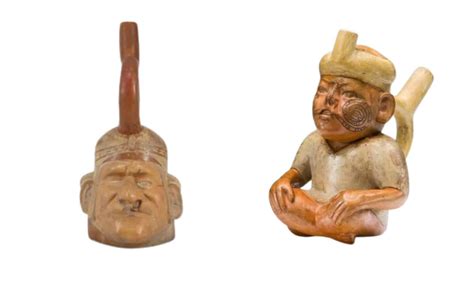
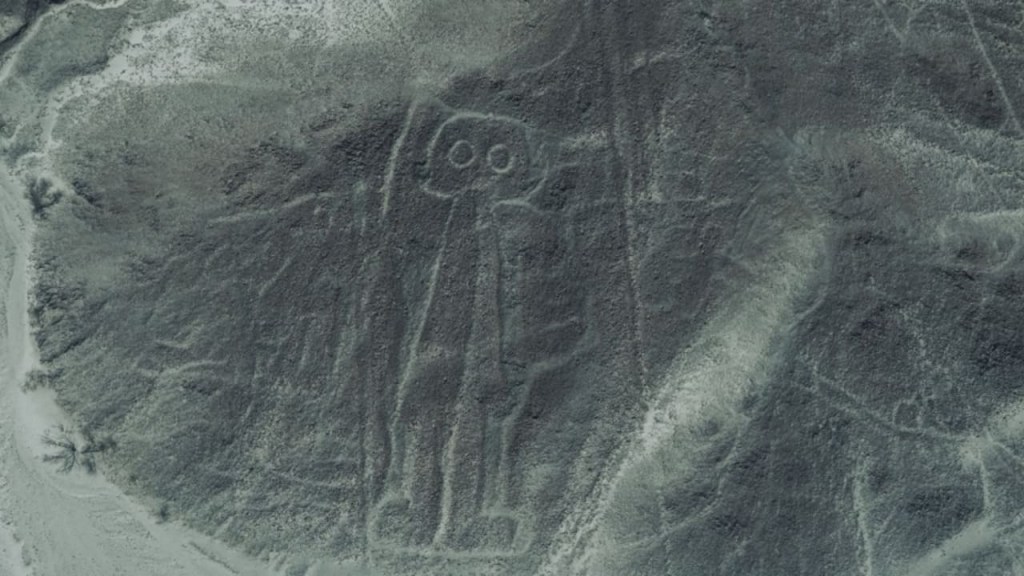
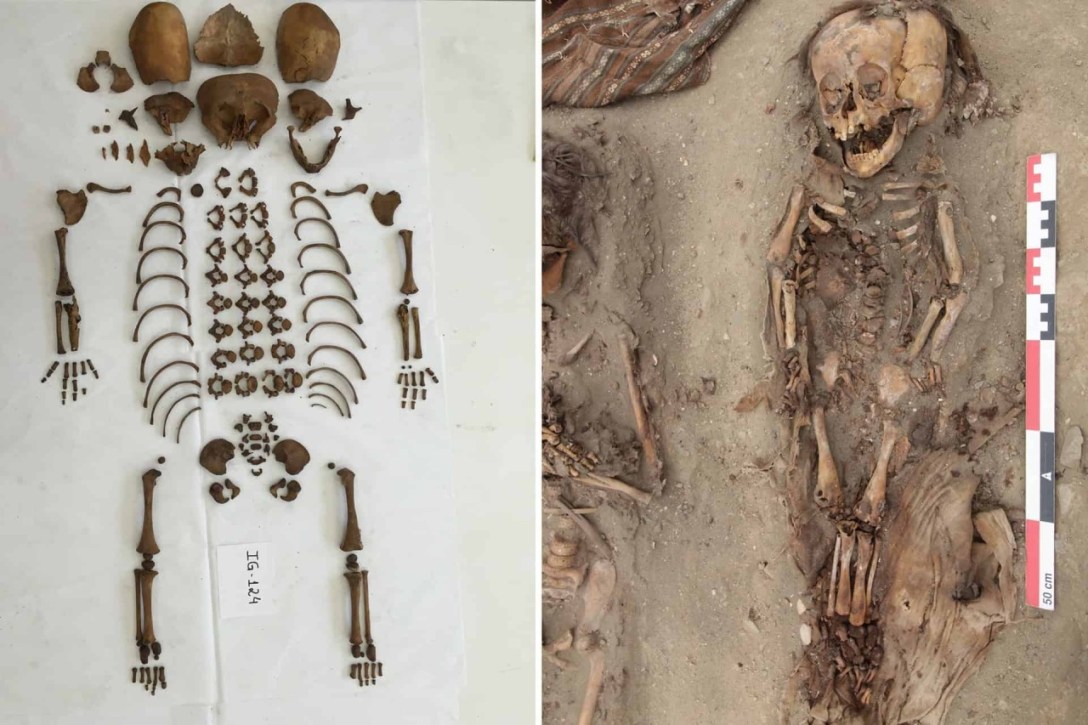
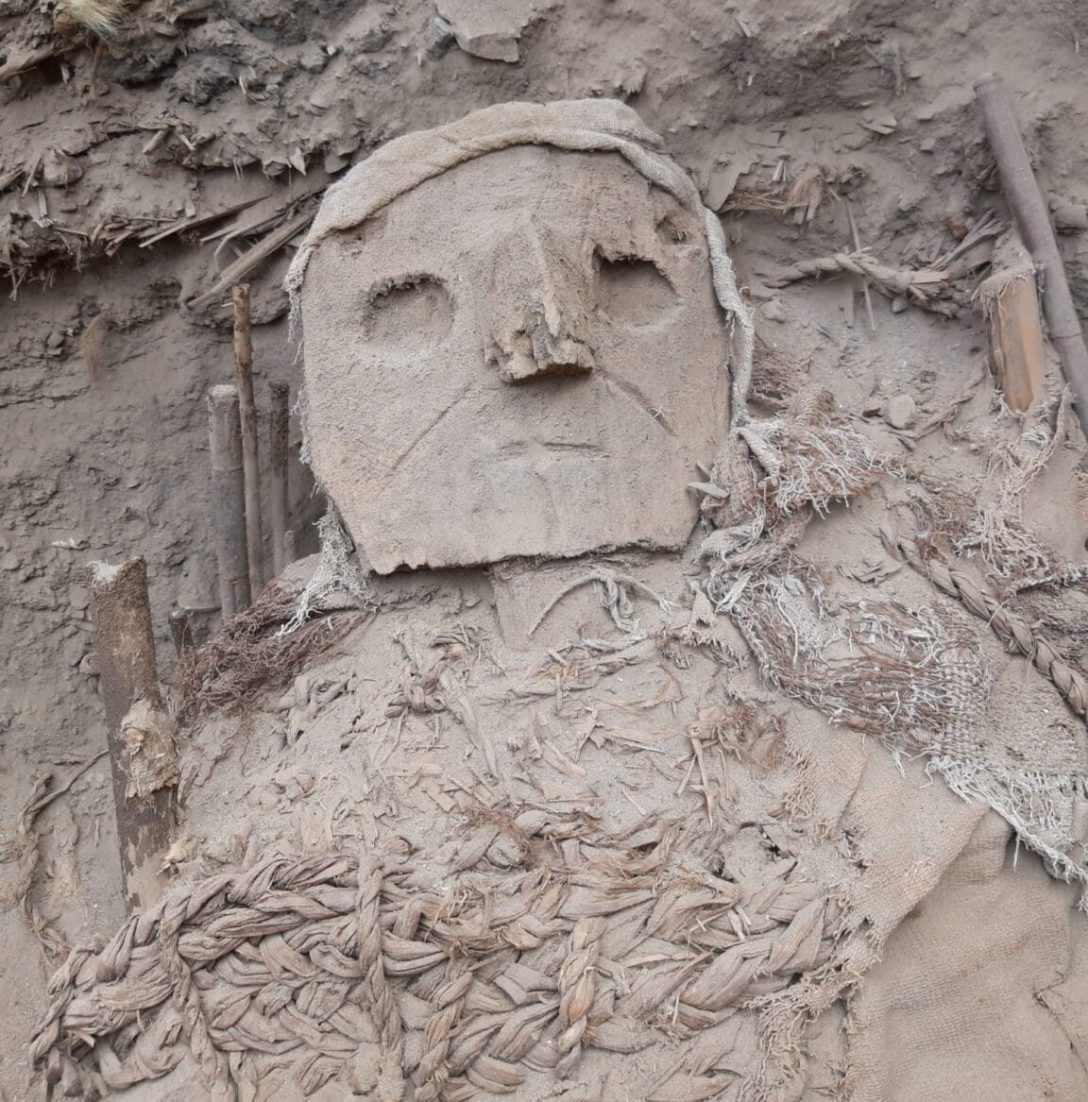
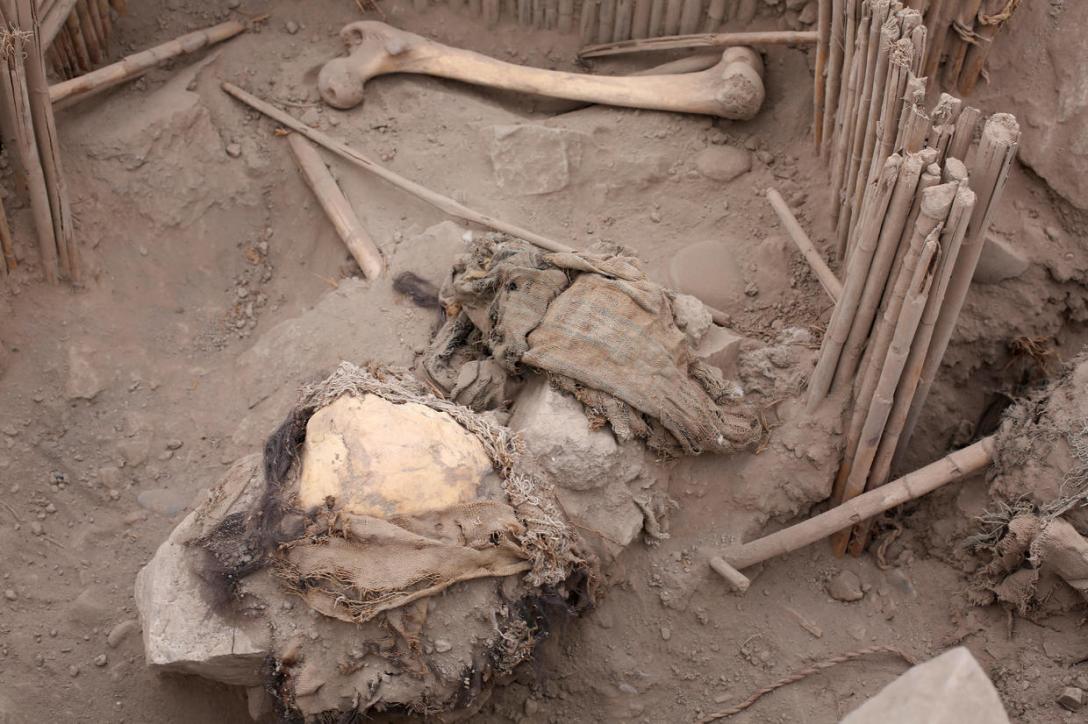
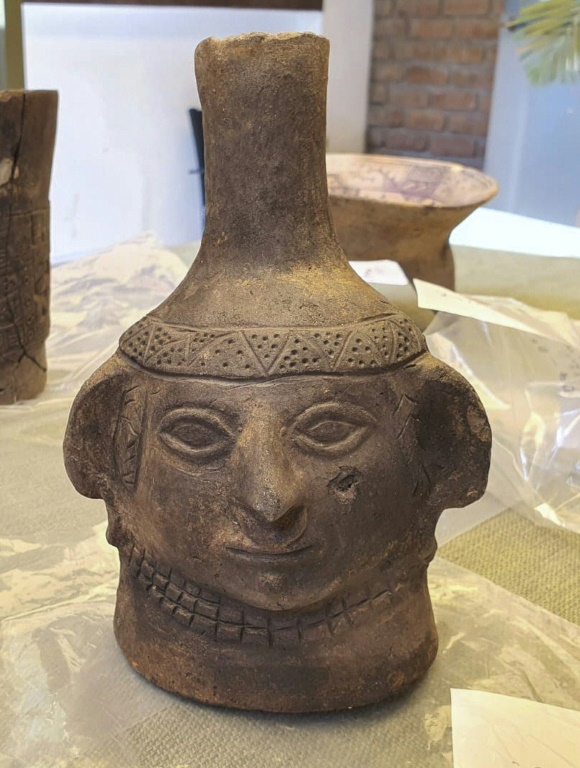
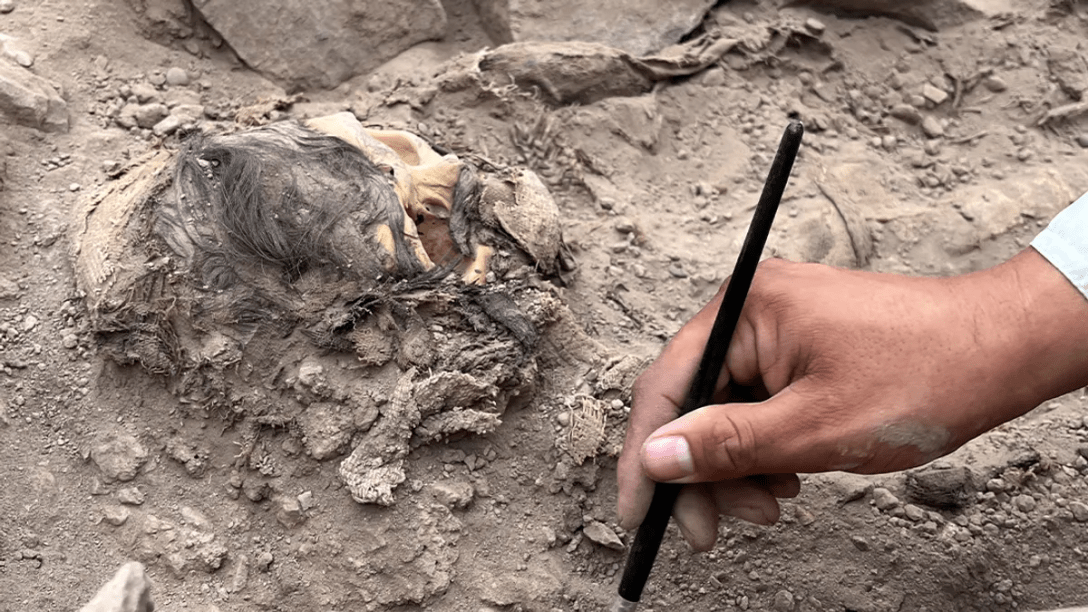
Researchers in Peru haver analyzed the remains of 22 individuals from the early Nazca culture (100 BCE-400 CE)at 3 Nazca sites. 4 of them were trophy heads, a child, an adult female and two male adults. They found a high level of mescaline from the San Pedro cactus in the sacrificed individuals and in the child’s hair. This cactus is known in the Quechua language as Huachuma, meaning “removing the head.” And the child and the other three had their heads removed after sacrifice. The female adult had also been chewing coca leaves. The male heads were free of drugs since they were males capture in combat.
More recent Inca civilization gave ayahuasca to child sacrifice victims as an anti-depressant while they awaited their fate. However, as the study authors note, “this is the first proof that some of the victims transformed into trophy heads were given stimulants prior to their death.” The same study also found evidence of ayahuasca use among other mummified individuals from the Early Nazca Period – which ran from 100 BCE to 450 CE – and therefore provides the earliest archaeological evidence for the consumption of these two psychedelic plants. Ayahuasca was found in the hair of two other individuals among the remaining 18. One had so much in his hair that it suggests he was a shaman. Coca was found in five others. This is the earliest evidence of the use of Ayahuasca and San Pedro ever found, and confirms the use of Coca leaves in the early Nazca culture.
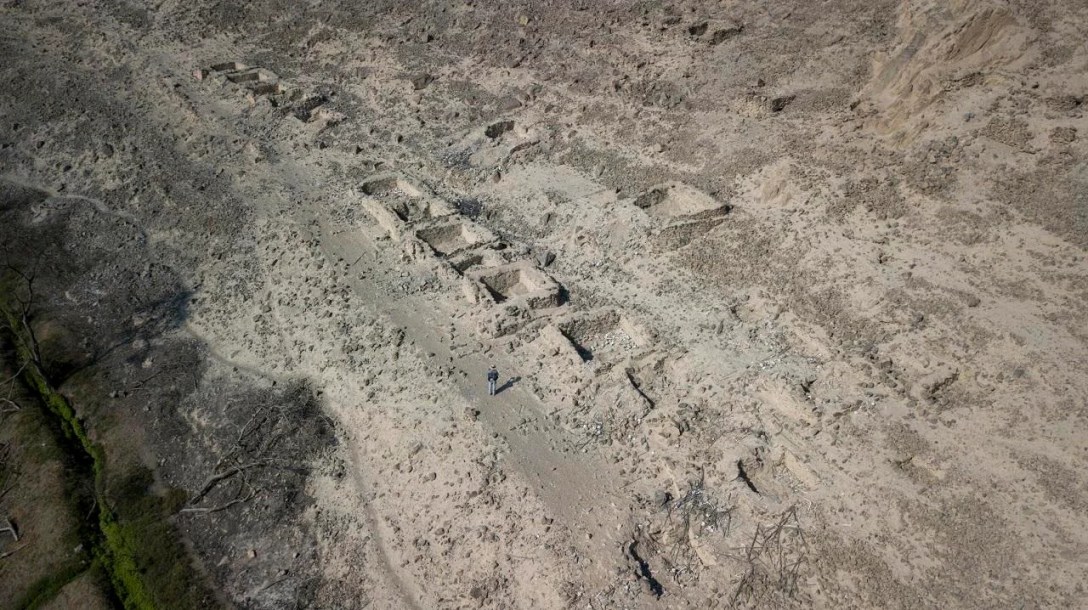
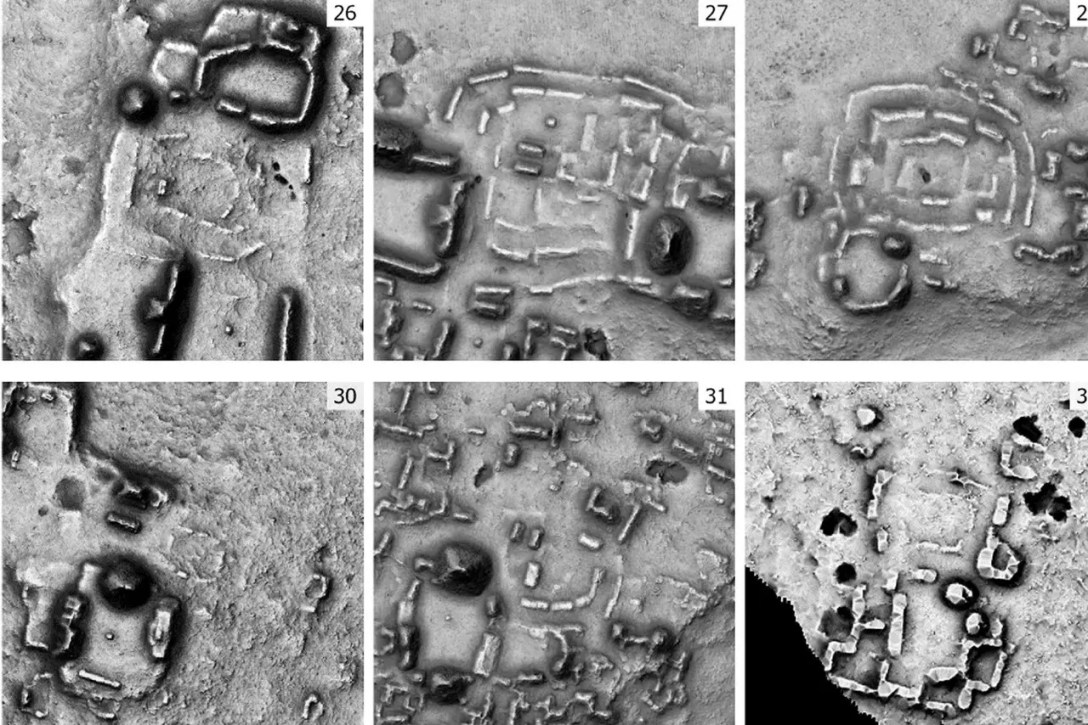
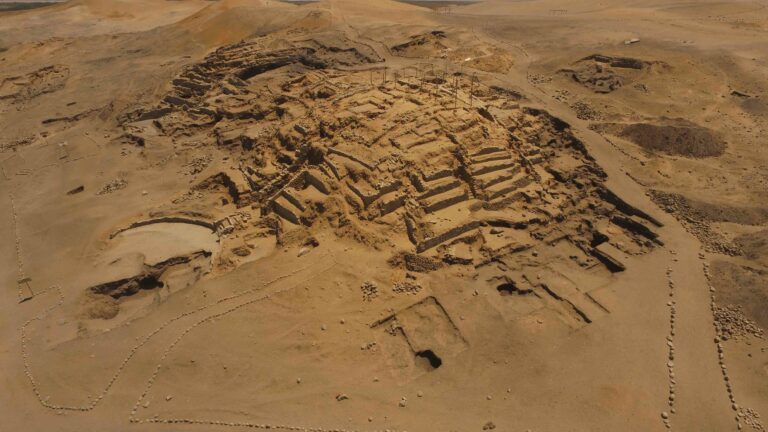
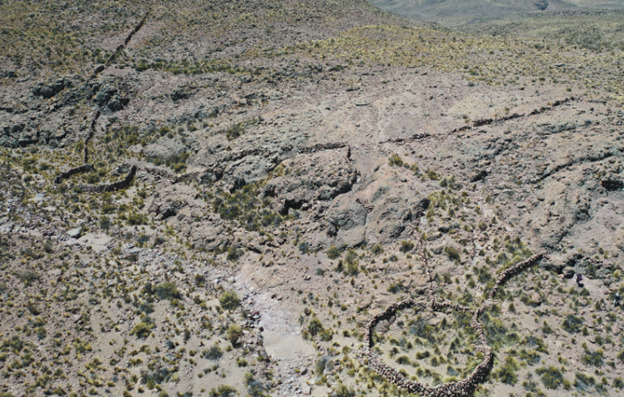
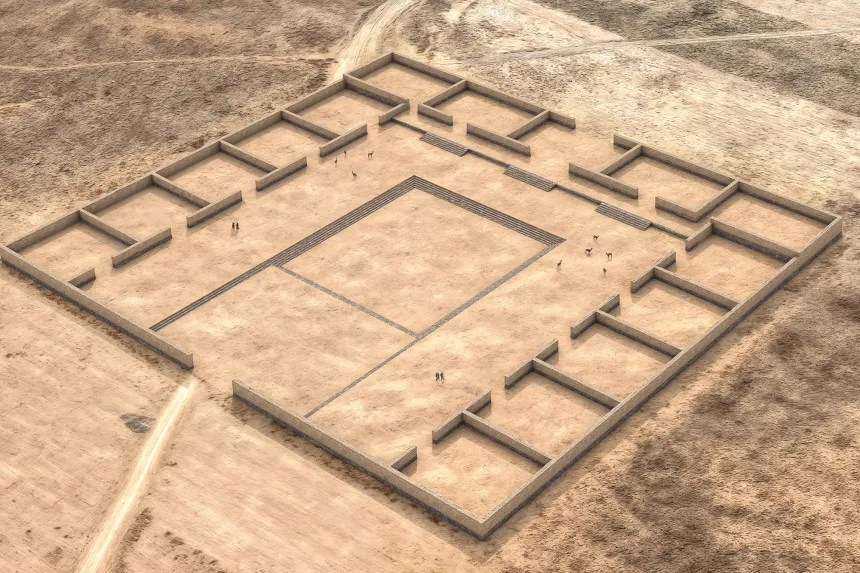
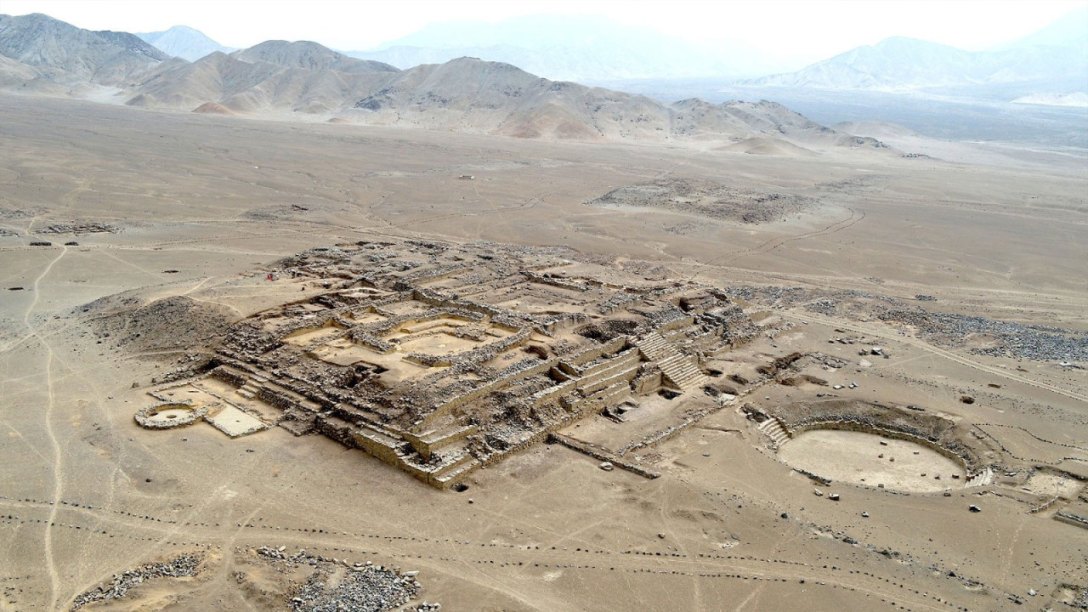
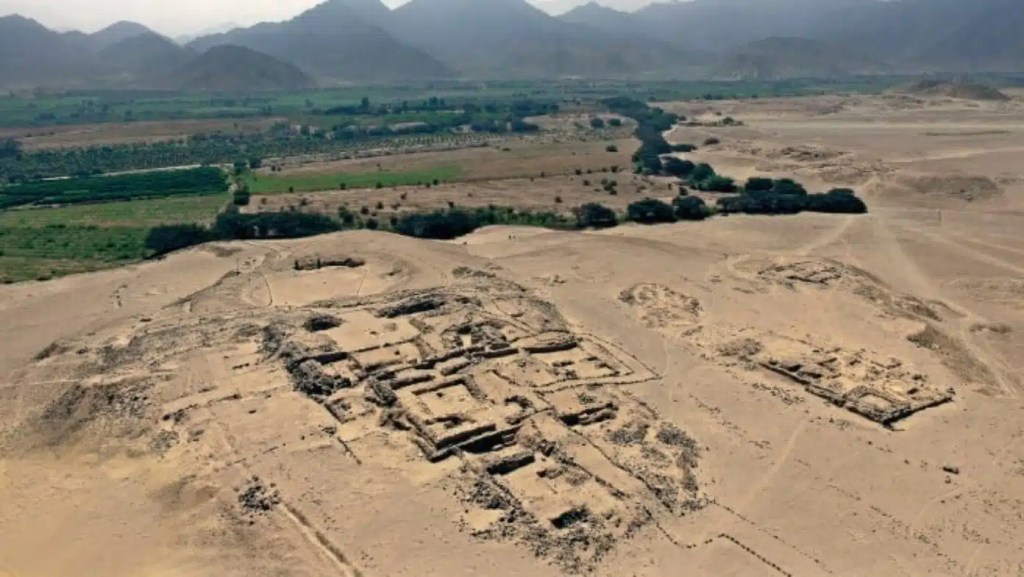
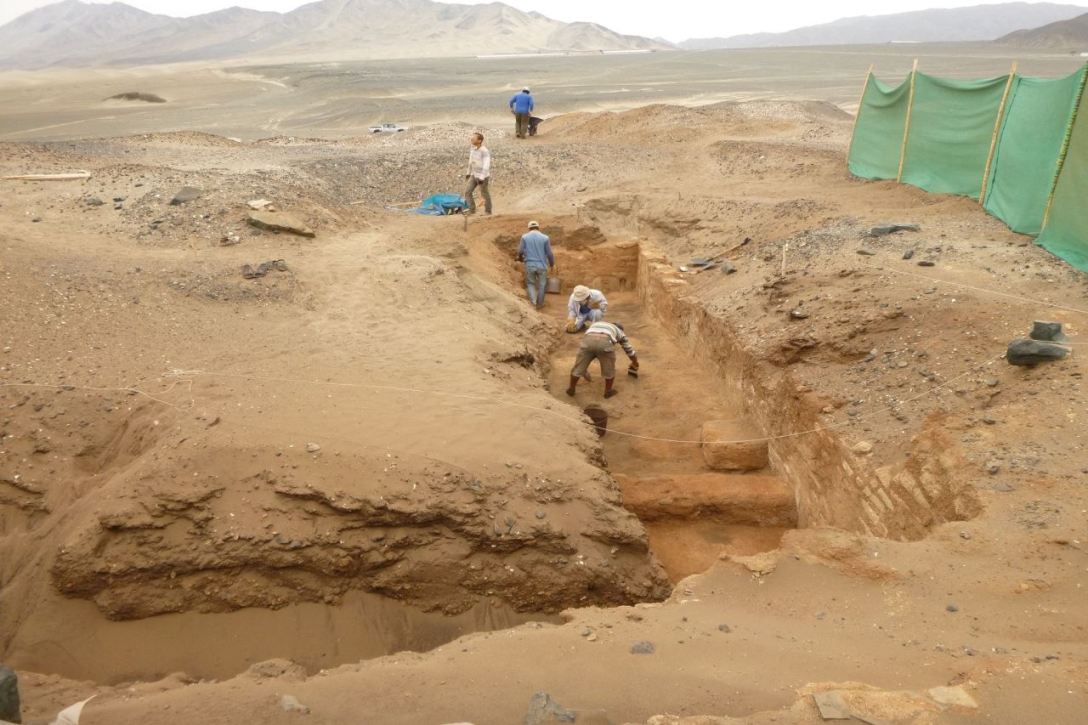
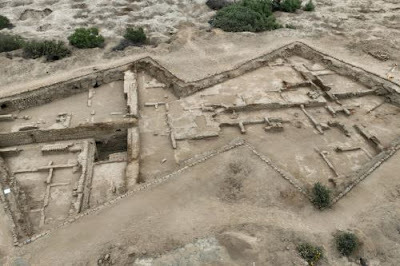
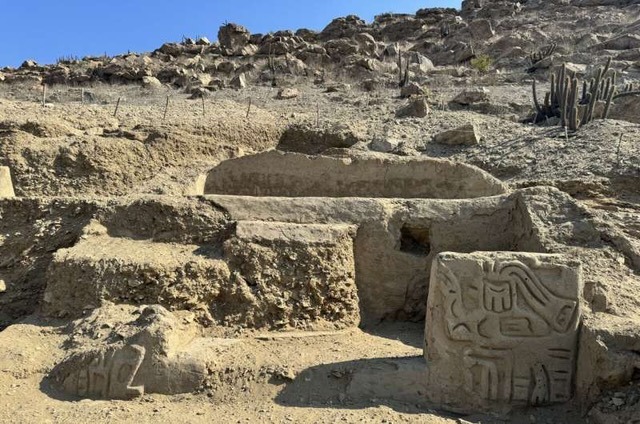
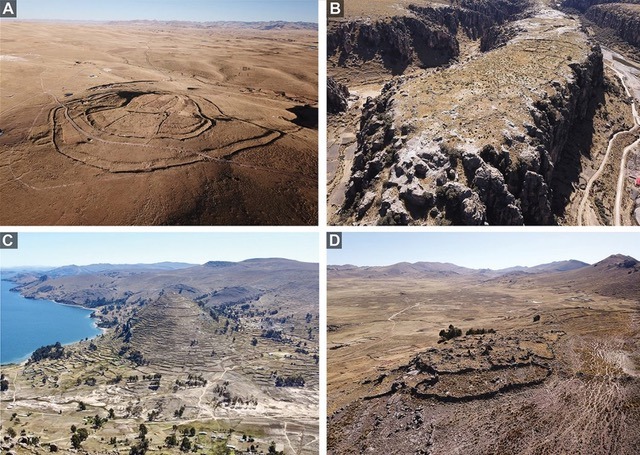
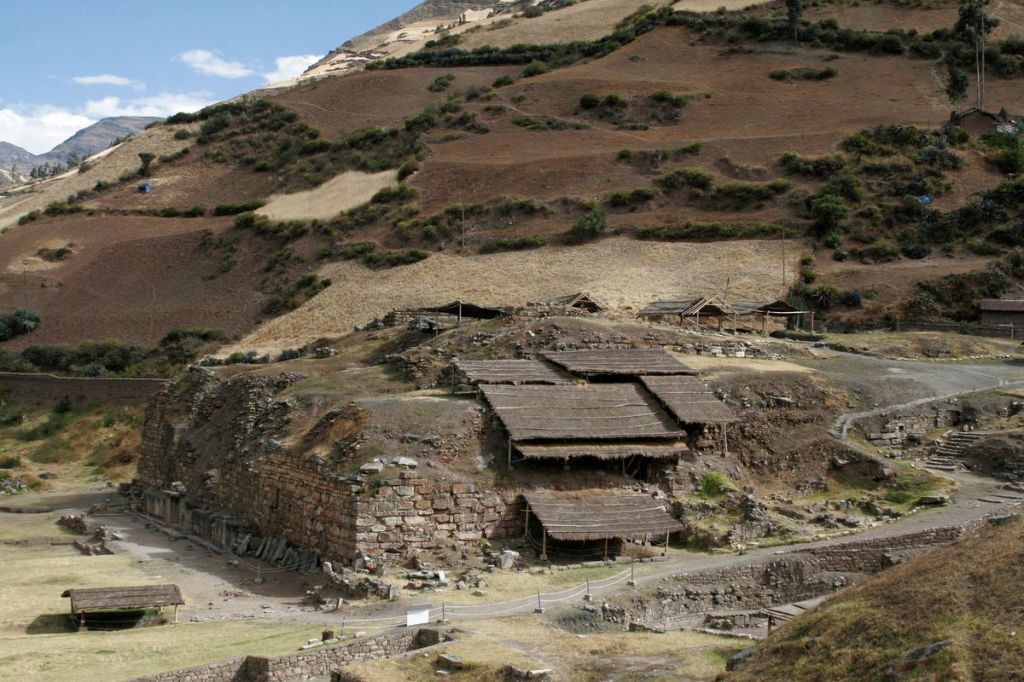
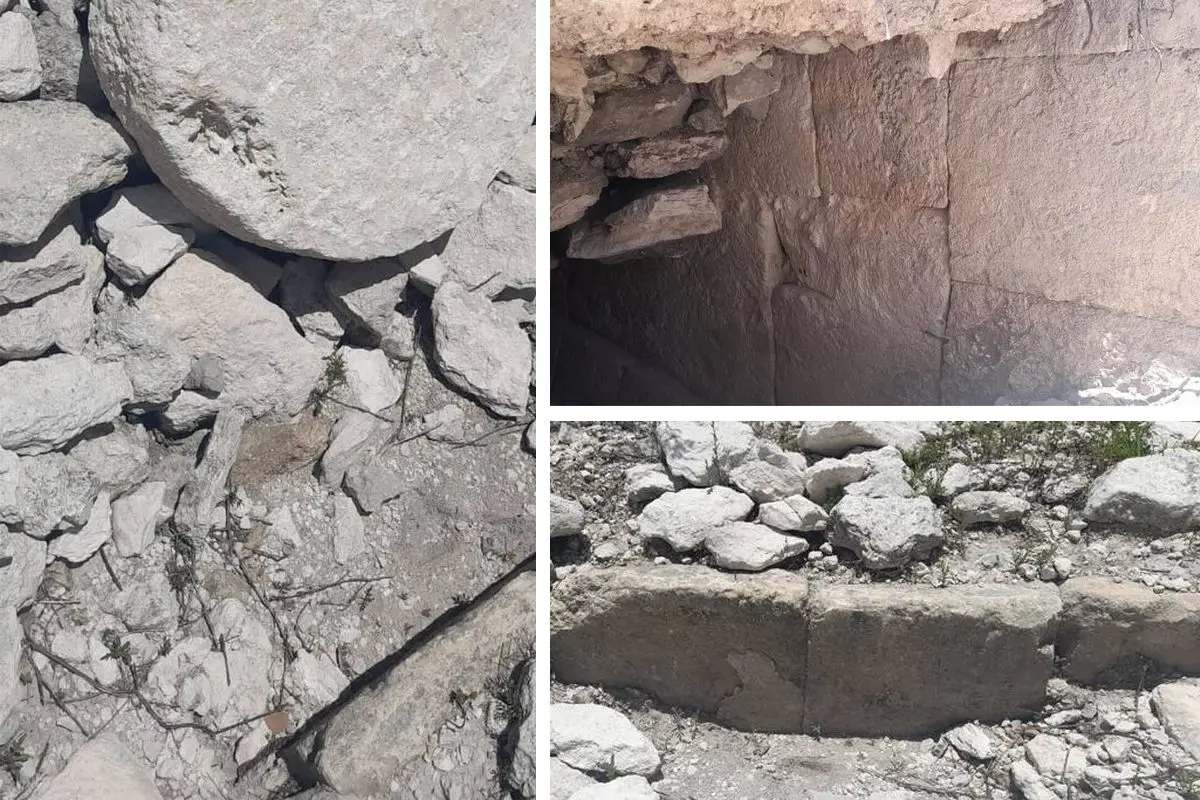
The complex has a D-shape temple on a large, monumental platform next to housing structures for officials and people linked to the Wari empire. It was strategically chosen, being between the Andean highlands and coastal valleys of Arequipa and along a prehistoric transit route with ecological and political advantages.
The pre-Inca Wari culture spanned from the 6th-10th centuries.
“Open plaza spaces like this would have allowed local communities to participate in ritual gatherings organized by the Wari,” University of Illinois Chicago postdoctoral researcher David Reid said in a statement.
Reid, who also led the study, said these ritual events “would have been critical in maintaining political authority across great distances of the Wari Empire.”
The Wari built other D-shape Wari temples that have recently been found across Peru, providing greater clarity on how the empire expanded and influenced life across the country.
The research was published in the Journal of Anthropological Archaeology. News of the discovery was first reported by the Art Newspaper.
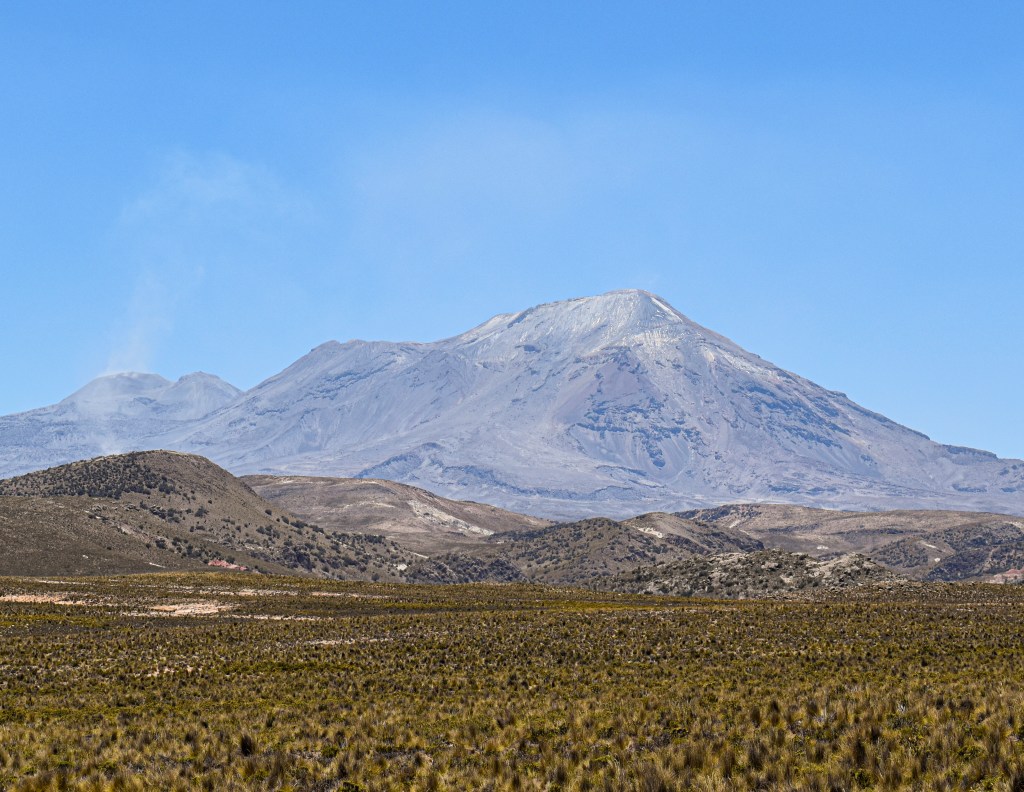
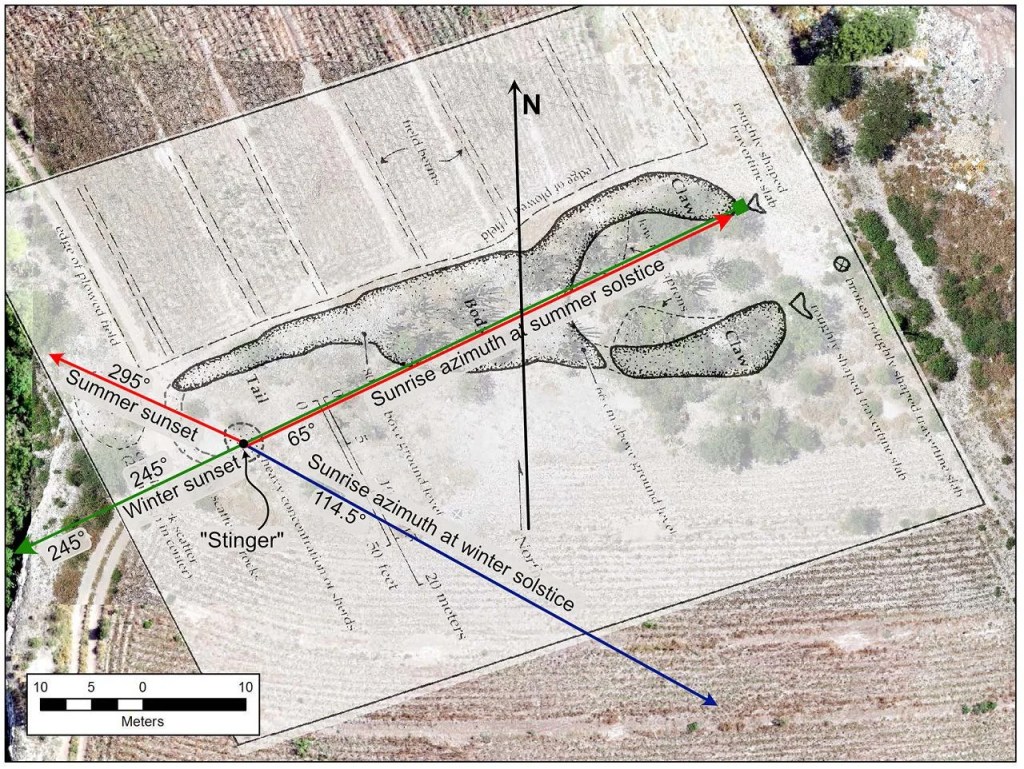
Researchers have discovered that a straight stone causeway on Mount Tlaloc, an extinct volcano, aligns with the rising sun on February 23/24. Mount Tlaloc is in the State of Mexico, where a shrine complex was built by the Mexica people. It was associated by the Aztecs with the rain god Tlaloc. And was seen as the heavenly home of Tlaloc, Tlalocan. Great rituals, offerings and human sacrifices were offered to Tlaloc at the beginning of the rainy season.
If an observer stands in the lower part of the causeway looking upwards on February 23/24, they will see the sun riding exactly in the middle of the path. The Aztec date of the New Year is February 23. They used this date to keep their agricultural calendar in line with the solar year.
The research is published in the Proceedings of the National Academies of Sciences (PNAS)
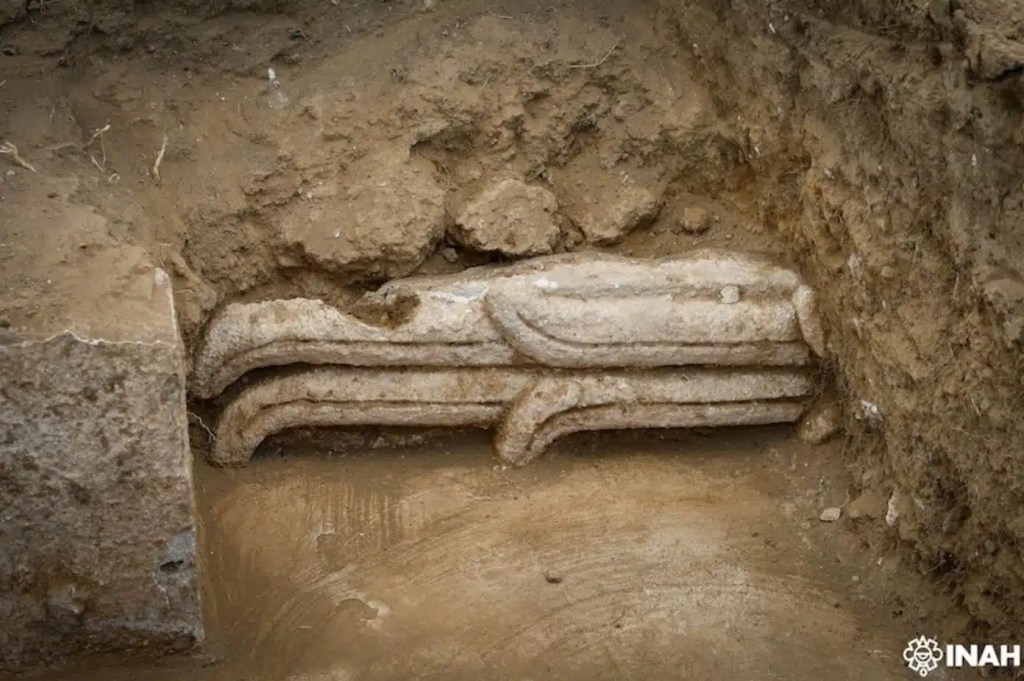
A statue of the Aztec deity Xipe Totec (the Flayed God), excavated in the Moyotlan quadrant of the Aztec capital of Tenochtitlan, will go on display at the Templo Mayor museum in Mexico City. Xipe Totec was the patron god of that Aztec quadrant. It is 27 inches high, carved from andesite. It is missing its shield. He wears a shirt of flayed skin from a sacrificed victim. It was discovered last year during excavations on Las Delicisas street in downtown Mexico City. It was buried under adobe fill, hidden from Spanish invaders.
The restored sculpture is now on display in the lobby of the museum where it will remain until April 2nd.
The remains of three people who died in Kamchatka, Siberia show they had North American genes. So people traveled back and forth across the Bering Sea region. Researchers studied genetic and linguistic evidence that showed folks in North America boated back to Siberia. This new DNA evidence bolsters the proof of this. The evidence from this new DNA study shows evidence of this return journey 5,000 years ago and 1,500 years ago.
However, critics point out that the genes identified as North American comes from a group that never left Siberia but shares ancestry with Native Americans.
Ancient Siberia is turning out to be a crossroads. Altai hunter-gatherers in Siberia are related to Bronze Age people from Central Asia. One who appears to have been a shaman in the burial remans had northeast Asian ancestry. And one has ancestry from the Jomon people in Japan.
Some researchers have been claiming that they found stone tools made by humans that were in use 50,000 years ago at the Pedra Furada site in Brazil. But new research shows that Capuchin monkeys widely made and used stone tools in this area at that time. The assemblage found at Pedra Furada does not show anything beyond crude stone tools that were probably made by the Capuchin monkeys.
The monkeys have their own rock quarries, where they selec rocks to use as hammers to crack nuts against a larger, flattened anvil rock. Rocks also come in handy for eating seeds and fruits—and the monkeys even lick the dust created from driving two rocks together, possibly as a way of adding minerals to their diets.
Stone tools assist capuchins with other tasks as well, such as digging. And the females throw rocks at potential mates as a way of demonstrating sexual interest.
All of these processes can lead to the stones breaking into smaller flaked pieces—which, the new study found, are indistinguishable from some ancient stone tools carved by early humans. The research is published in Sage Journals’ The Holocene
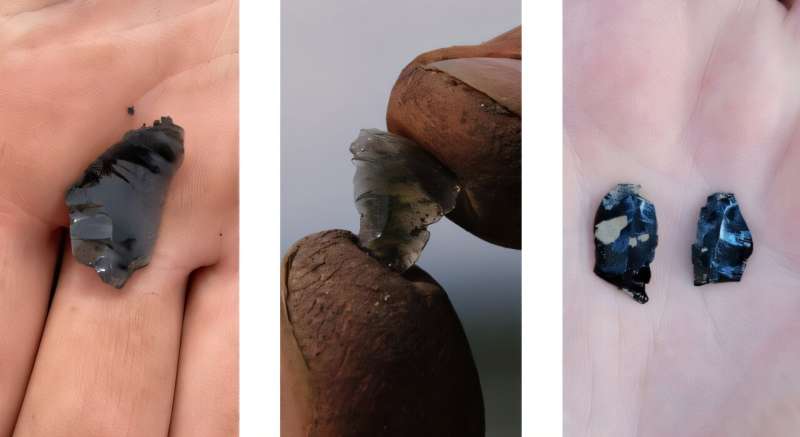
Research into the K’iche led region of Guatemala shows that trade in obsidian was manage by local people through independent trade networks. And it was based on availability and craftsmanship. So it appears this is a system based on a free market. Research was done on a geochemical and technological analysis on obsidian artifacts excavated from 50 sites around the K’iche’ capital. Where did raw material come from and what were the manufacturing techniques used.
In the capital area, centralized control and managed trade was in operation. Outside the core area in conquered areas, they obtained their own obsidian and developed obsidian markets.
The research is published in Latin American Antiquity