Author: mikeruggeri
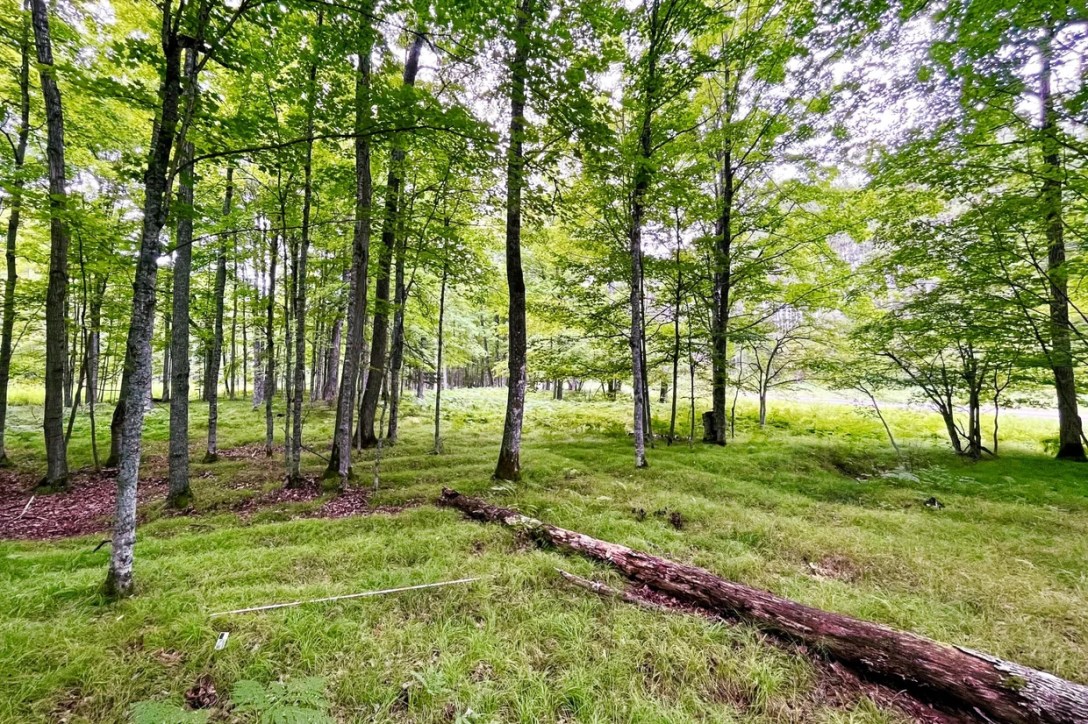
Massive Fields Where Native American Farmers Grew Corn, Beans and Squash 1,000 Years Ago Discovered in Michigan
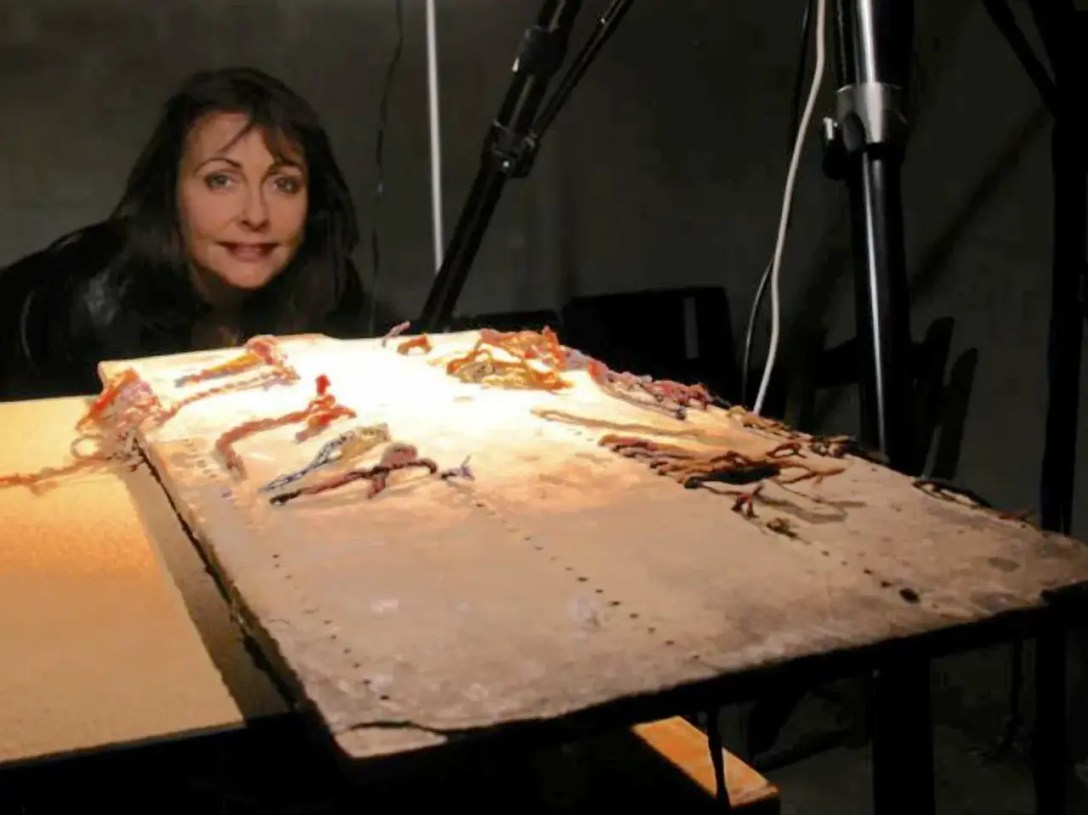
SCIENTISTS ARE DECODING A MYSTERIOUS FORM OF WRITING FROM THE ANCIENT INCA EMPIRE—HERE’S WHAT IT REVEALS
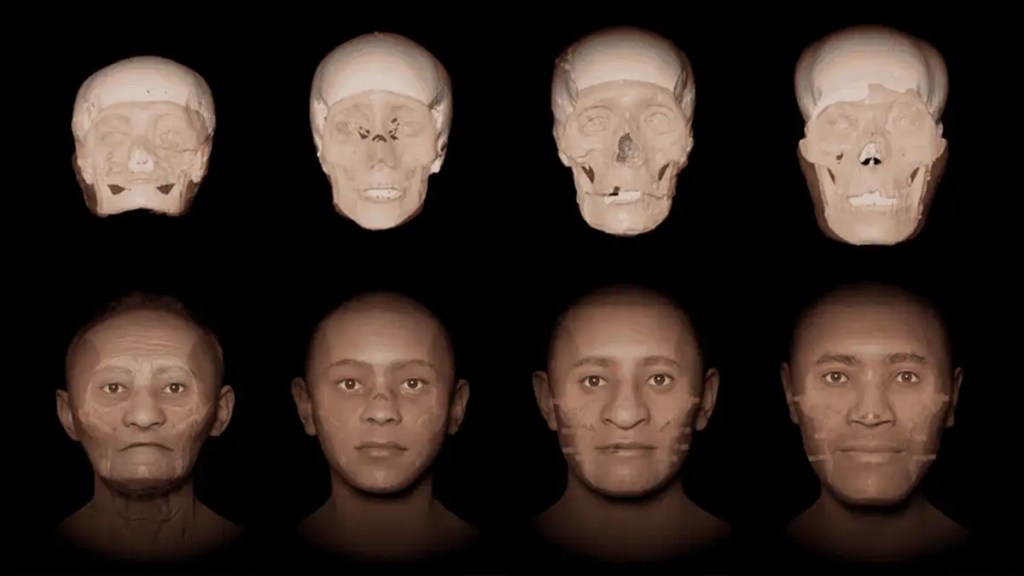
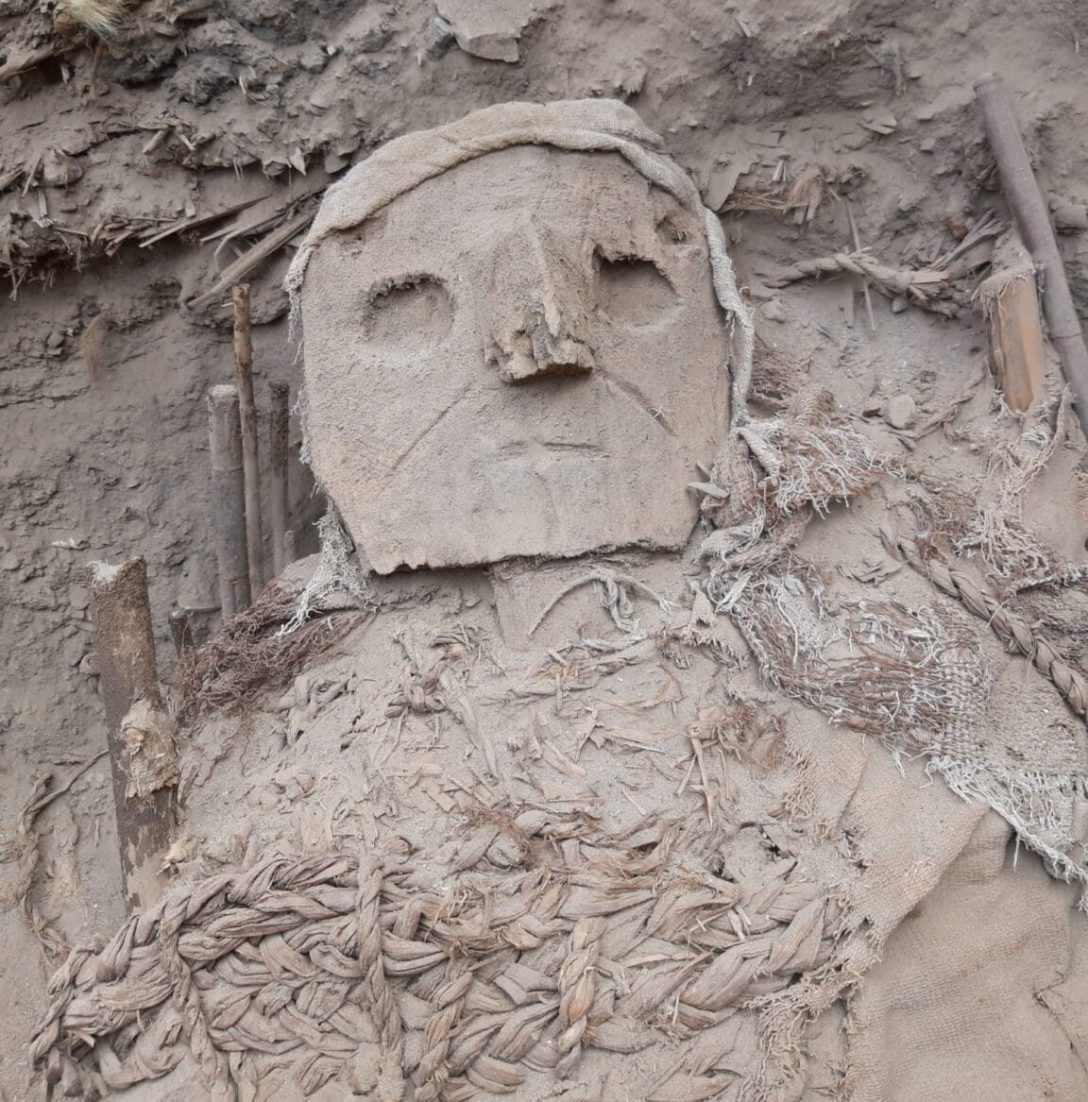
Rare face tattoos on 800-year-old mystery mummy baffle archaeologists
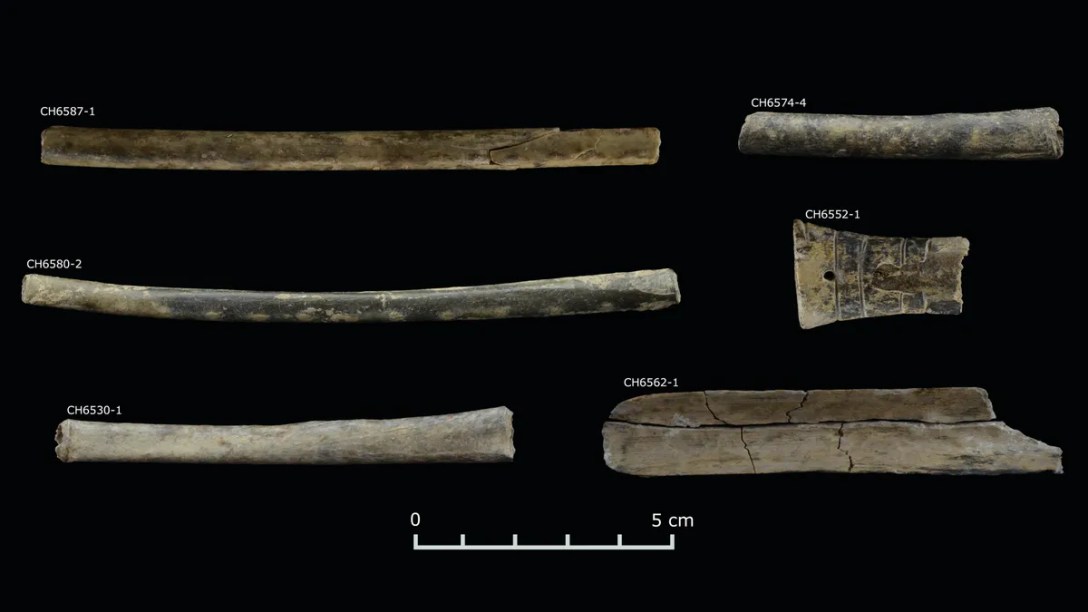
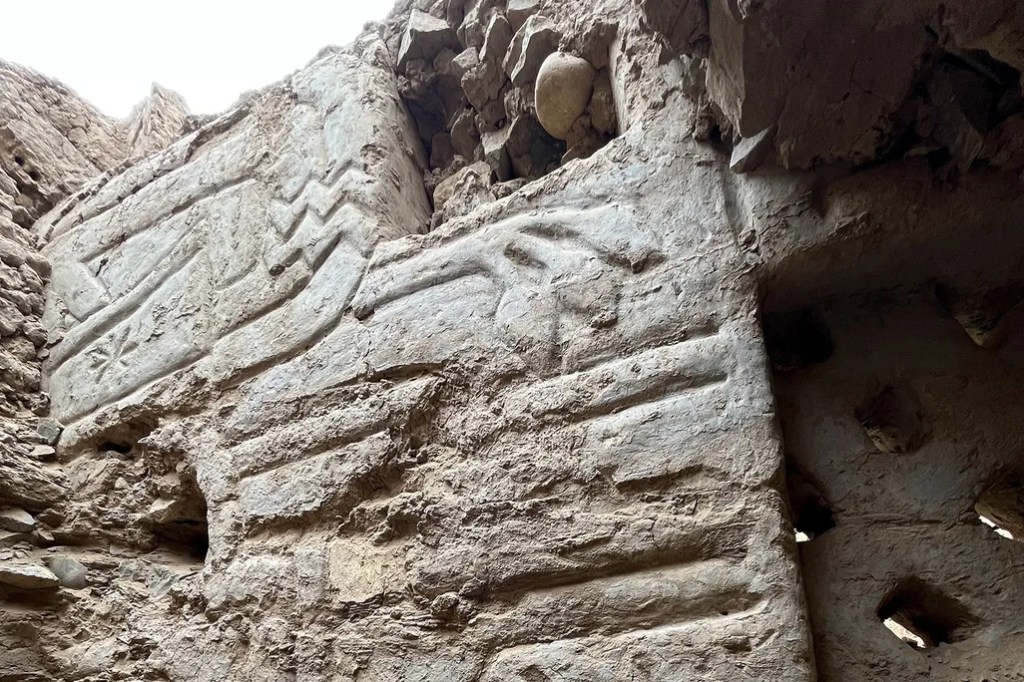
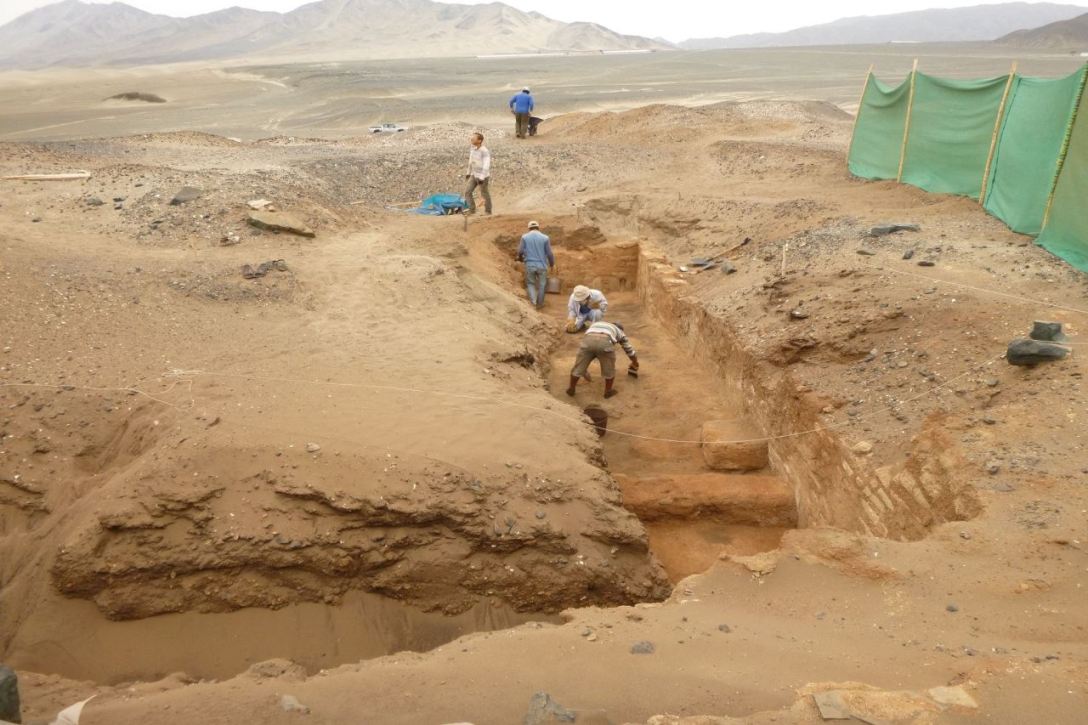
Secret ‘drug room’ full of psychedelic ‘snuff tubes’ discovered at pre-Inca site in Peru
Human Remains and Offerings Found in Ancient City of Kuelap, Peru
https://colombiaone.com/2025/05/20/human-remains-ancient-peru-city/
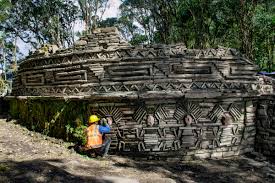
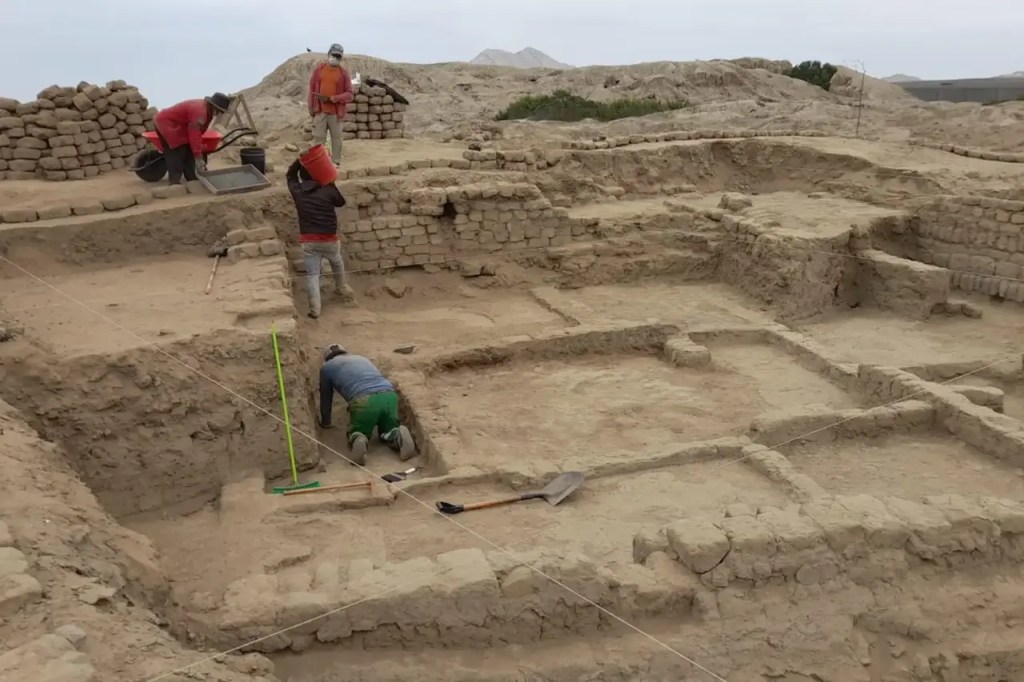
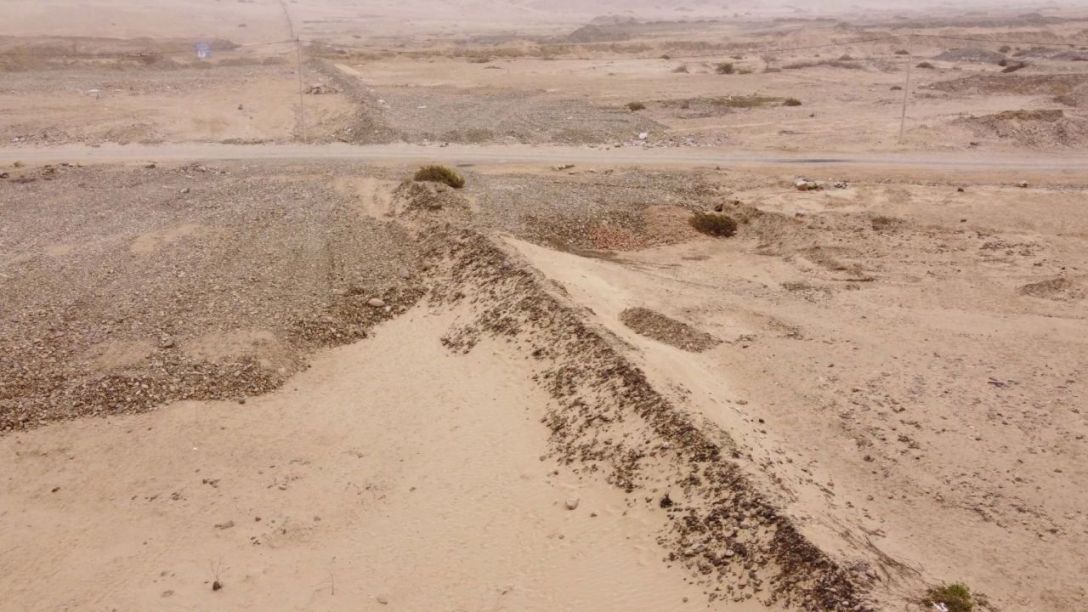
More than 100 archaeological structures discovered in the Peruvian Andes
5,000-year-old Fire Altar Unearthed at Phenomenal Site in Peru
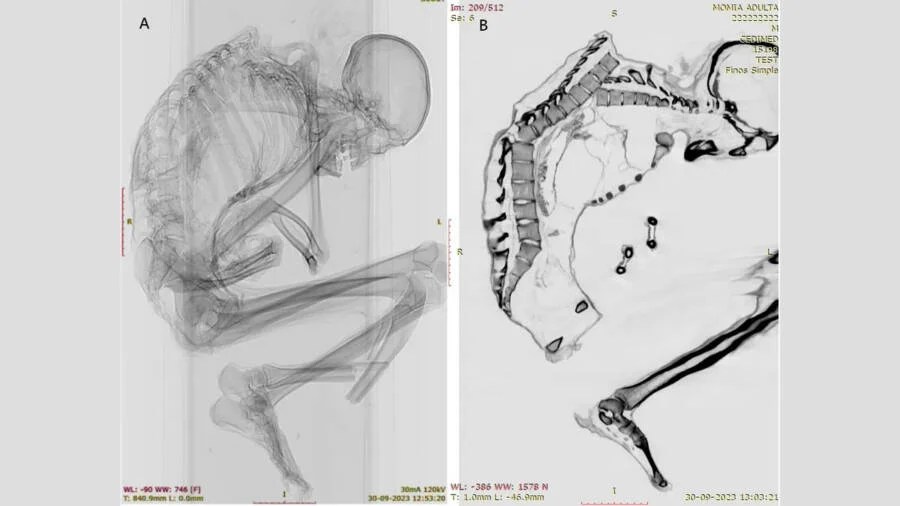
Archaeologists Stumble Upon Ancient Mummy in a Garbage Dump
https://dailygalaxy.com/2025/05/archaeologists-stumble-upon-ancient-mummy-in-a-garbage-dump/
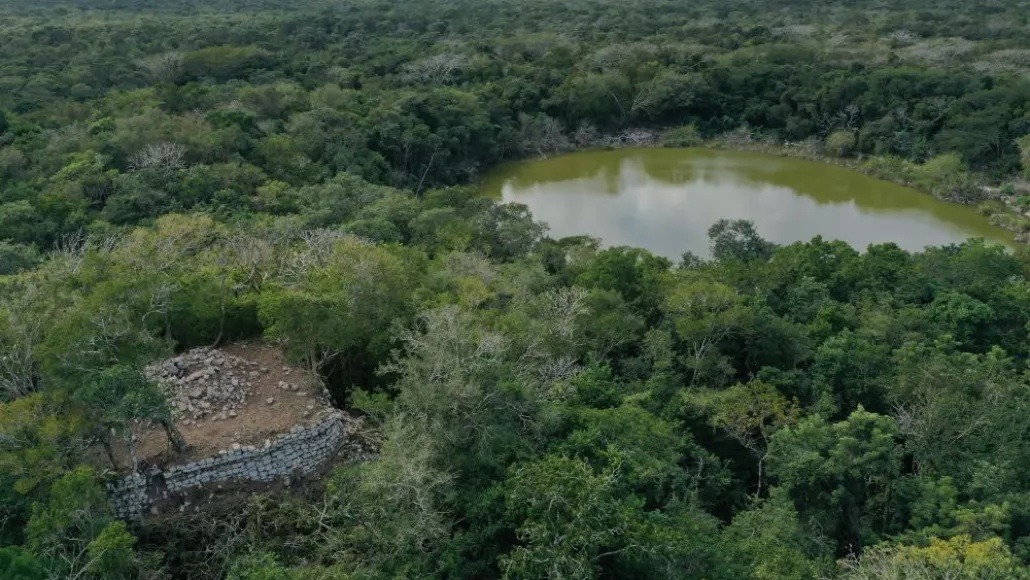
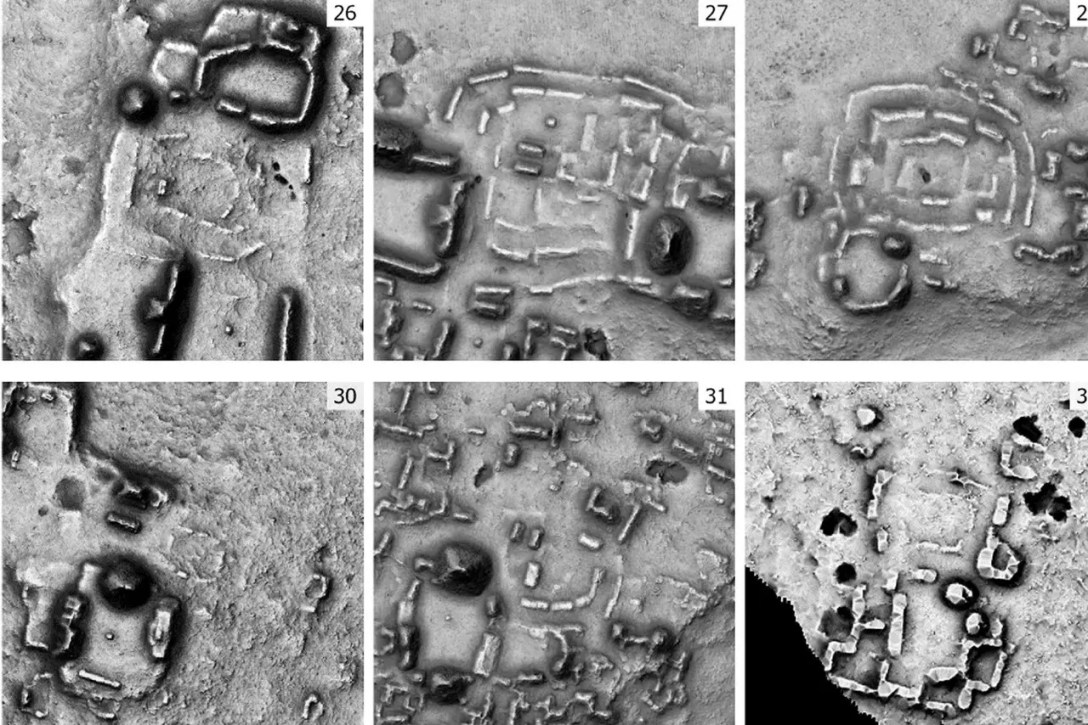
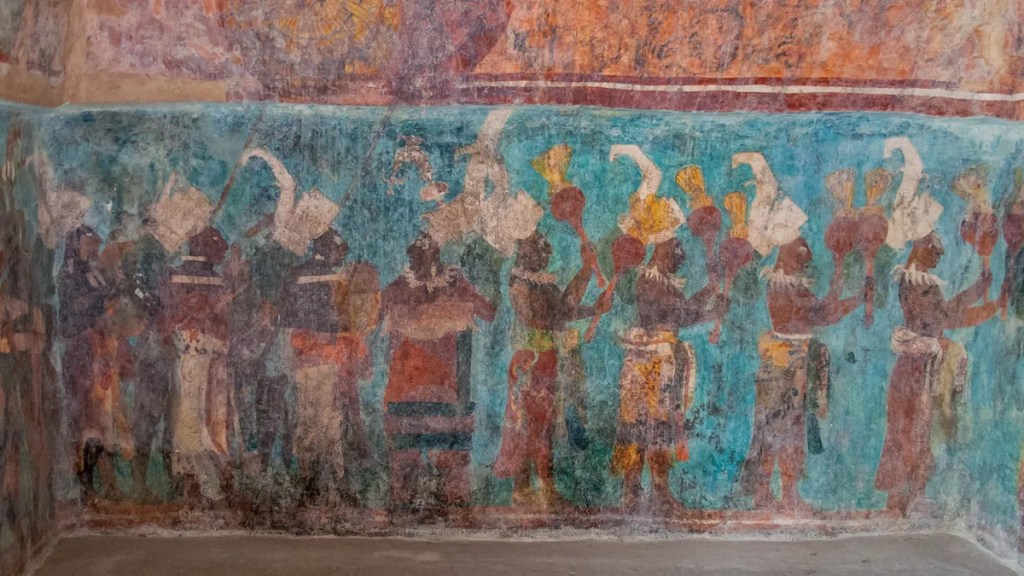
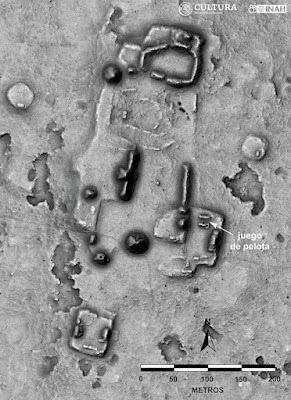
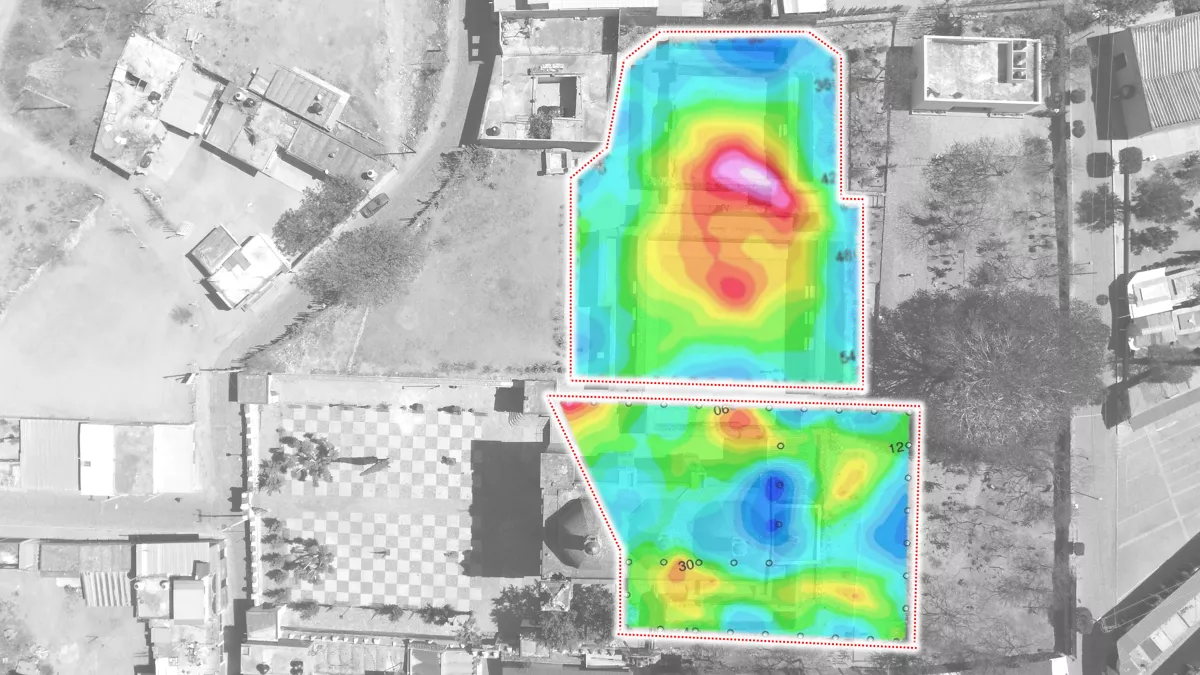
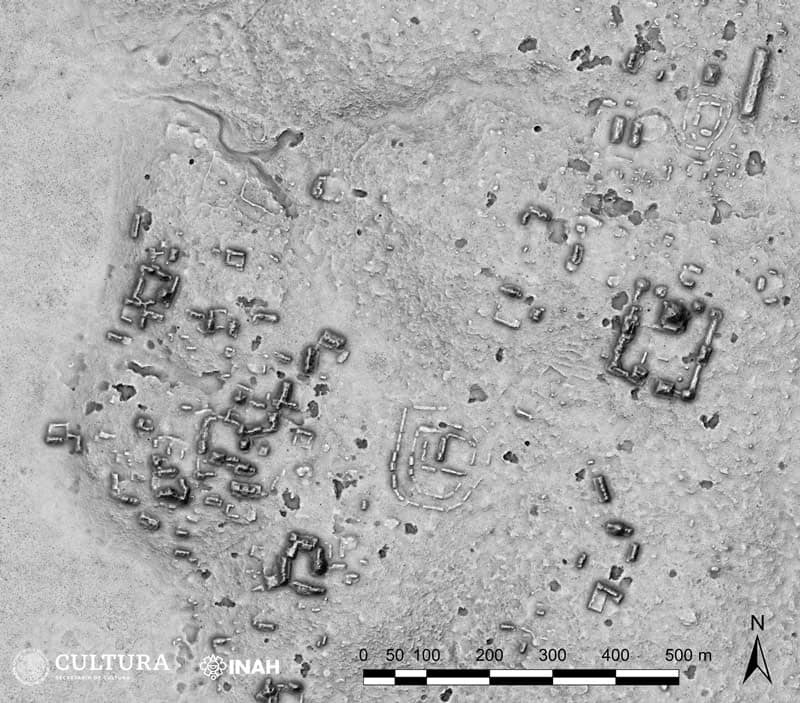
Laser mapping reveals massive ancient Zapotec city in Mexican forest
https://www.theartnewspaper.com/2025/02/18/laser-analysis-reveals-zapotec-city-guiengola-mexico
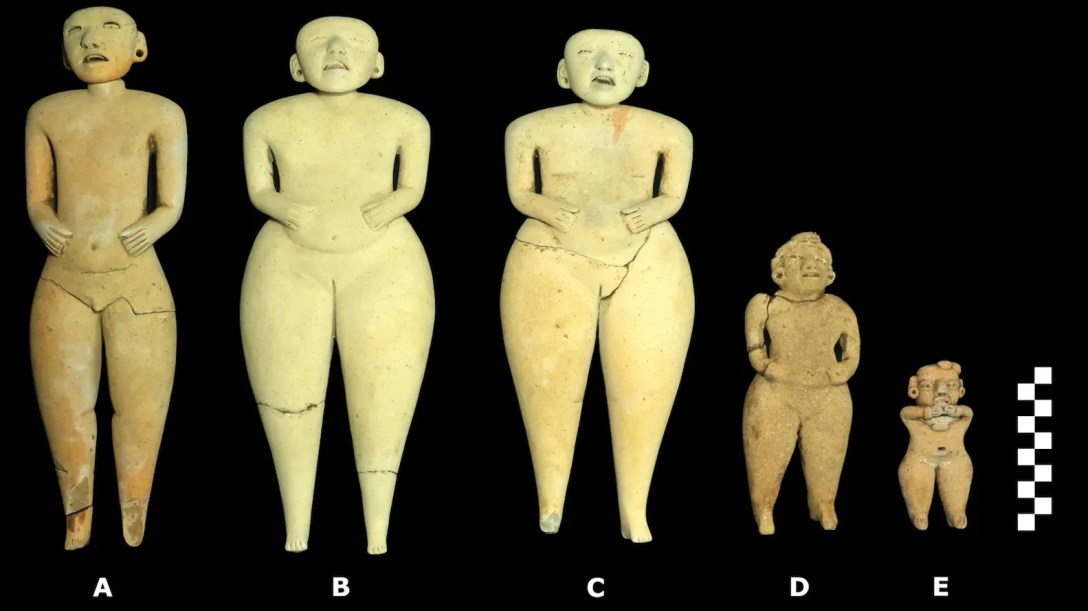
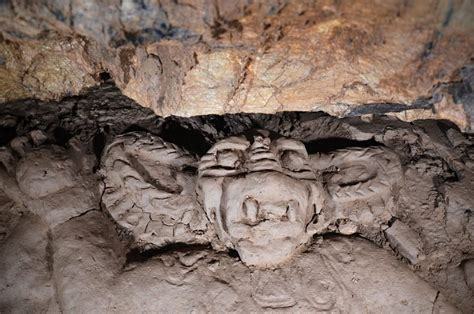
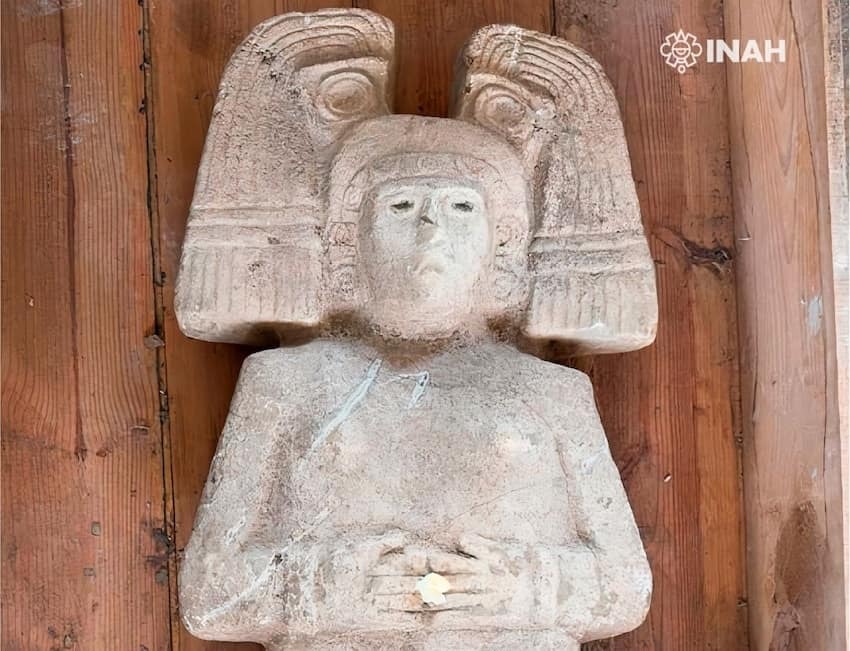
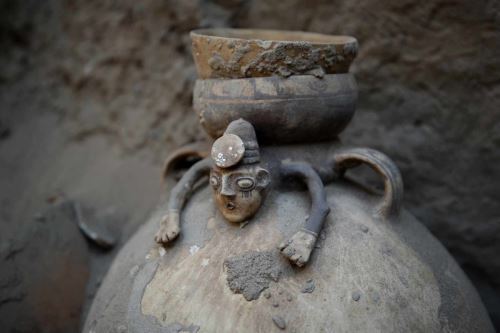
Highly expressive ancient puppets found in Salvadorian pyramid
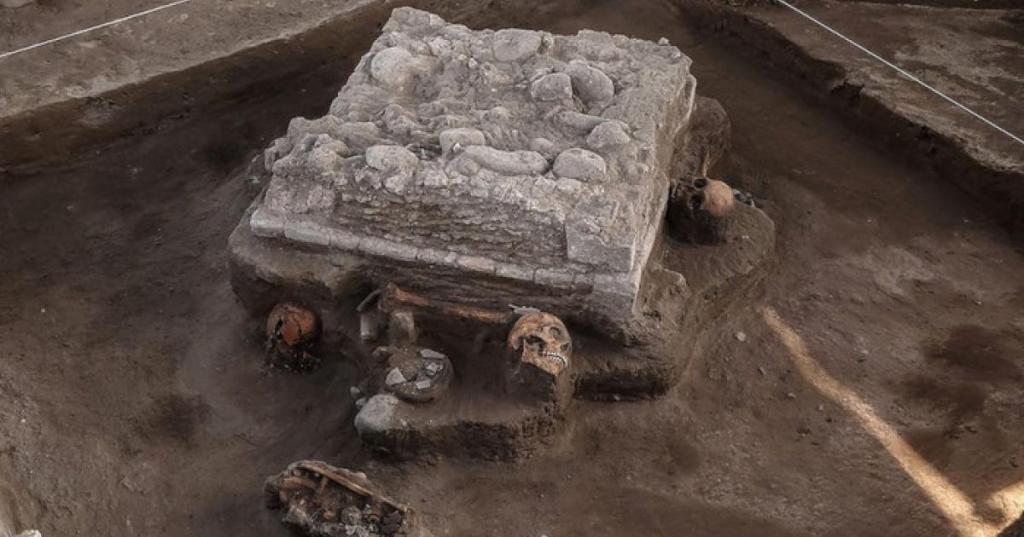
Teotihuacan altar found at Tikal — and it has at least 4 people buried inside it
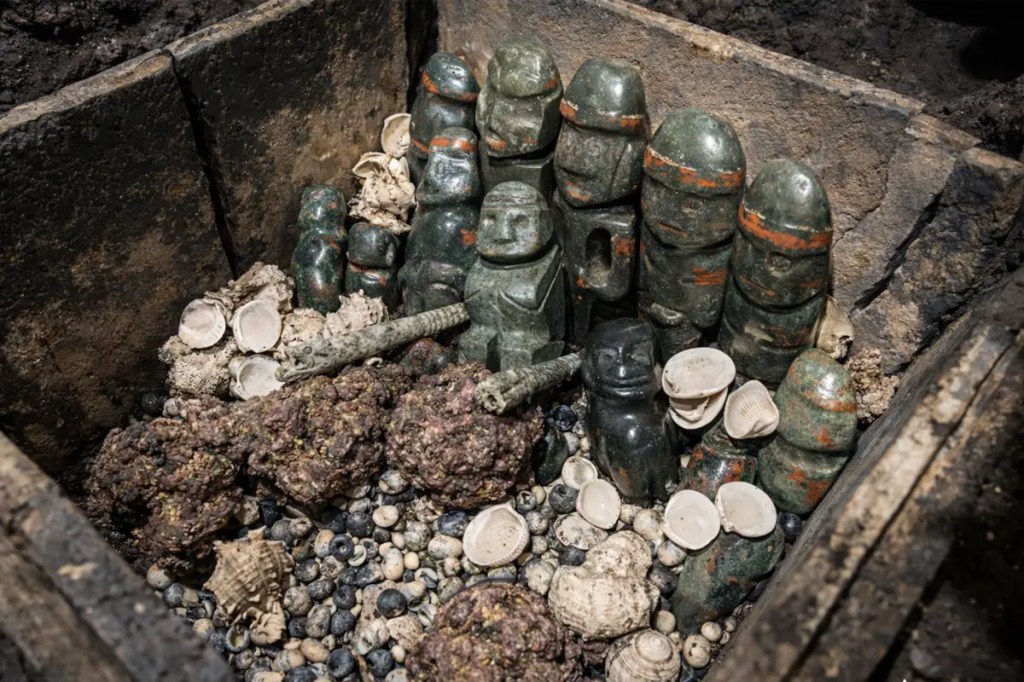
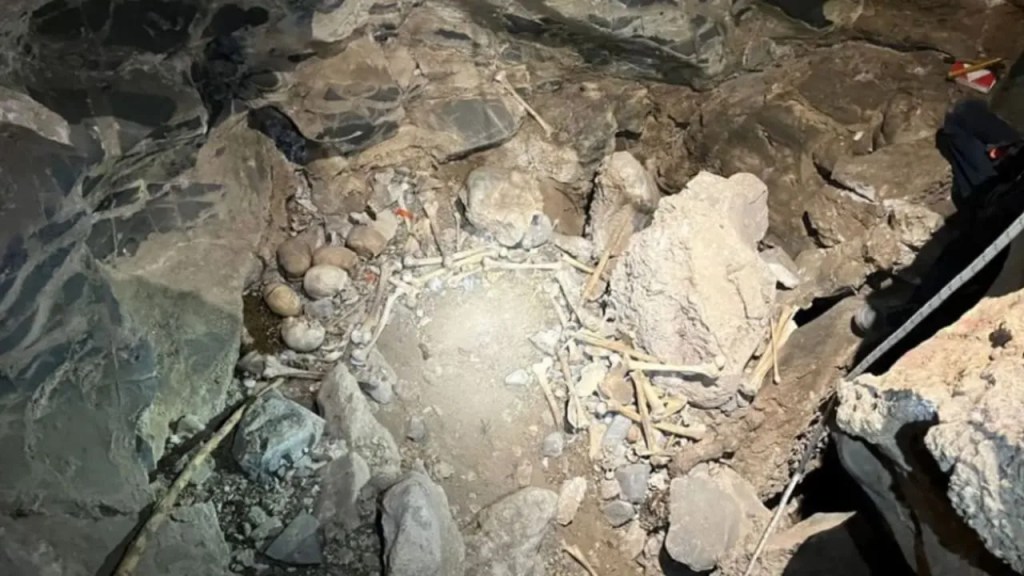
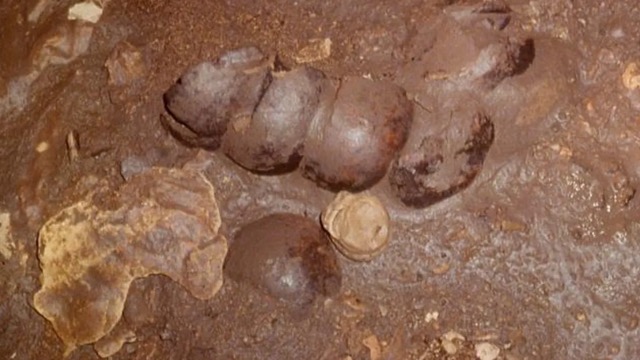
Pre-Hispanic Offerings Deposited by an Extinct Civilization Discovered in a Sacred Cave in Mexico
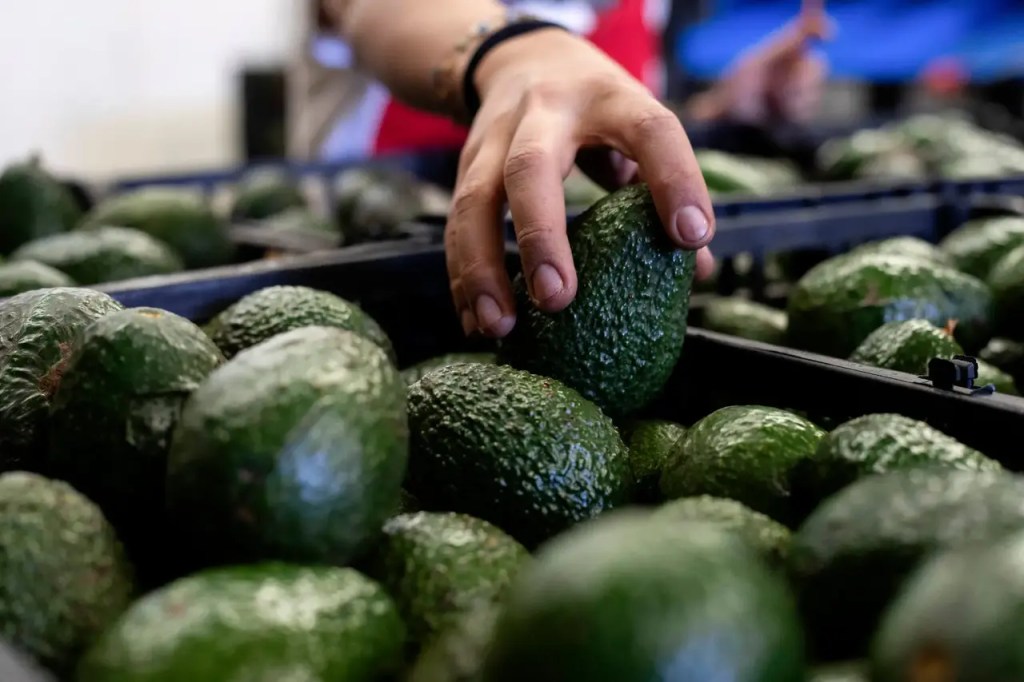
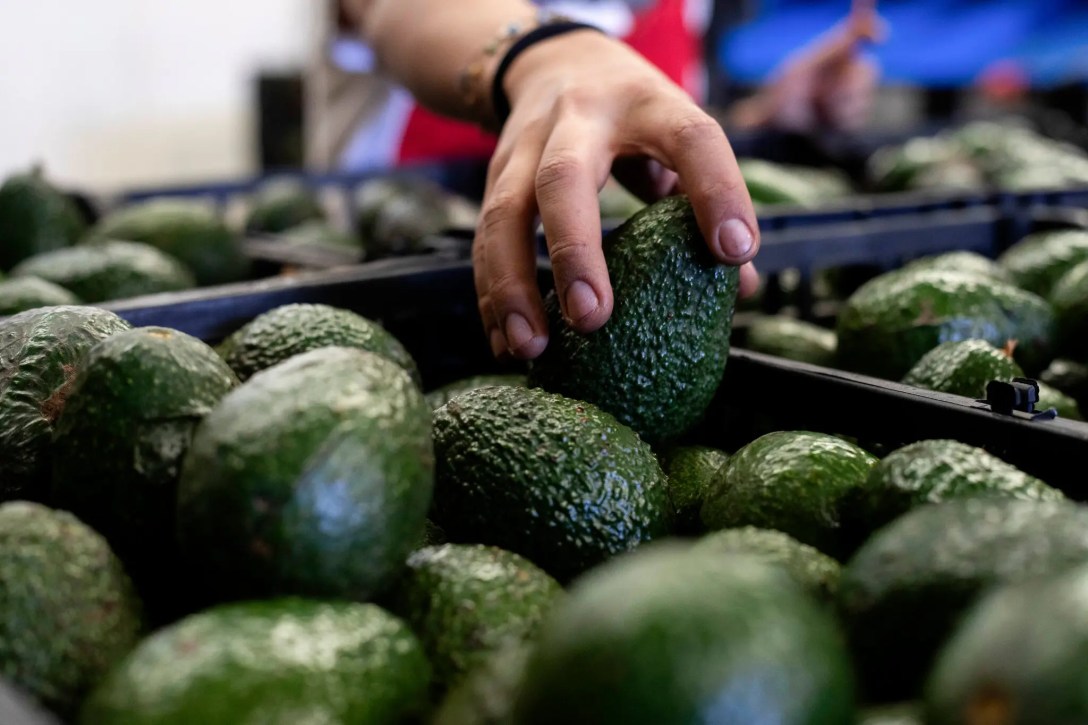
Humans Have Been Perfecting Avocados for 7,500 Years
https://www.nytimes.com/2025/03/07/science/avocados-archaeology-domestication.html
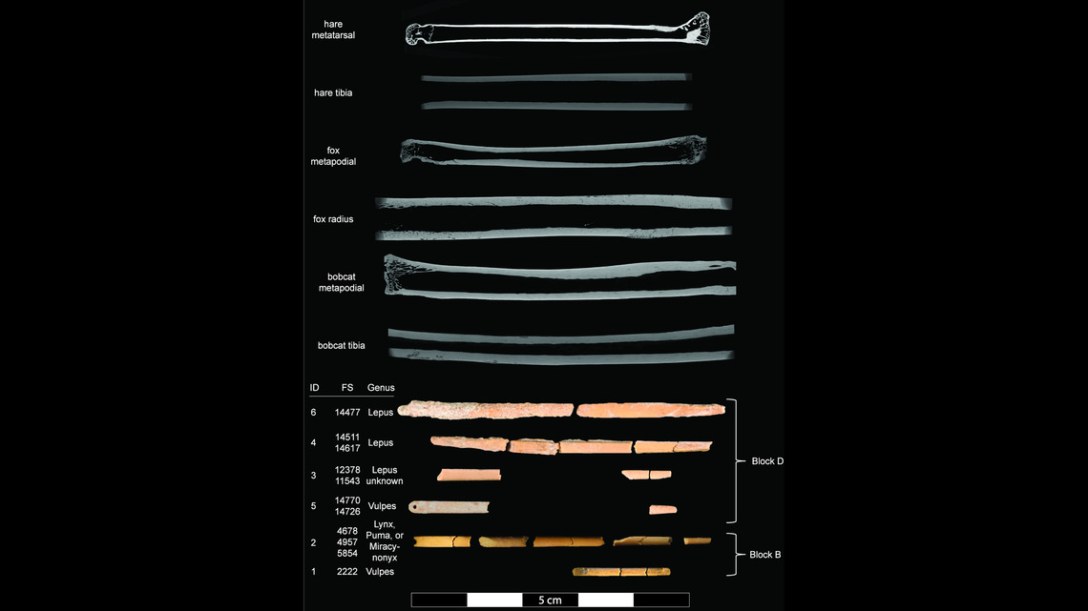
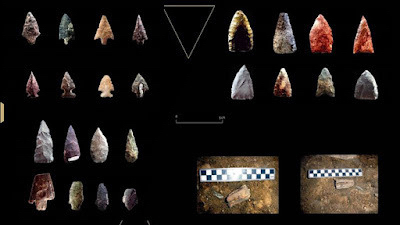
6,500-year-old hunting weapons found in Texas cave are among the oldest known in North America
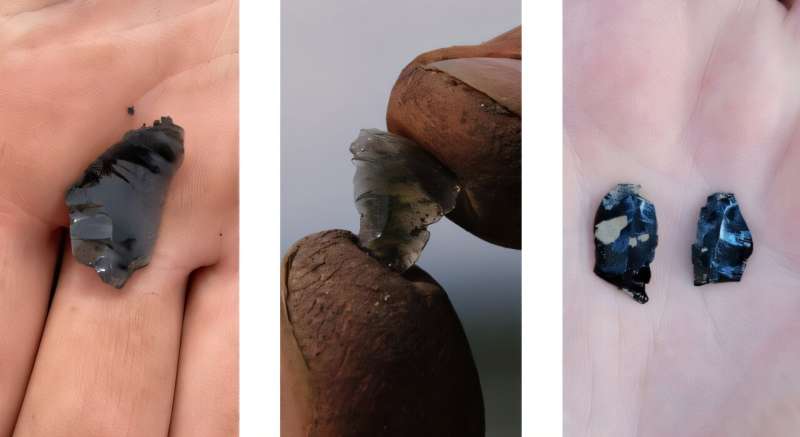
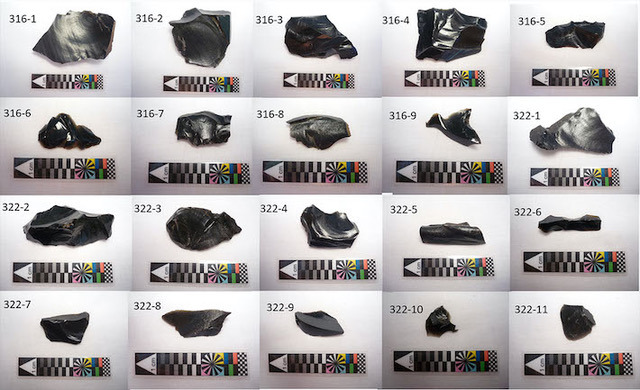
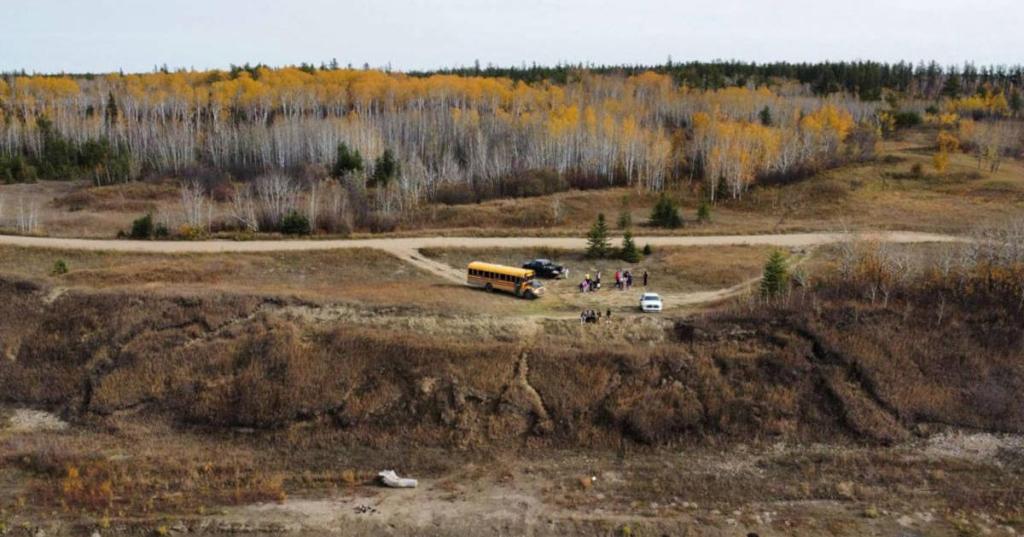
Ancient artifacts made of volcanic glass keep turning up in Canada, but how?
https://phys.org/news/2025-04-ancient-artifacts-volcanic-glass-canada.html
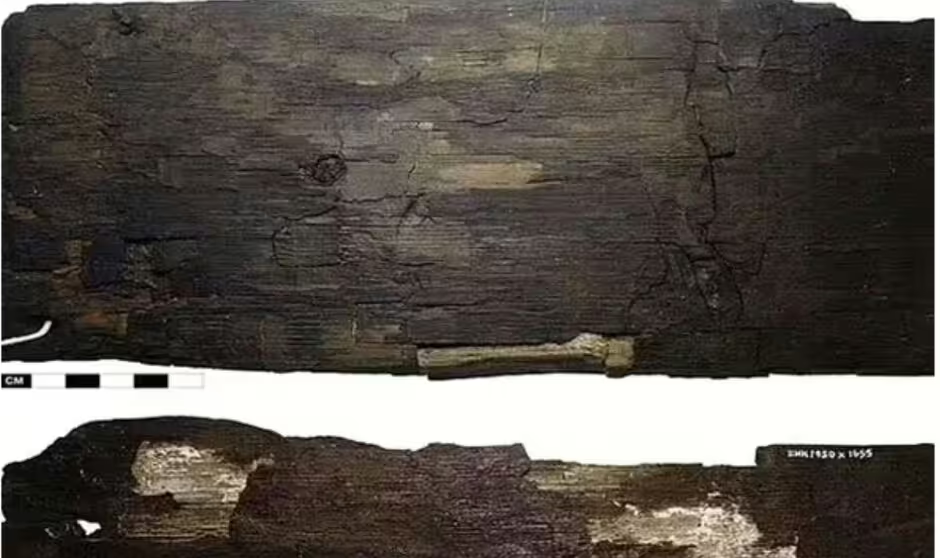
New Evidence of Vikings Long Distance Trade with Greenland
https://www.express.co.uk/news/science/2002073/vikings-americas-archaeology-news
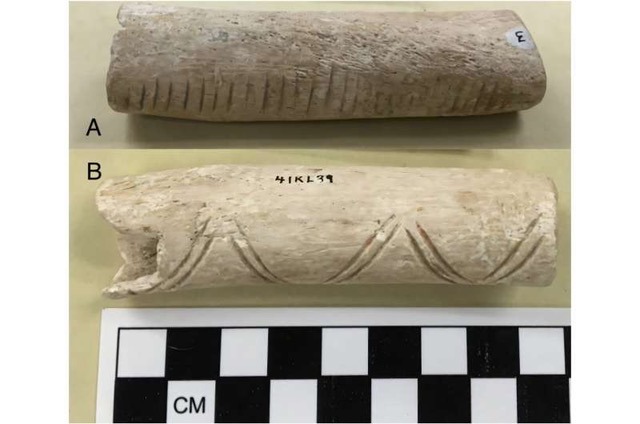
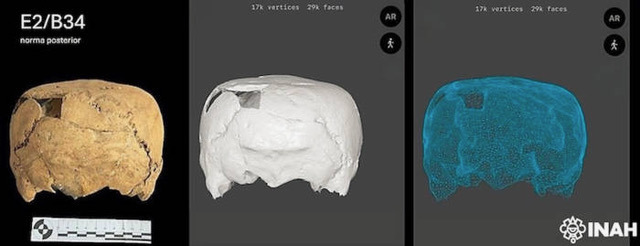
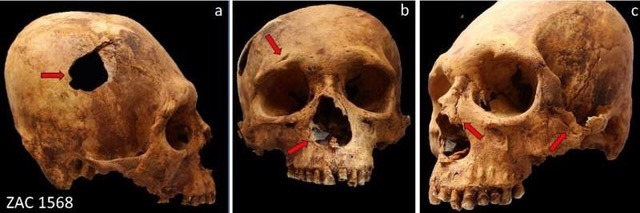
Modified human remains in prehistoric South Texas reveal ancient cultural practices
https://phys.org/news/2025-04-human-prehistoric-south-texas-reveal.html

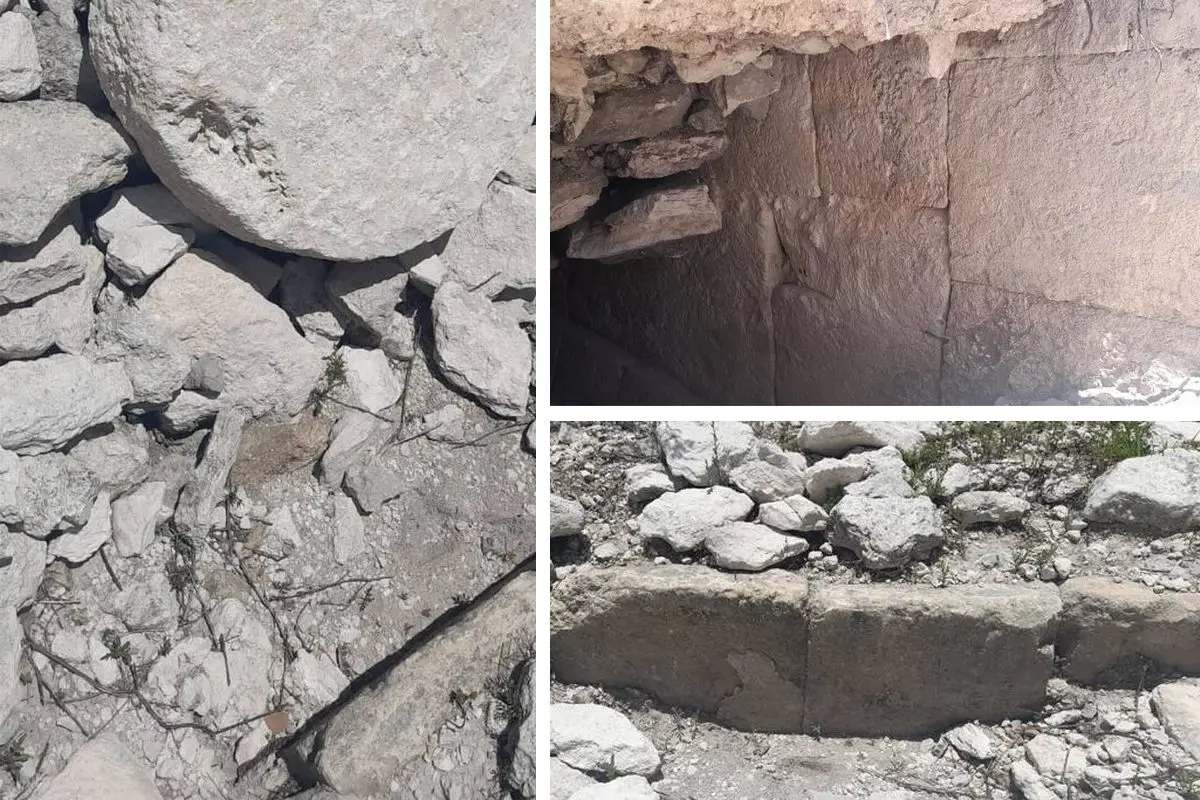
Ancient Incan tunnel system discovered in the Andes
https://www.theartnewspaper.com/2025/01/15/ancient-incan-tunnel-system-discovered-in-the-andes

Ancient Massacre Revealed! 3,000-Year-Old Mass Burial Found in Peru

New insights into Inca pilgrimages to volcanic peaks
https://www.heritagedaily.com/2025/02/new-insights-into-inca-pilgrimages-to-volcanic-peaks/154637
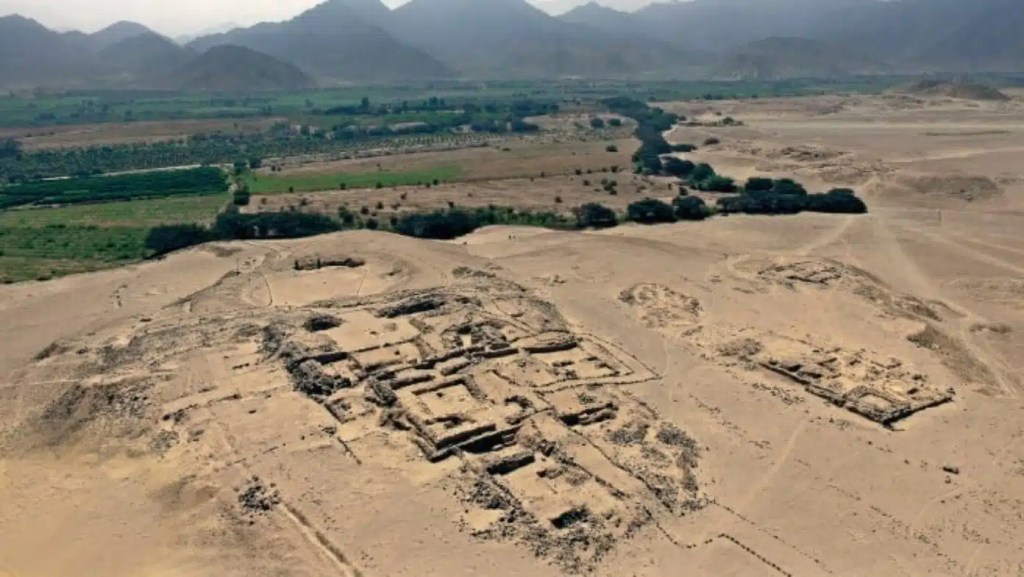
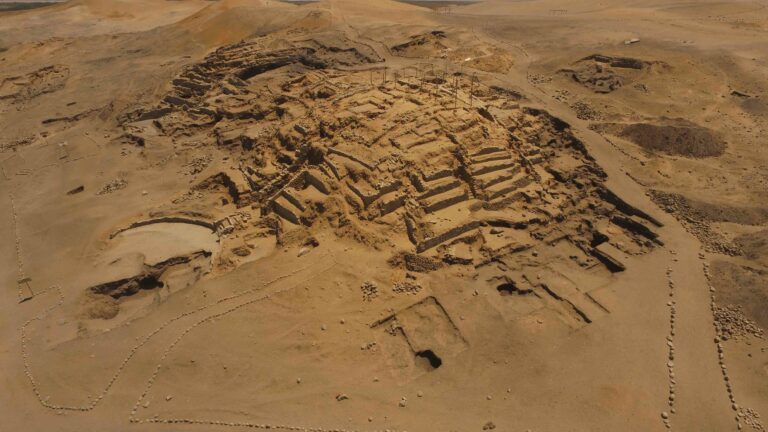
New Discovery of Ancient Pyramidal Structure in Chupacigarro, Peru
https://greekreporter.com/2025/02/01/incient-pyramidal-structure-chupacigarro-peru/
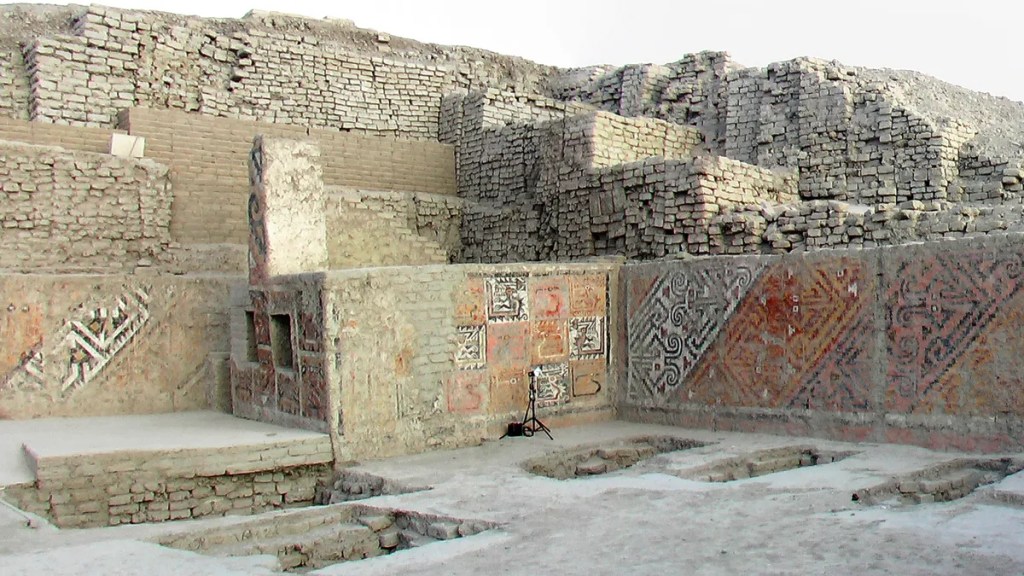
1,500-year-old tomb in Peru holds human sacrifices, including strangled son next to father’s remains, genetic analysis reveals
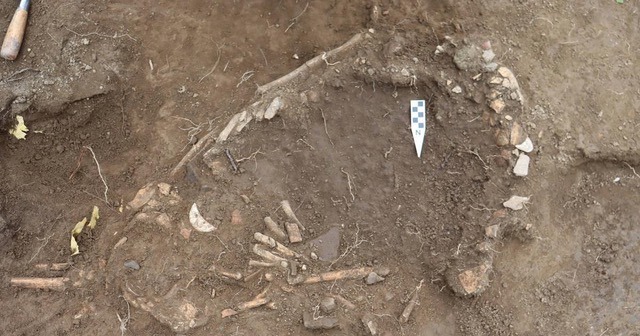
Ecuador Burial Suggests Ritual Sacrifice of Pregnant Woman in 800 AD
https://www.ancient-origins.net/news-history-archaeology-americas/ritual-sacrifice-ecuador-0021858

Ancient Amazonian People Fed Ducks Over 1,000 Years Ago, Remains Reveal
https://www.newsweek.com/ancient-remains-reveal-amazon-people-fed-ducks-1000-years-ago-2005021

The Roots of Carnival? Archaeologists Just Found Proof of Prehistoric Parties in Brazil

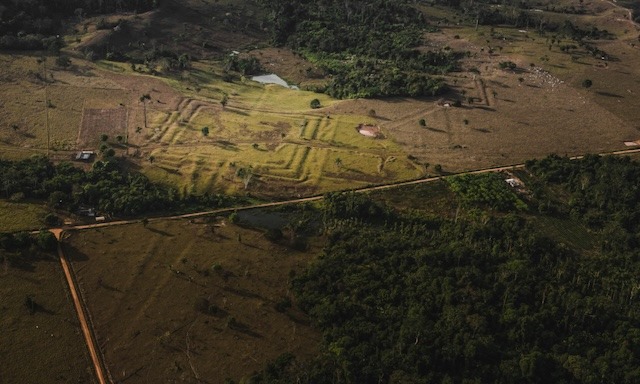
Lost cities of the Amazon: how science is revealing ancient garden towns hidden in the rainforest
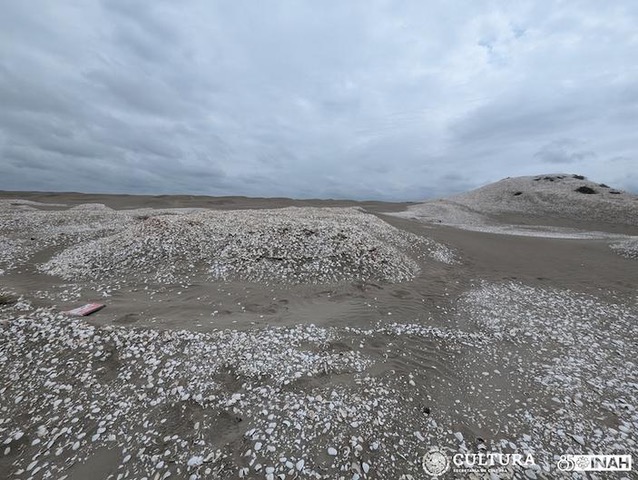
A new archaeological site has been recorded on Macapule Island
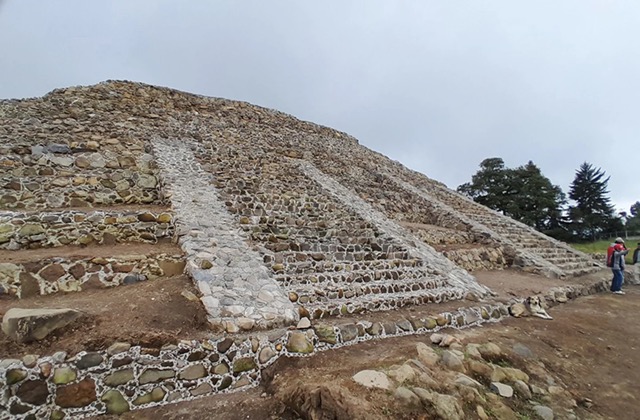
Research suggests that Tetelihtic could be the birthplace of the Totonac culture
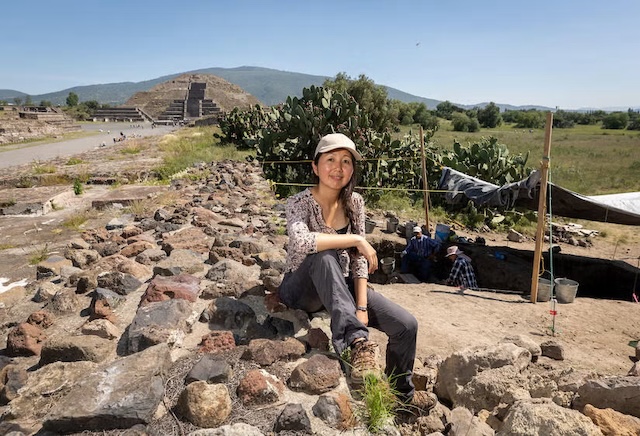
Golden eagles, wolves, jaguars, and pumas were sacrificed in Teotihuacán Moon Pyramid rituals
https://www.jpost.com/archaeology/archaeology-around-the-world/article-838507
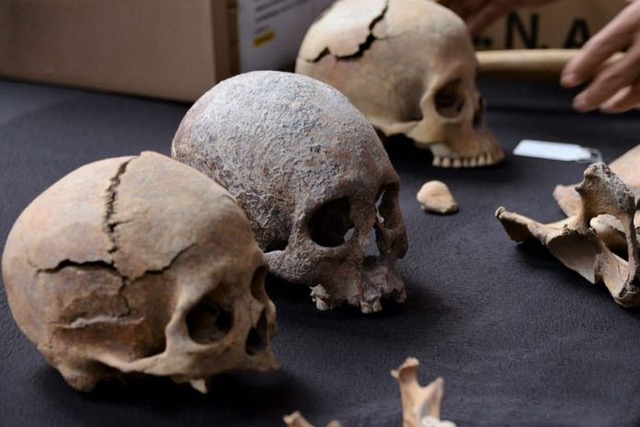
Ancient skeletons found at AIFA tell story of pre-Columbian women warriors
https://mexiconewsdaily.com/culture/skeletons-found-near-mexico-city-ancient-women-warriors/
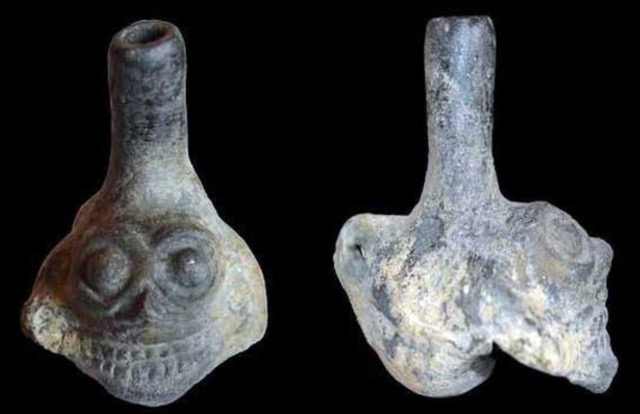
Why Aztec “death whistles” sound like human screams
https://arstechnica.com/science/2024/11/study-why-aztec-death-whistles-sound-like-human-screams/

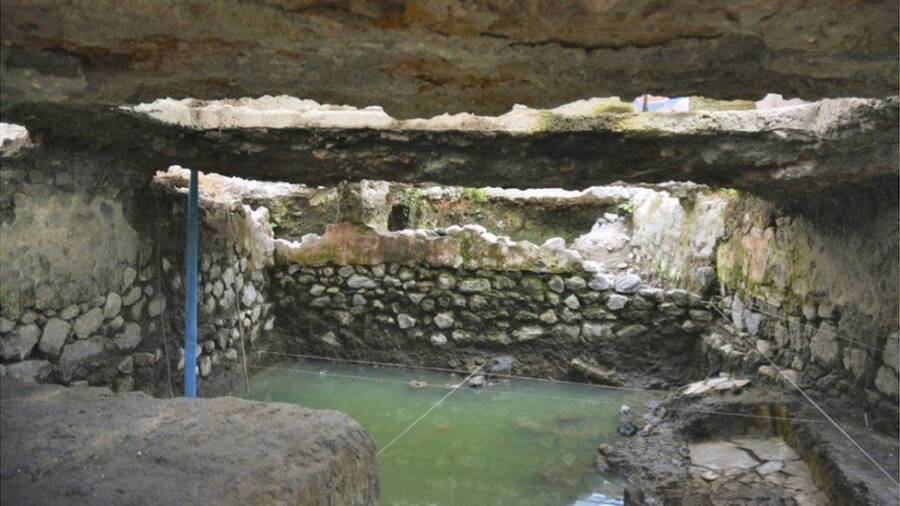
Pre-Hispanic dock and navigable canal discovered beneath Chapultepec Avenue in Mexico City
https://archaeologymag.com/2024/11/pre-hispanic-dock-and-navigable-canal-in-mexico-city/
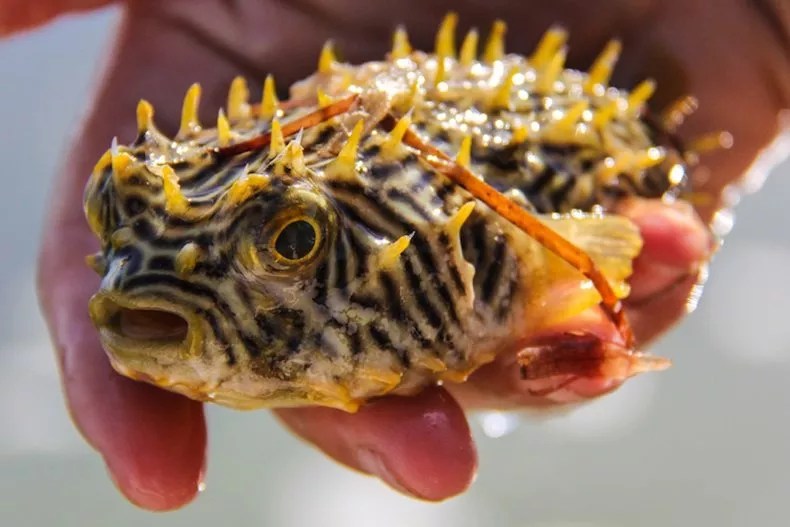
Ancient Native Americans Had Mysterious Use for Lethally Toxic Fish
https://www.newsweek.com/ancient-native-americans-mysterious-use-lethally-toxic-fish-2006707
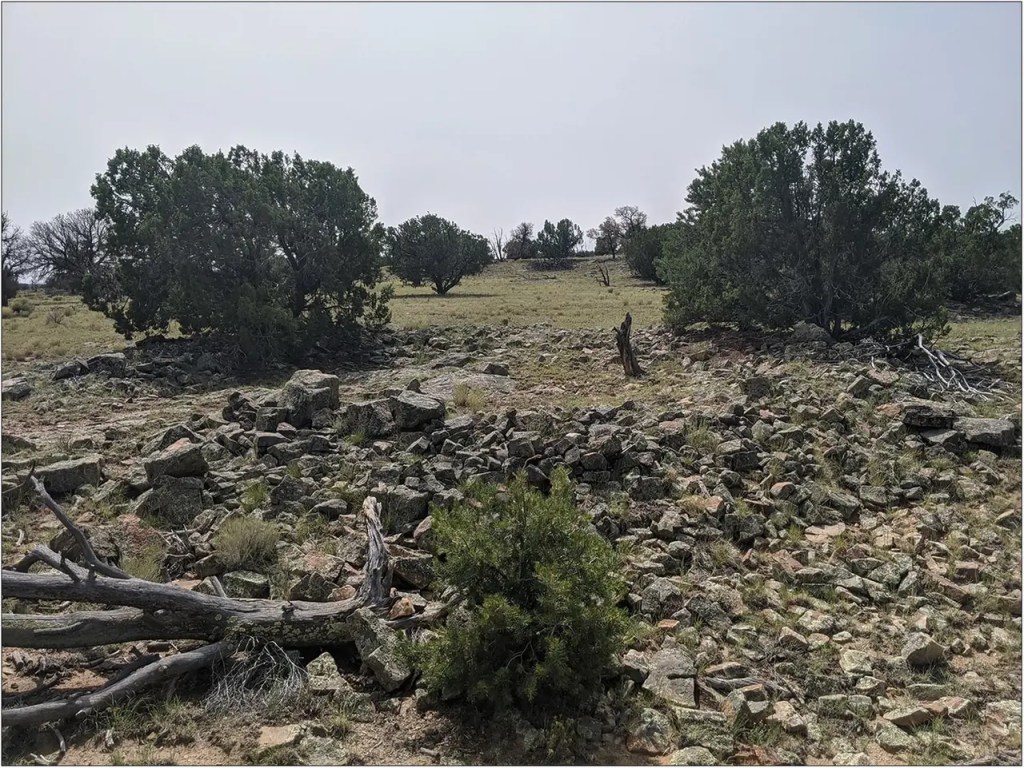
Ancient Ceremonial Roads Found in New Mexico Reveal Cosmic and Ritual Connections
https://greekreporter.com/2025/01/29/ancient-ceremonial-road-new-mexico/
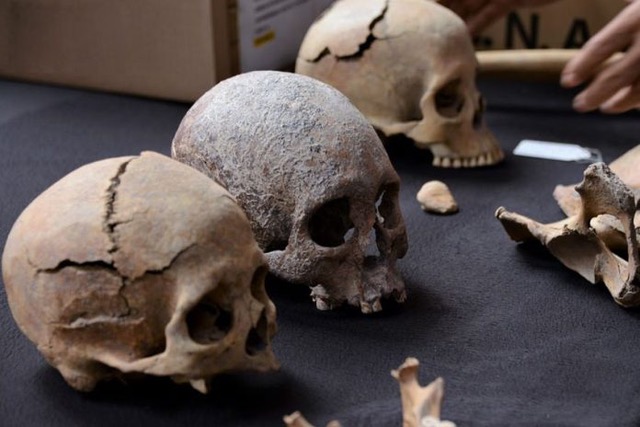
DNA of 10,000-Year-Old Spirit Cave Mummy Reveals Secrets of Native American History
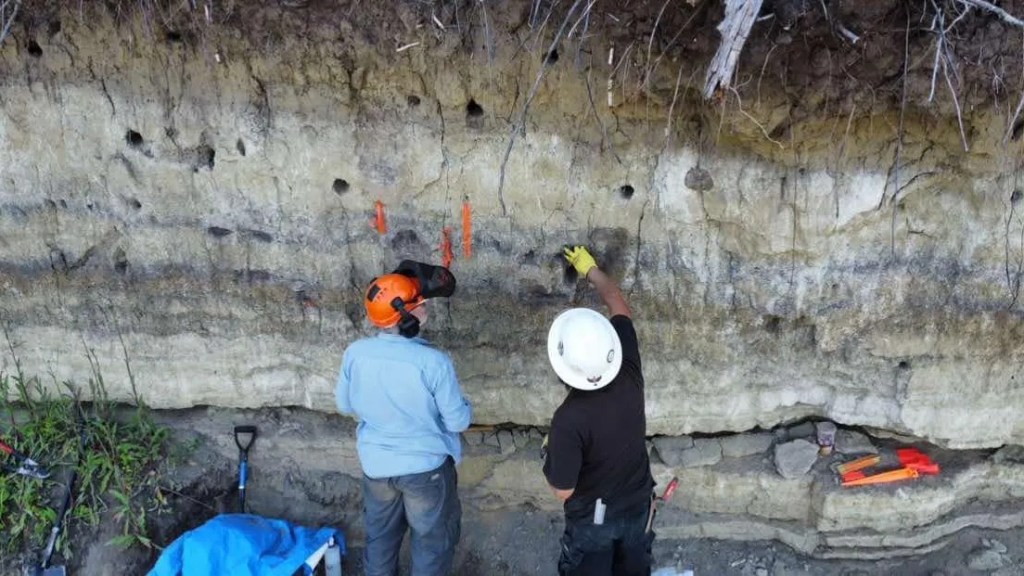
11,000-year-old settlement in Canada could rewrite history of Indigenous civilizations in North America
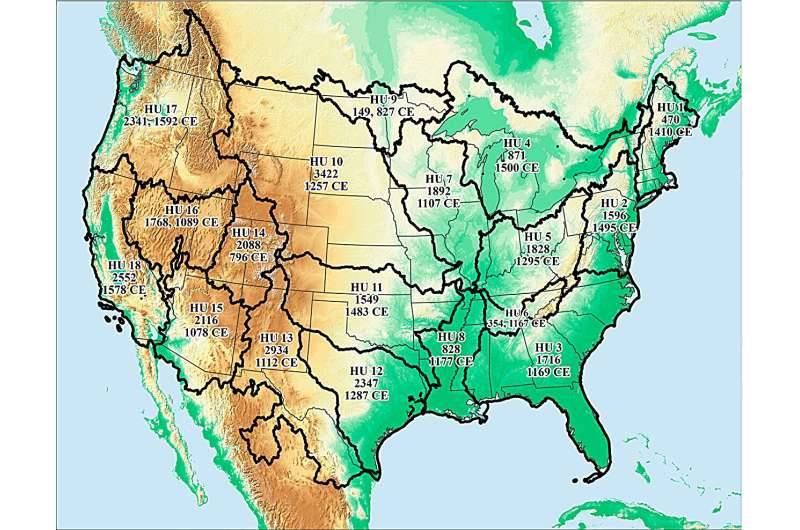
Radiocarbon dating of artifacts and bones shows North American Indigenous population changes over 2,000 years
https://phys.org/news/2025-02-radiocarbon-dating-artifacts-bones-north.html
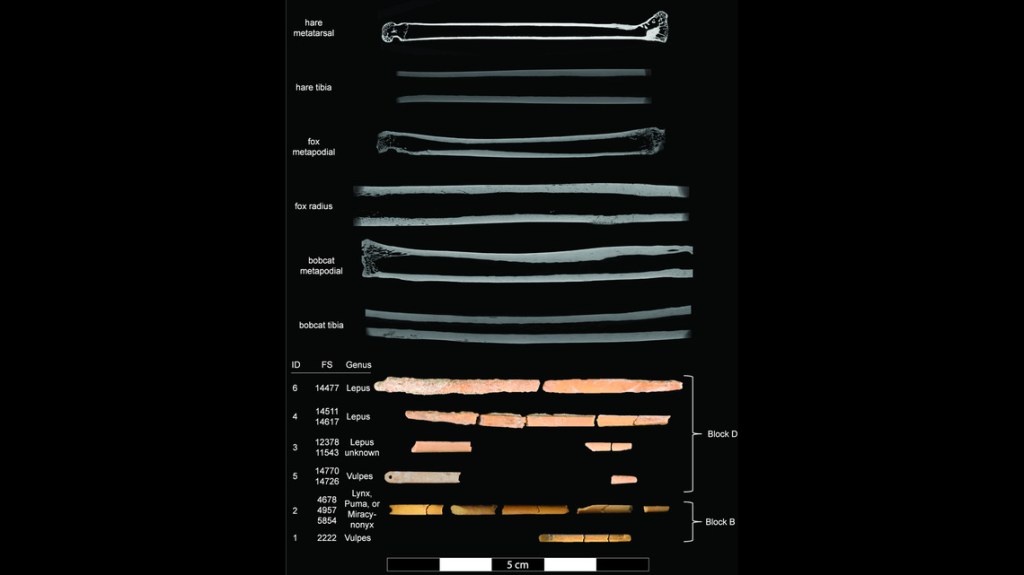
Archaeologists discover prehistoric sewing needles — made from the bones of fur-bearers
https://www.idahostatesman.com/news/nation-world/national/article296456939.html
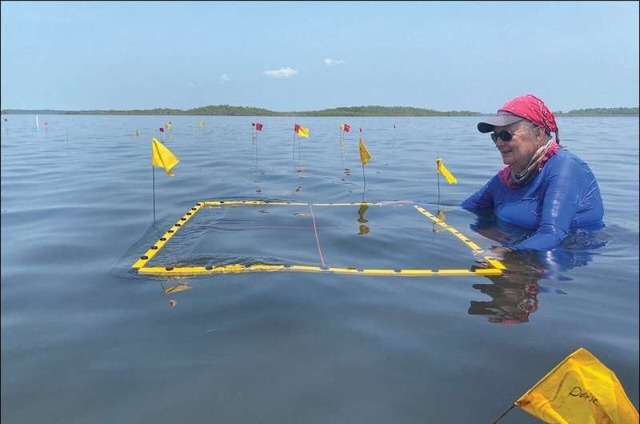
Ancient Maya city of Ucanal was contaminated with mercury, study reveals
PhD student finds lost city in Mexico jungle by accident
1,000-Year-Old Mayan Ruins Unearthed During Construction Work in Mexico
Conservators Continue to Restore Maya Stucco Benches
https://archaeology.org/news/2024/08/09/conservators-continue-to-restore-maya-stucco-benches/
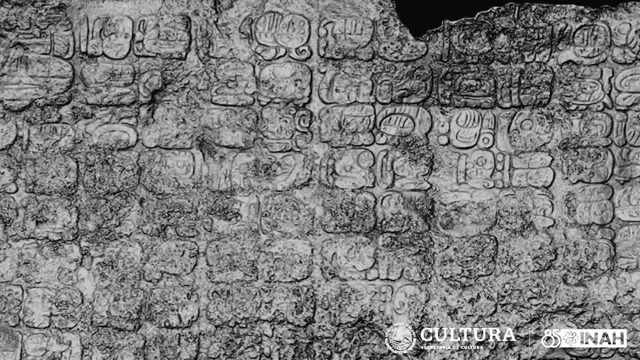
Giant stone panel with 123 Maya glyphs discovered in Mexico
https://archaeologymag.com/2024/08/giant-panel-with-maya-glyphs-discovered-in-mexico/
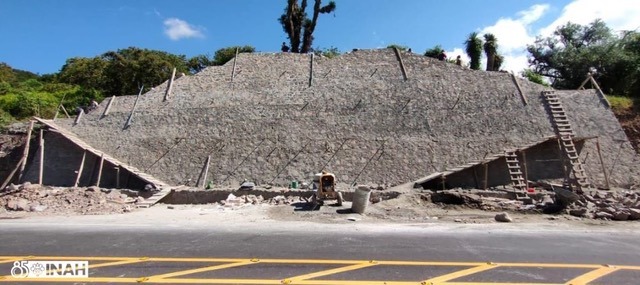
An Ancient Pyramid Resurfaces in Mexico—Only to Be Reburied
https://news.artnet.com/art-world/ancient-pyramid-mexico-found-reburied-2583092
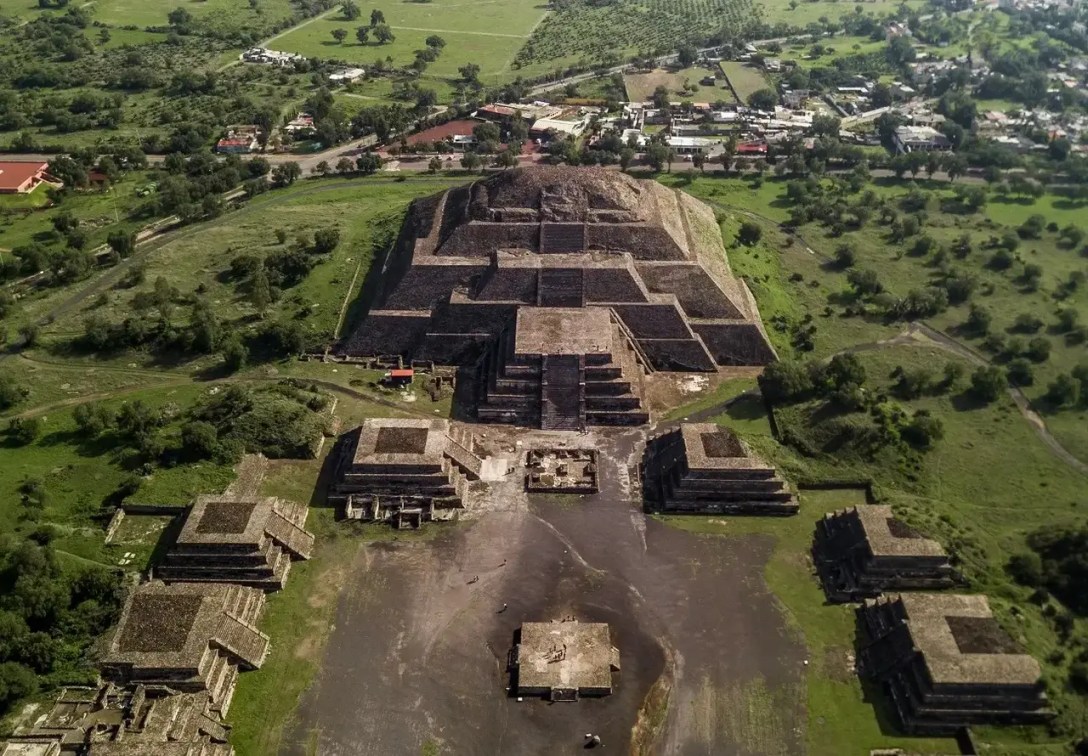
Pyramid of the Moon Marked Astronomical Orientation Axis of Teōtīhuacān
Mike Ruggeri’s Teotihuacan News

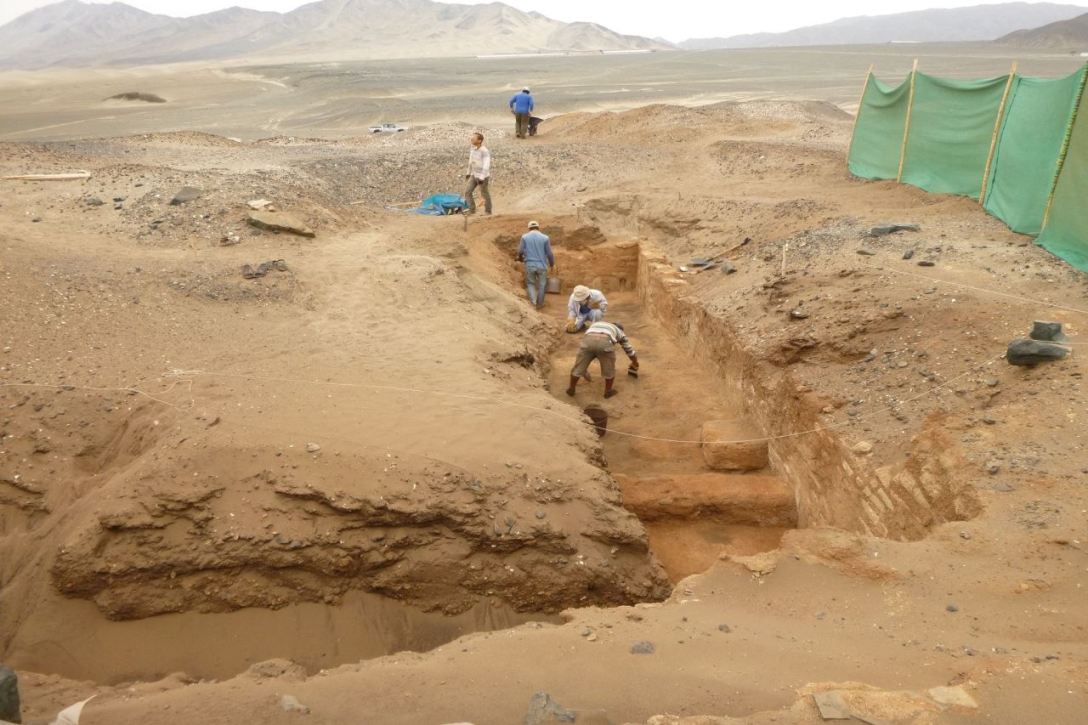
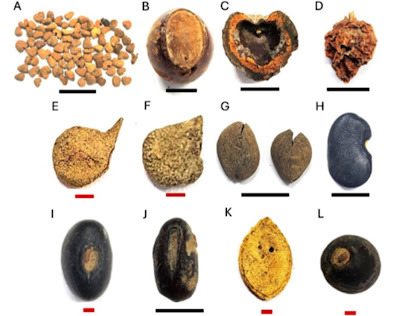
Archaeobotanical research in Vichama

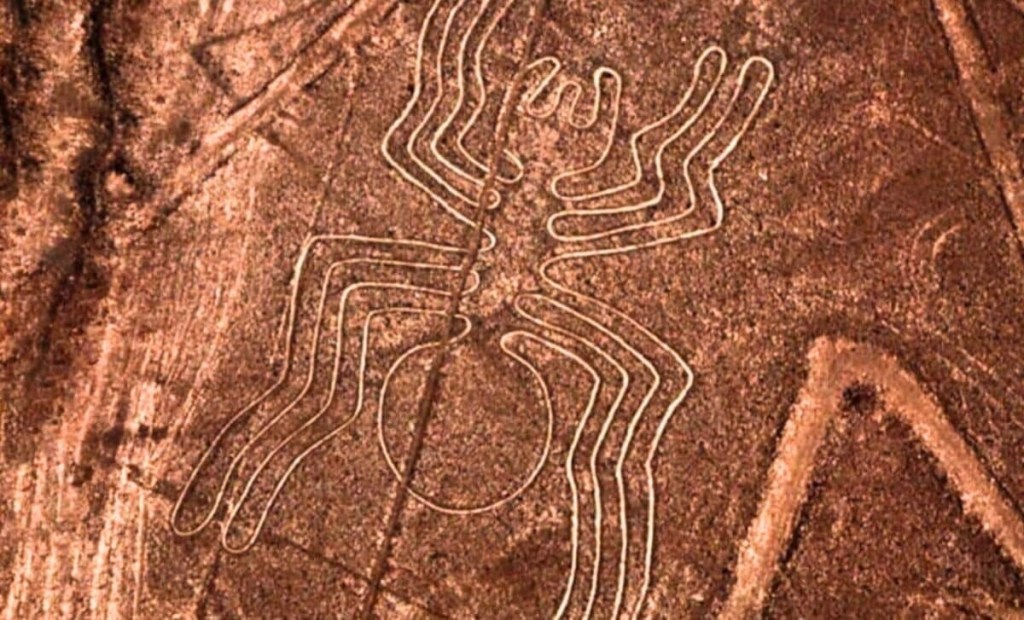
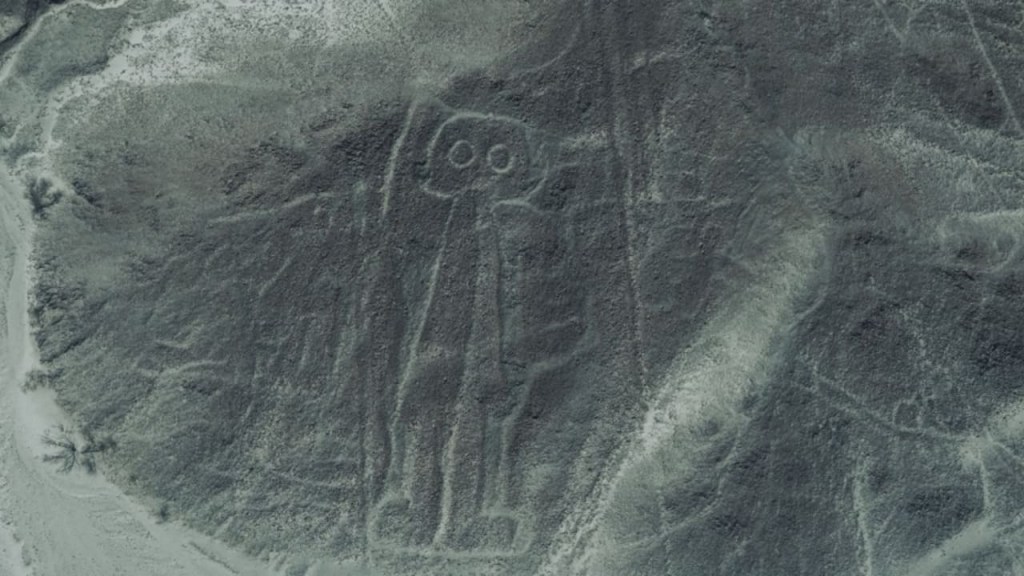
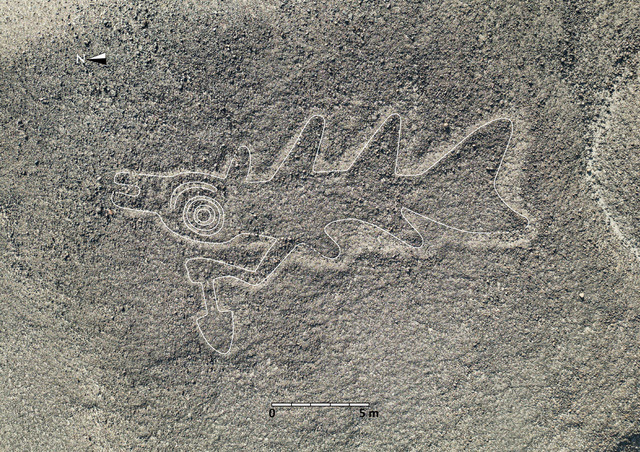
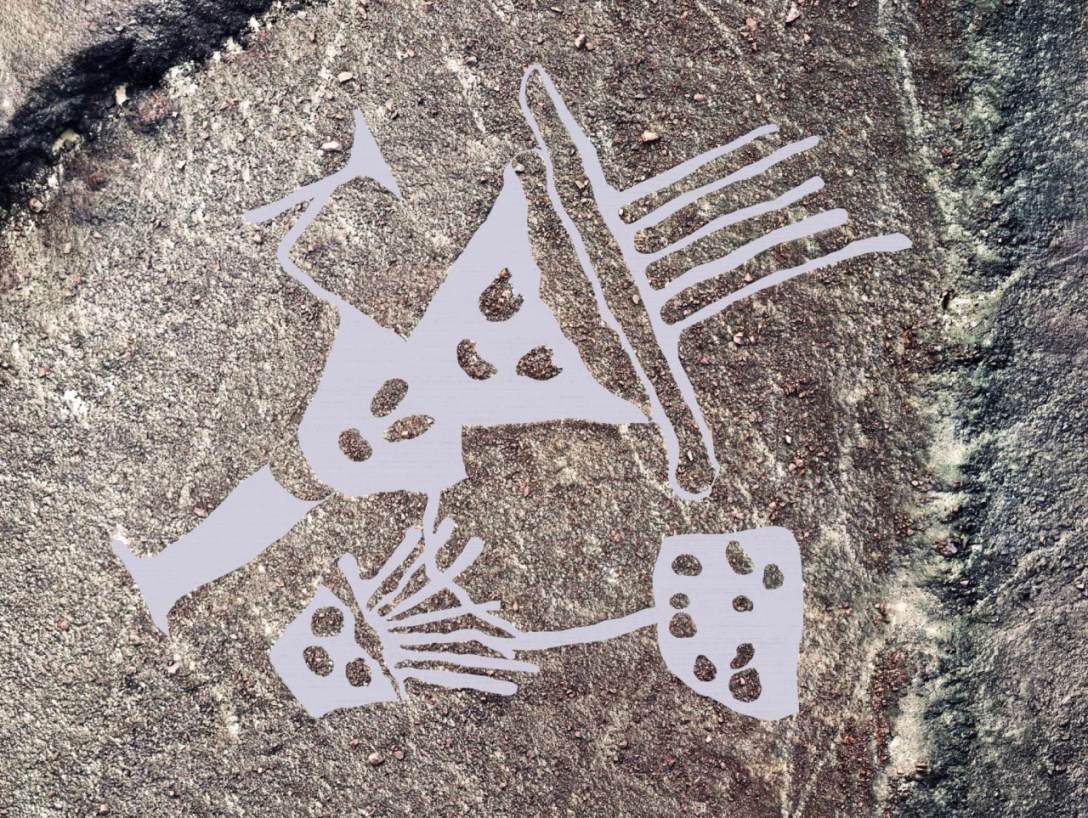
AI research uncovers 300 ancient etchings in Peru’s Nazca desert
https://www.rawstory.com/ai-research-uncovers-300-ancient-etchings-in-peru-s-nazca-desert/
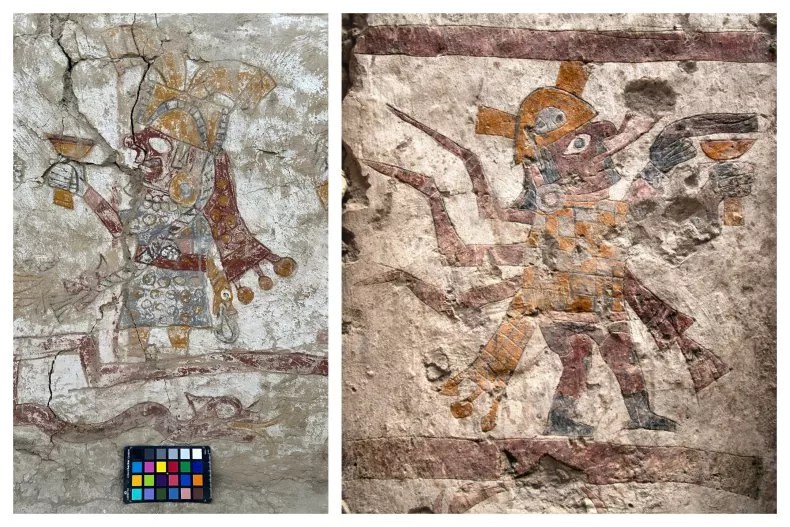
Painted Throne Room of Powerful Ancient Female Leader Discovered
https://www.newsweek.com/painted-throne-room-powerful-ancient-female-leader-discovered-1961523
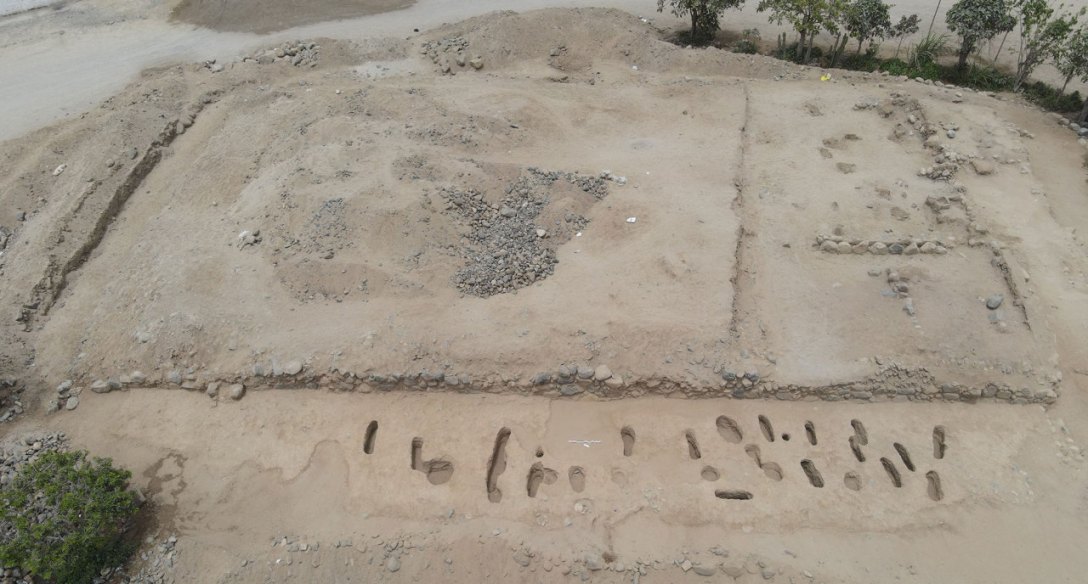
76 Child Sacrifice Victims to Energize the Fields Uncovered in Peru

The Origin of the Inca Girl Sacrificed on the Quehuar

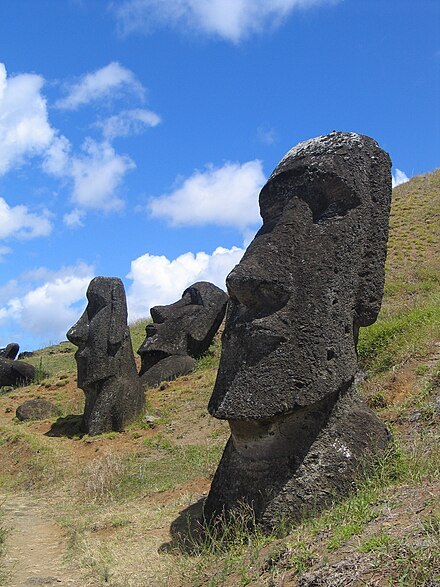
Genomes of Ancient Easter Islanders Reveal Resilience and Pre-European Contacts with Americas
https://www.sci.news/genetics/ancient-easter-islander-genomes-13254.html
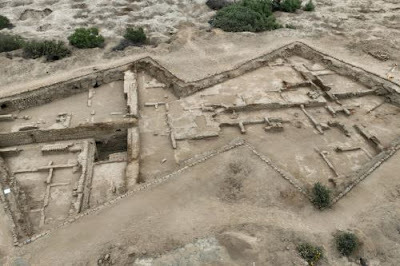
Discoveries at Licapa II allow for a better understanding of the daily life of the Moche culture

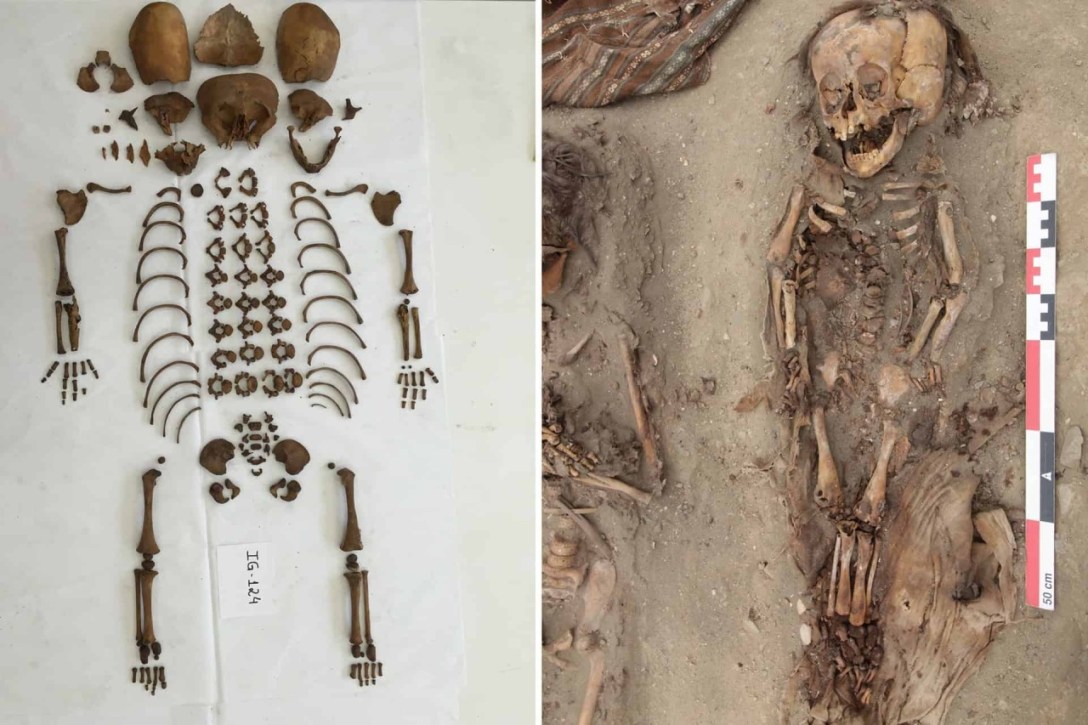
Archaeologists Unearth 500-Year-Old Skeletons of Inca Toddlers with Smallpox

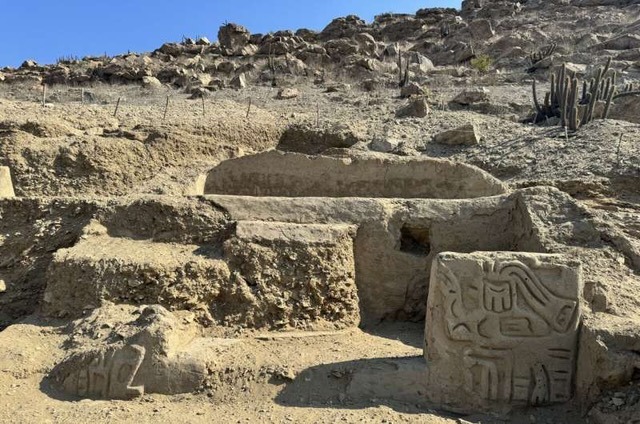
Archaeologists Find Ancient Temple and Theater in Peru
https://phys.org/news/2024-07-archaeologists-ancient-temple-theater-peru.html
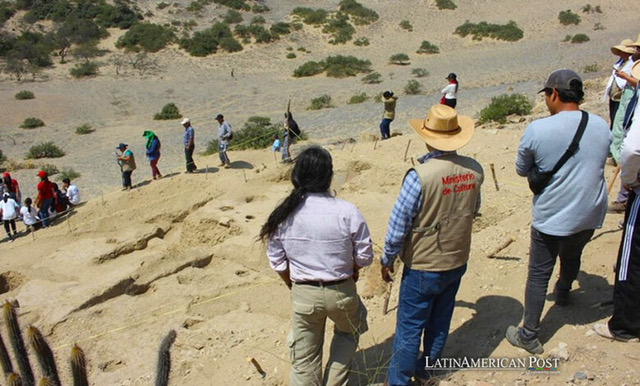
Ancient Peruvian Temple Ruins Unearthed by Archaeologists

Technology Unveils Secrets of Ancient Peruvian Adobe City

Archaeologists Uncover Burial Site of Ancient Cult that Revered Water

Workers Uncover Eight Mummies and Pre-Inca Objects While Expanding the Gas Network in Peru
https://phys.org/news/2023-09-workers-uncover-mummies-pre-inca-gas.html
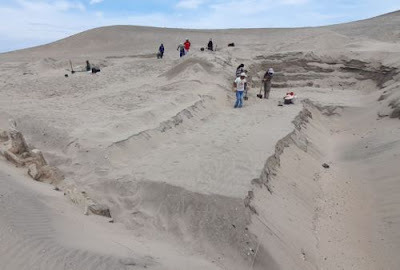
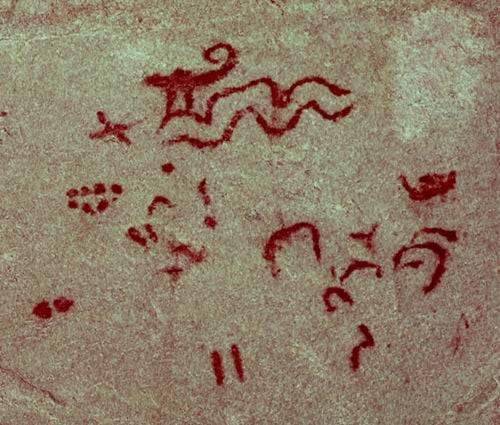
Mysterious Pattern in a Cave Is Oldest Rock Art Found in Patagonia
Study reveals evidence of violence at a time of crisis in ancient Peru
Early Settlers of Rapa Nui Had Contact With South America
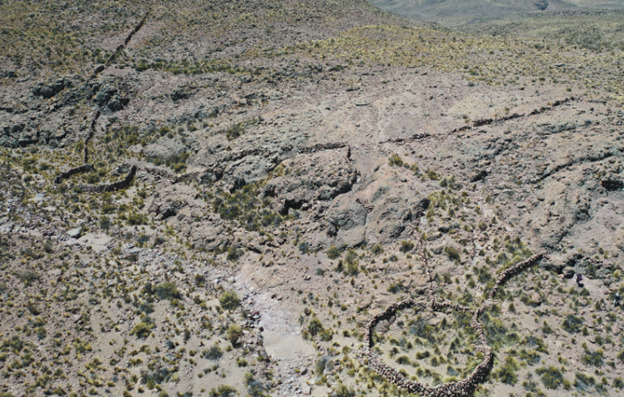
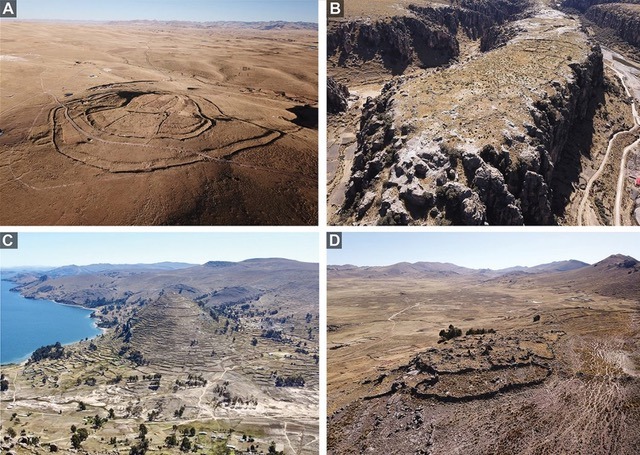
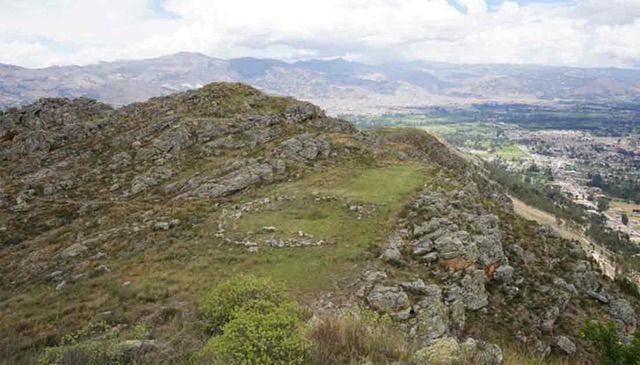
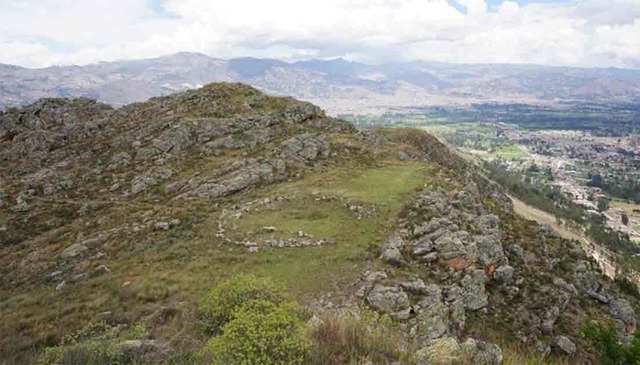
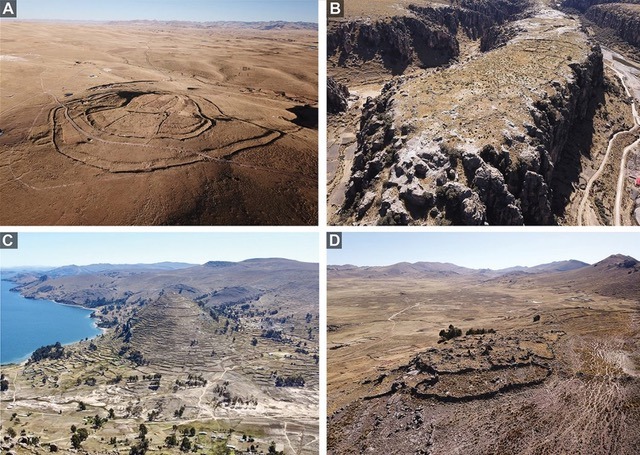
Study uses satellite imagery to identify over 1,000 Andean hillforts
Six Centuries of the Condor
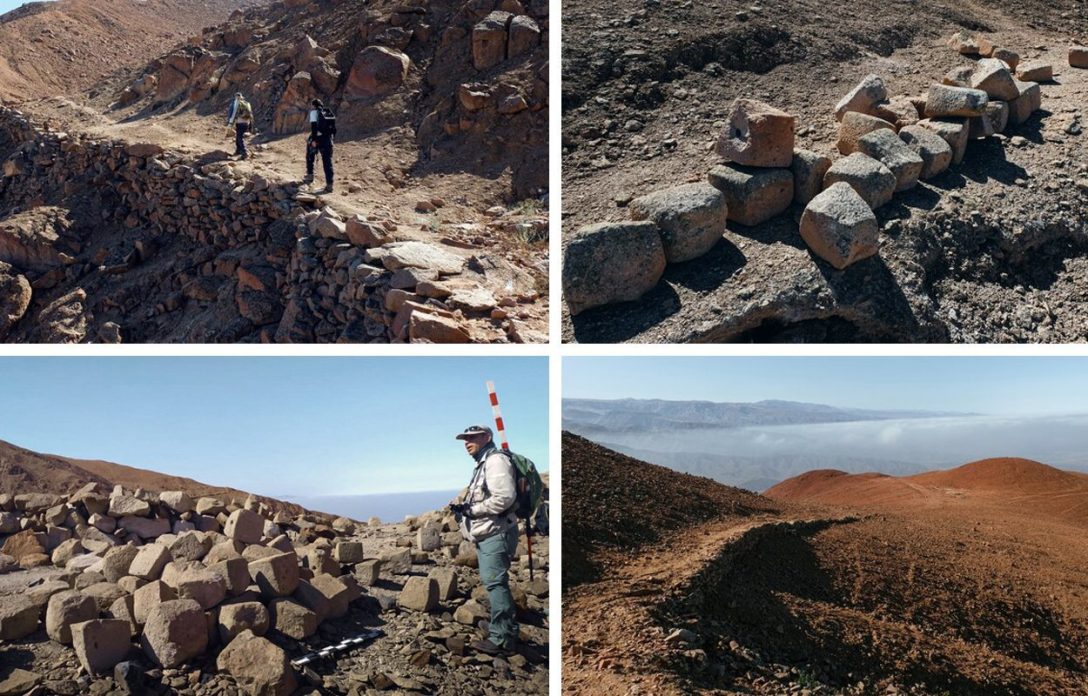
4700-year-old Megalithic Circle Discovered in the High Andes of Peru
Rewriting History: Andean Archery Found To Be 5,000 Years Old, Far Earlier Than Previous Estimates
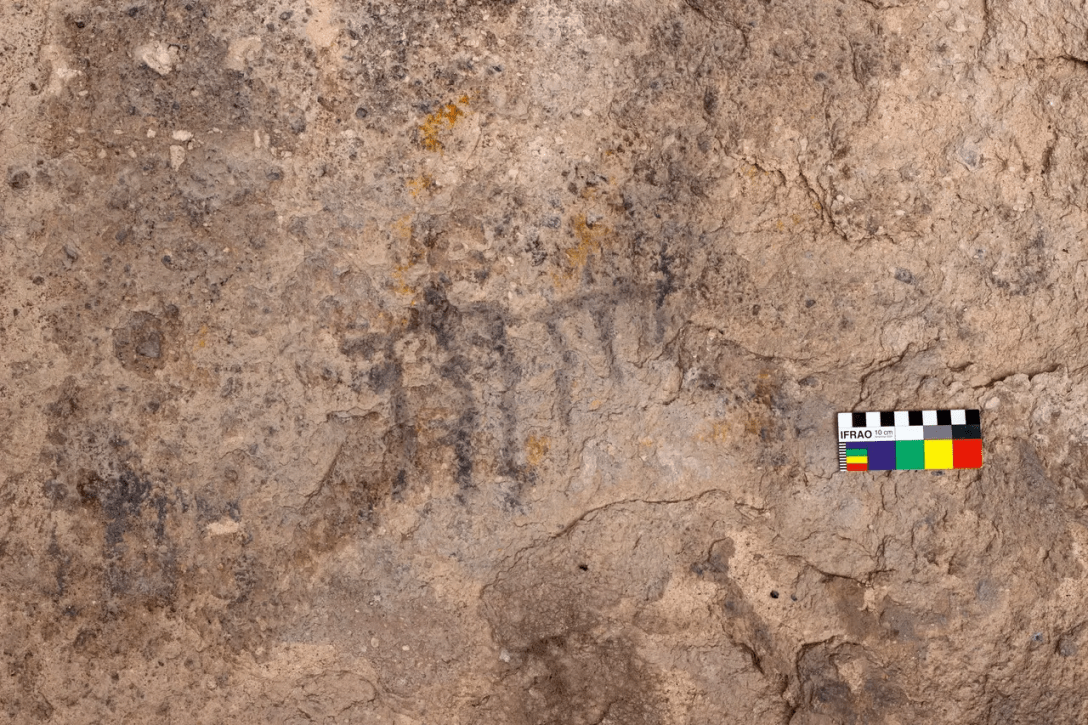
Geometric petroglyphs at Toro Muerto may represent ancient songs
New finds in Puémape (Peru) (Select English Translation)
Archaeologists discover 3,000-year-old ceremonial center in Peru
Peruvian origin of cocoa (Select English Translation)
Diet of ancient Andes hunter-gatherers was 80% plant-based, study finds
4700-year-old Megalithic Circle Discovered in the High Andes of Peru
Study uses satellite imagery to identify over 1,000 Andean hillforts
Early Settlers of Rapa Nui Had Contact With South America
Study reveals evidence of violence at a time of crisis in ancient Peru
Discovery in Maya pyramid reveals dramatic dynasty collapse, archaeologists say
Ancient walls — that served as ‘Google Maps’ for the Mayans — discovered in Mexico
Discovery in Maya pyramid reveals dramatic dynasty collapse, archaeologists say
Remarkable discovery: Czech archeologists unearth 3,000-year-old Mayan city
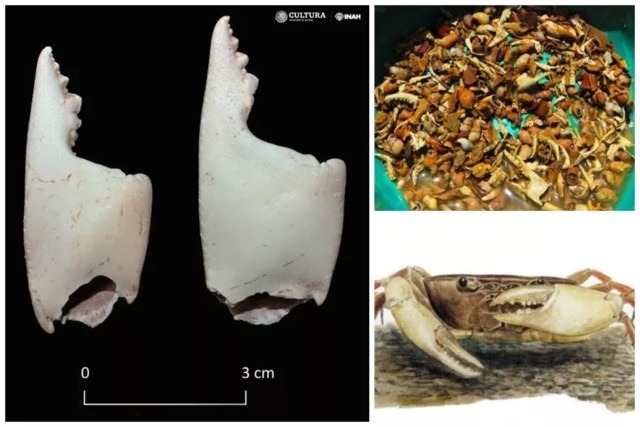
Ancient Maya Elite Ate Freshwater Crab to Celebrate Special Occasions
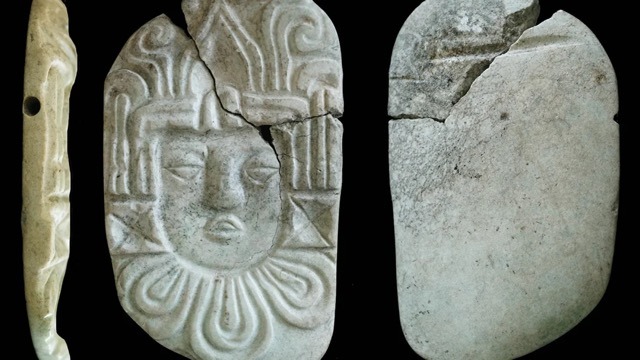
Maya Funeral Urn Depicting Corn God Unearthed by Archaeologists
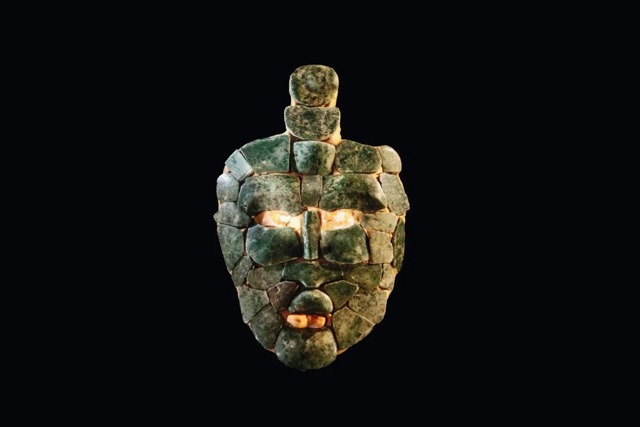
Jade Mask discovered in pyramid tomb of Maya King
Study finds evidence of Mesoamericans drinking tobacco during healing rituals
Groundbreaking Study Cracks Mystery of Humans Migrating to Americas 26,000 Years Ago
5,200 years of migrations from Mexico to California may be the origin of a mystery language
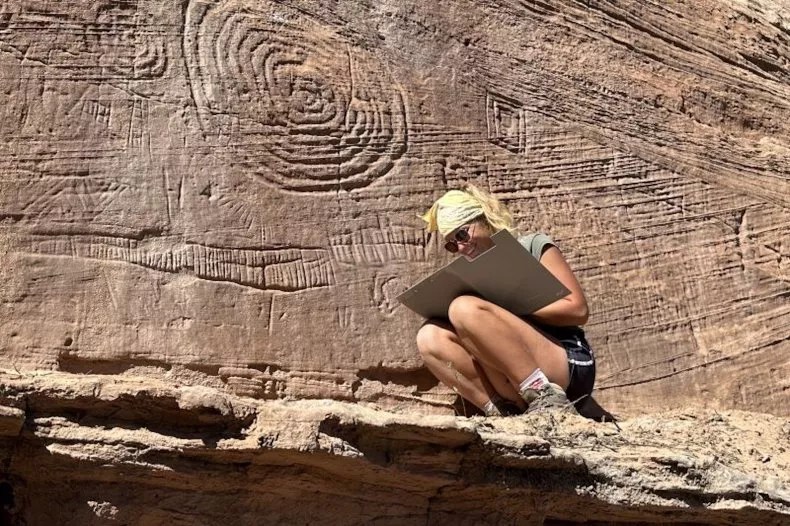
Discovery of ‘Calendar’ Rock Carvings from Ancestral Pueblo in US Southwest Surpasses ‘Wildest Expectations’
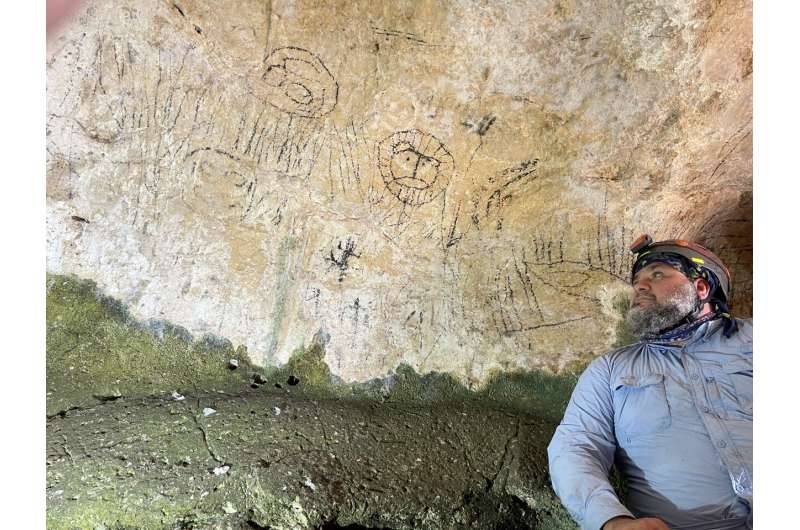
New Dating of Cave Art Reveals History of Puerto Rican People
Warrior-Trader Mixtec Tomb Unearthed in Central Mexico Town Square
Artifact Laden Pre-Hispanic, Pre-Volcanic Tombs Excavated in Chapultec Forest, Mexico
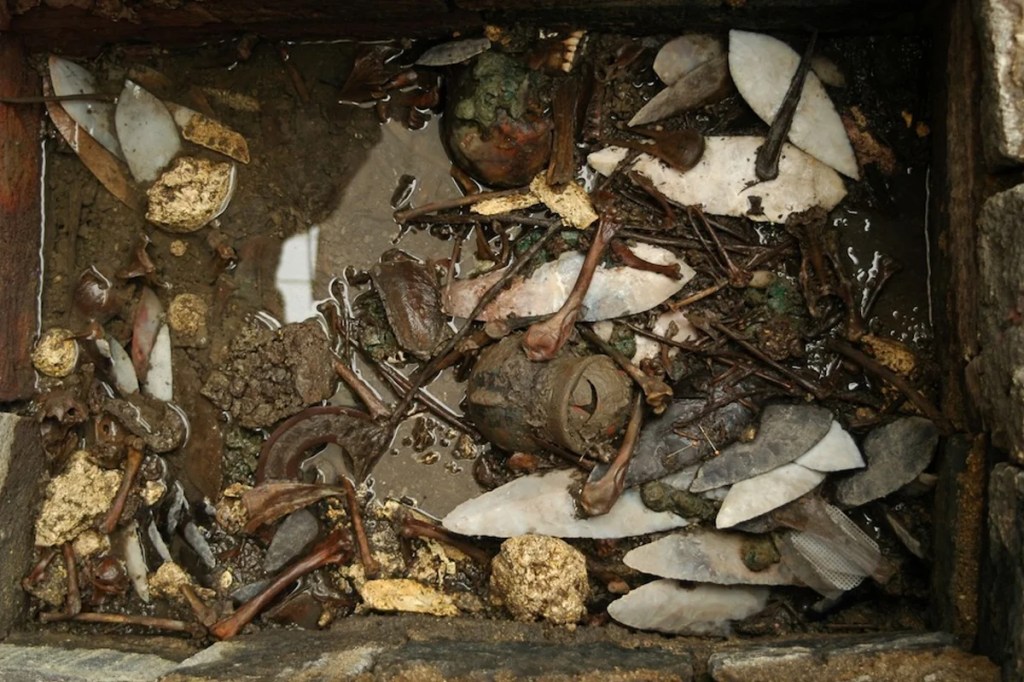
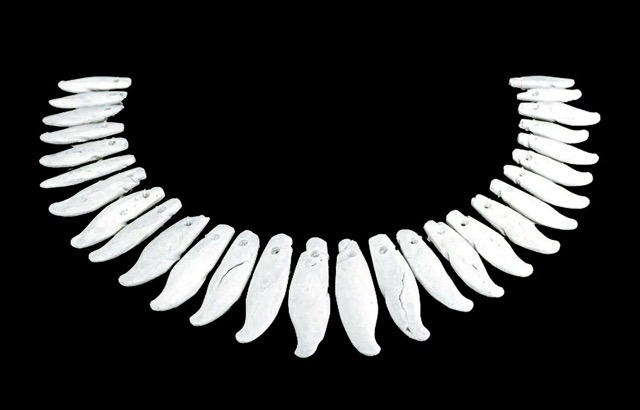
Rich array of funerary offerings found in burials at Cima de San José, Tamaulipas, Mexico
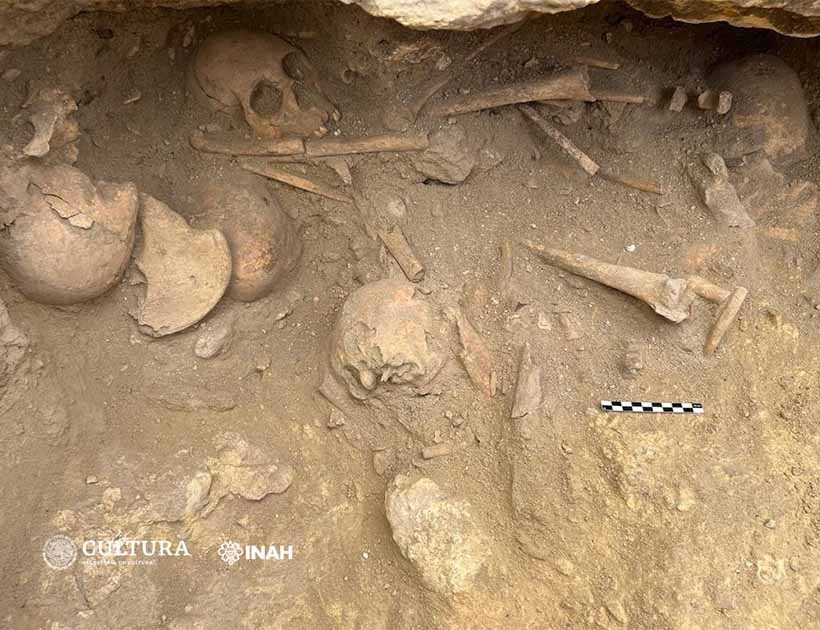
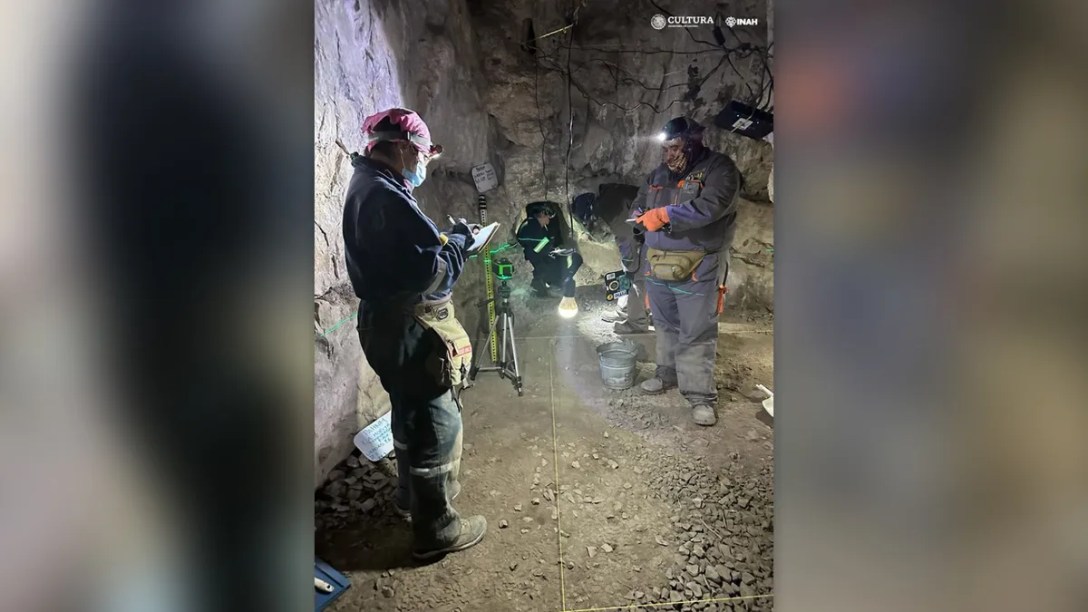
2,500-year-old burials of 3 people discovered in a cave in Nuevo León, Mexico
Confirmed! Los Morteros Site is the oldest adobe architecture in America
Inca quarries and road network found in Cañete
Feline and anthropomorphic 29 new geoglyphs discovered in Peru
73 intact Wari mummy bundles and Carved Masks Placed On False Heads Discovered In Peru
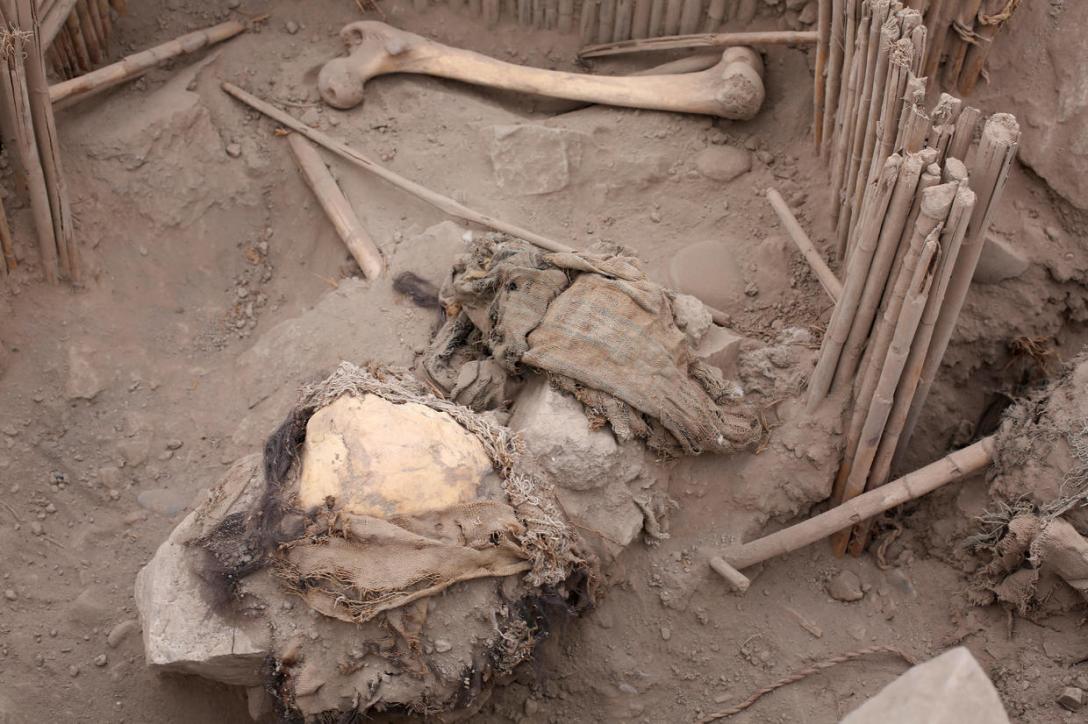
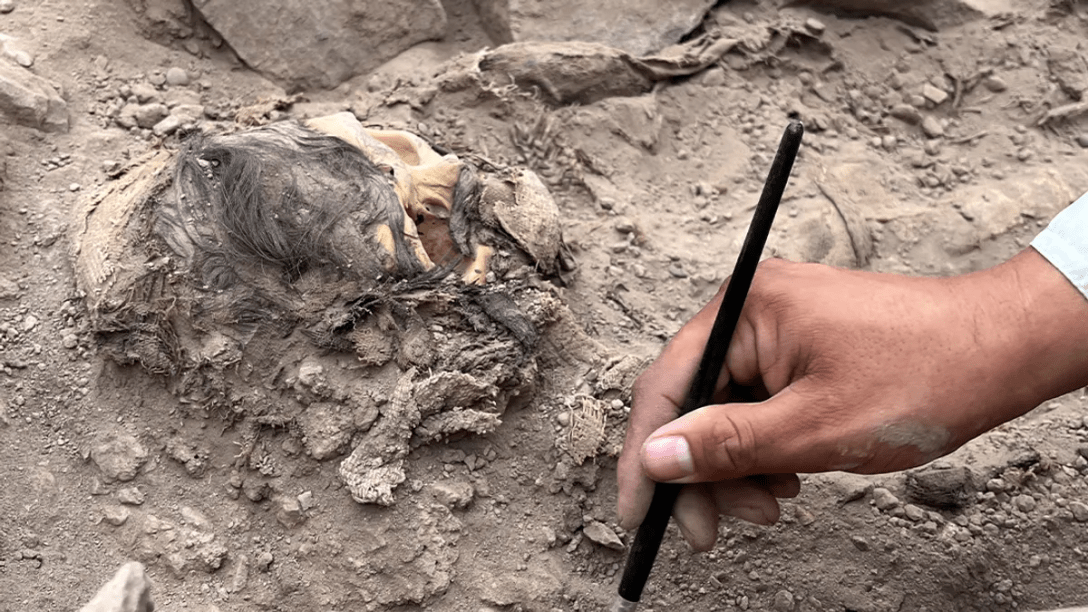
Archaeologists discover mummies of children that may be at least 1,000 years old – and their skulls still had hair on them
Survey Finds 18 km Maya Sacbé Using LiDAR
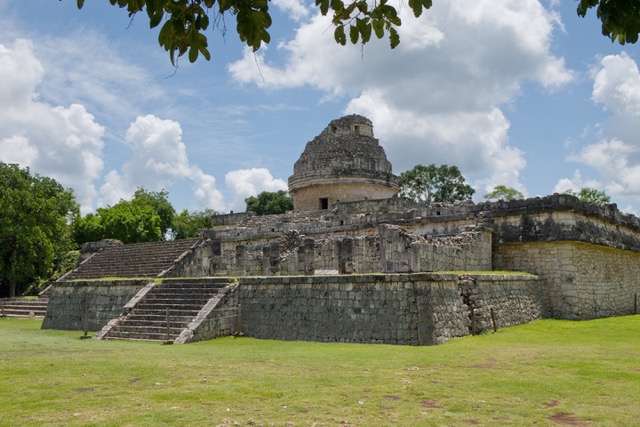
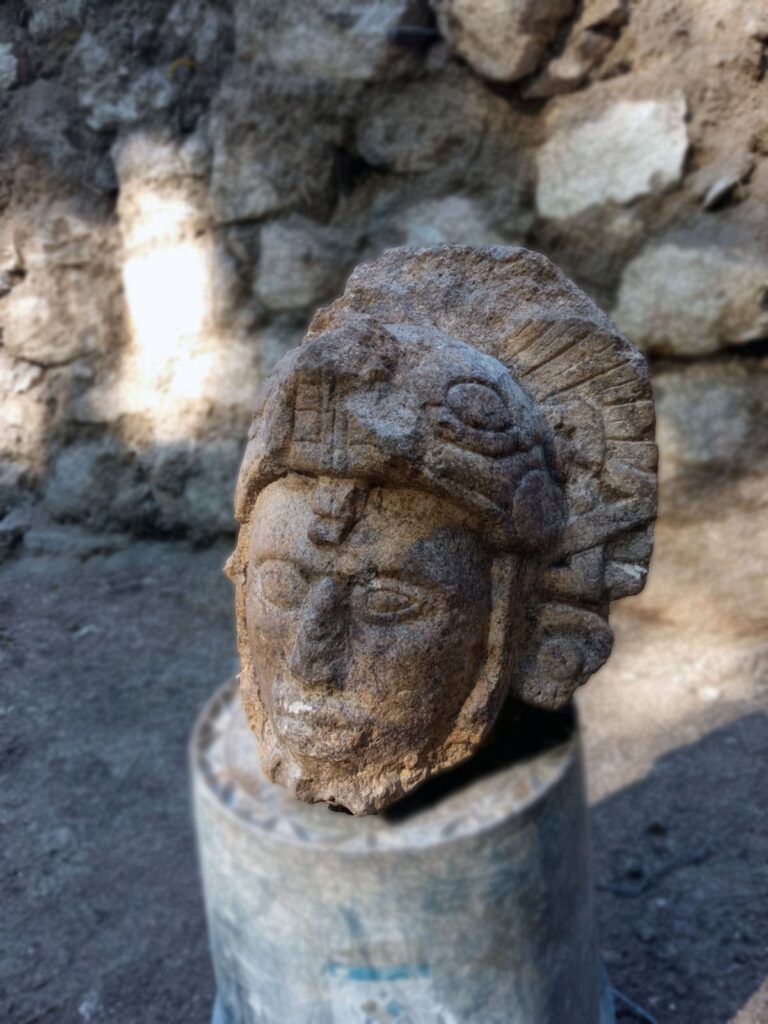
Maya Warrior Head Sculpture Found at Chichén Itzá
In Ek’ Balam, Yucatán, They Discover Ancient Chultún Reused as a Burial Chamber
Hidden Burial Chamber Discovered at Tulum Maya Site in Mexico
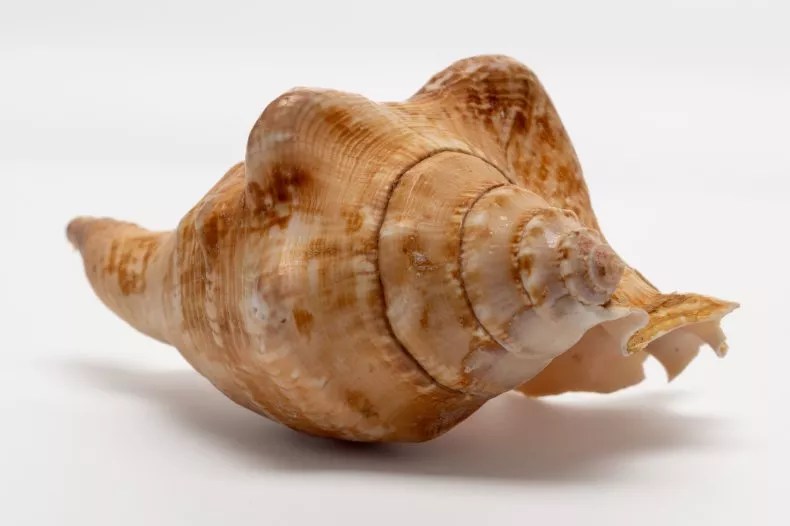
Archaeologists Discover Ancient Camp Where Maya Ate Cooked Snails
Archaeologists Find Lid of Ancient Vault With Snake Symbol at Maya Palace
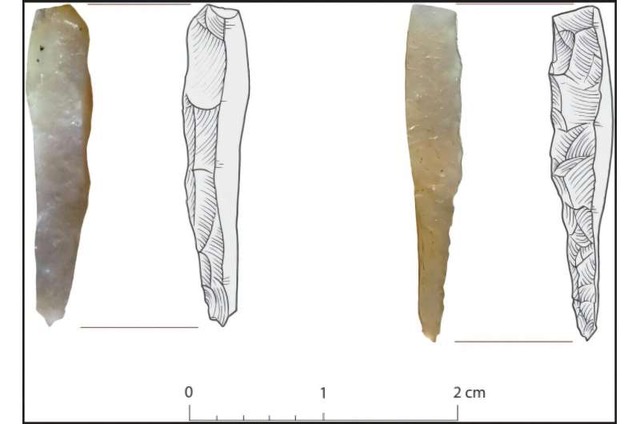
Stone Knives Discovered in Ancient Maya City Near Sacrificial Altar
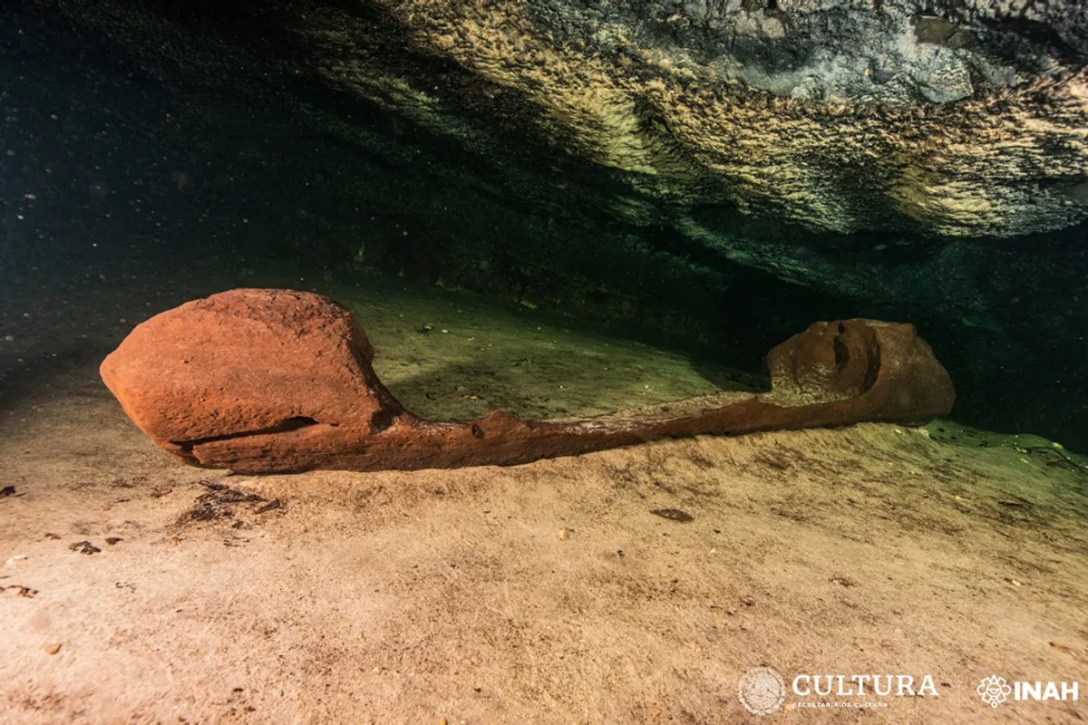
Ancient Maya Canoe Found In Mexican Cave Could Mark Portal To The Underworld
MAYA TOMB WITH FUNERARY OFFERINGS FOUND DURING HOTEL CONSTRUCTION
October 24, 2023
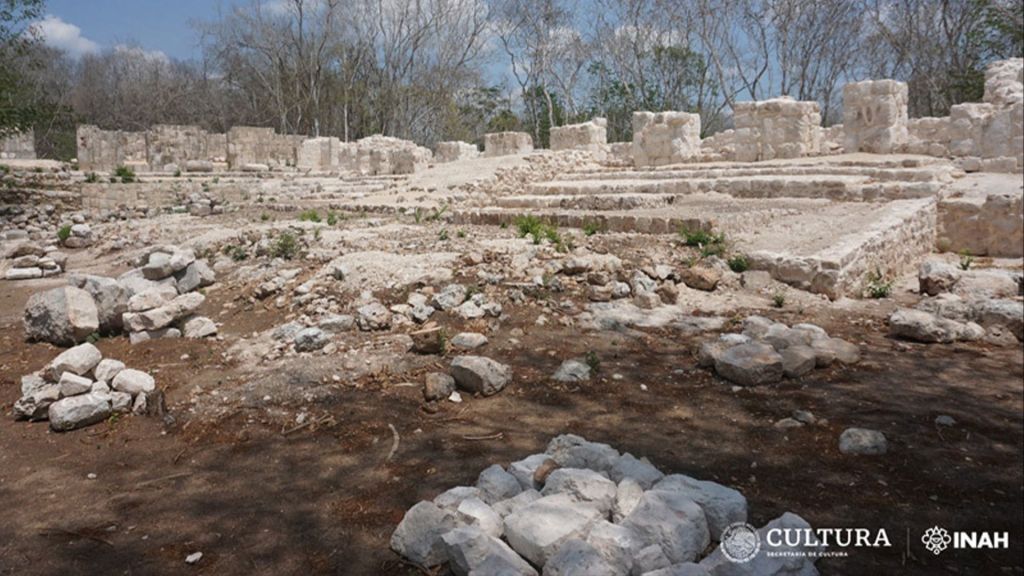
Palatial 1,500-year-old Maya structure unearthed in Mexico
https://www.livescience.com/archaeology/palatial-1500-year-old-maya-structure-unearthed-in-mexico
October 24, 2023
Palatial 1,500-year-old Maya structure unearthed in Mexico
https://www.livescience.com/archaeology/palatial-1500-year-old-maya-structure-unearthed-in-mexico

October 24, 2023
MAYA TOMB WITH FUNERARY OFFERINGS FOUND DURING HOTEL CONSTRUCTION

October 24, 2023
Ancient Maya Canoe Found In Mexican Cave Could Mark Portal To The Underworld

October 24, 2023
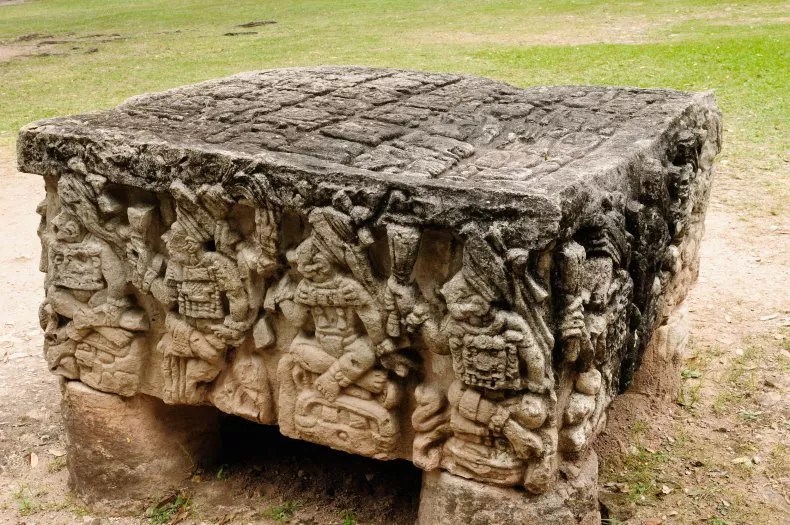
Stone Knives Discovered in Ancient Maya City Near Sacrificial Altar
https://www.newsweek.com/stone-knives-discovered-ancient-maya-city-near-sacrifical-altar-1812025
October 23, 2023
Archaeologists Find Lid of Ancient Vault With Snake Symbol at Maya Palace
https://www.newsweek.com/archaeologists-find-lid-ancient-vault-snake-symbol-maya-palace-1827482

October 23, 2023
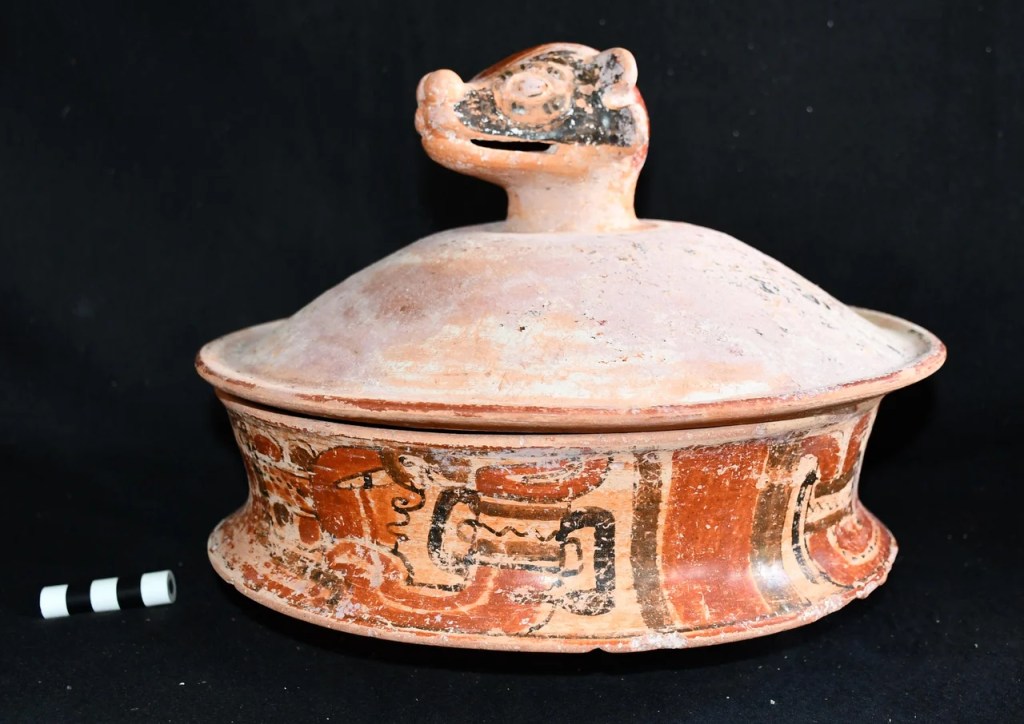
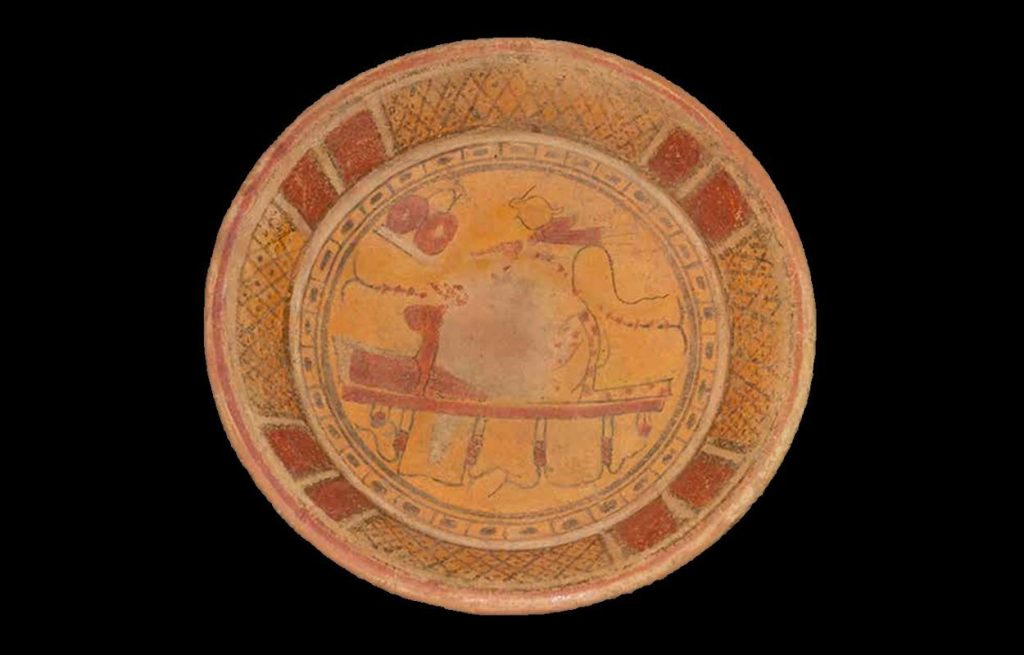
ARCHAEOLOGISTS UNCOVER MAYA DISH DEPICTING WAHYIS SPIRIT
https://www.heritagedaily.com/2023/08/archaeologists-uncover-maya-dish-depicting-wahyis-spirit/148358

Pre-Incan Site For Ancestor Worship Found In Peru
‘Thunder Floor’ Found at Ancient Andean Site in Peru
Long-lost Ancient Mural Rediscovered in Northern Peru After more than a Century
At Peru Temple Site, Archaeologists Explore 3,000-Year-old ‘Condor’s Passageway
Scarlet Secrets: Scientists Uncover Ancient Breeding of Scarlet Macaws

September 21, 2023
Scitech Daily has the report here;
https://scitechdaily.com/scarlet-secrets-scientists-uncover-ancient-breeding-of-scarlet-macaws/
Mike Ruggeri’s Ancient North America News
https://mikeruggerisancientnorthamerica.tumblr.com
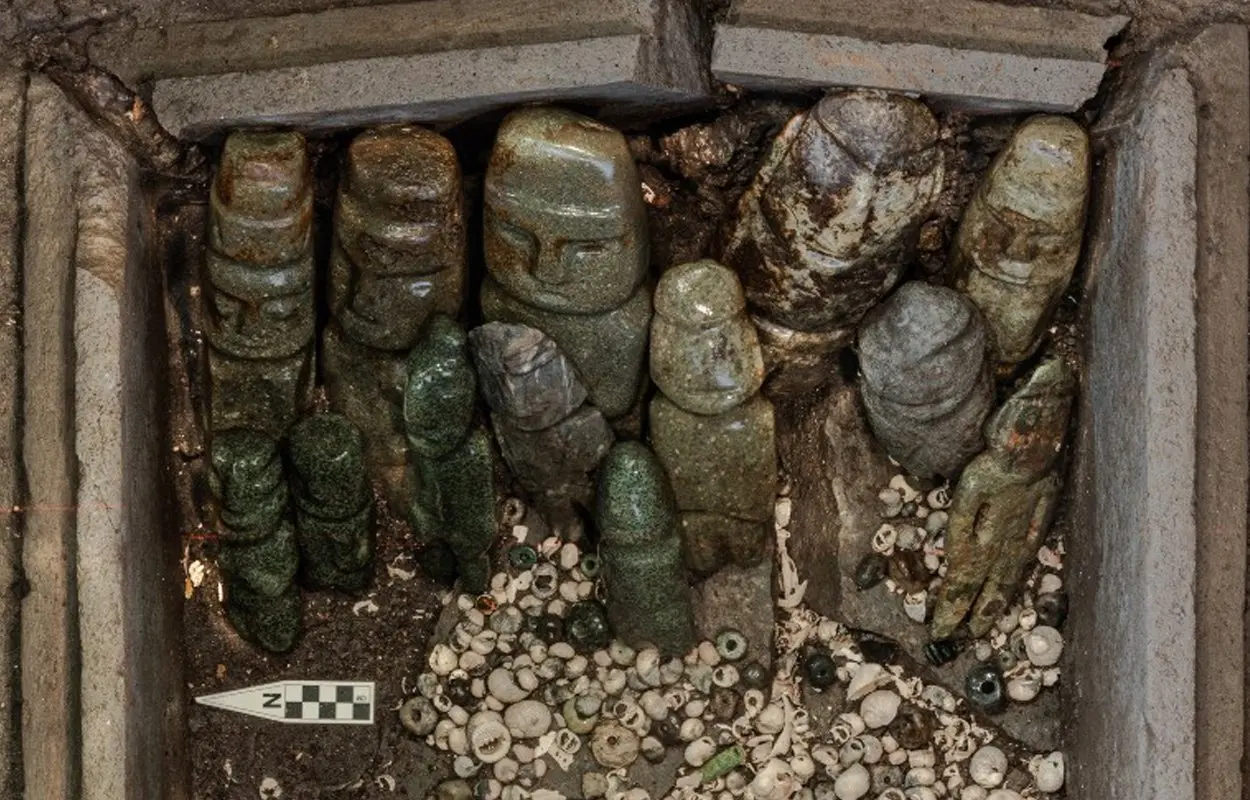
Offerings of Anthropomorphic Figurines Found at Aztec Templo Mayor

September 21, 2023
Heritage Daily has the report here;
Mike Ruggeri’s Ancient Aztec News
https://aztecnews.tumblr.com
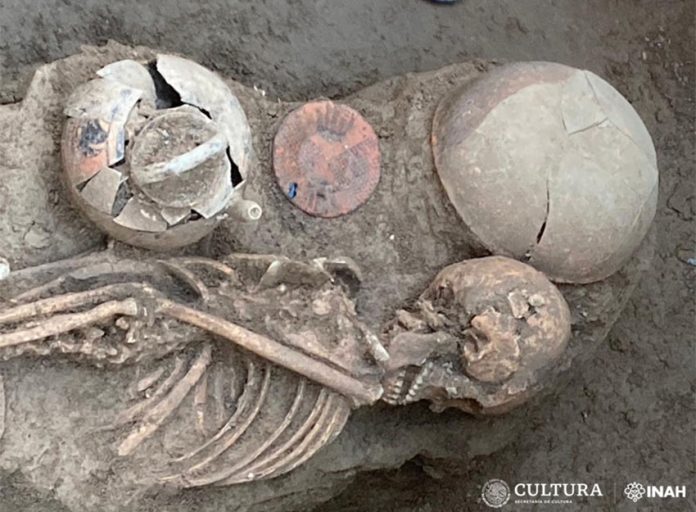
Zapotec ‘entrance to underworld’ discovered under Catholic church in Mexico
6 burials found on same site as Young Ruler of Amajac II statue

August 23, 2023
Mike Ruggeri’s Mesoamerica After Teotihuacan
http://mikeruggerispostteotihuacan.tumblr.com
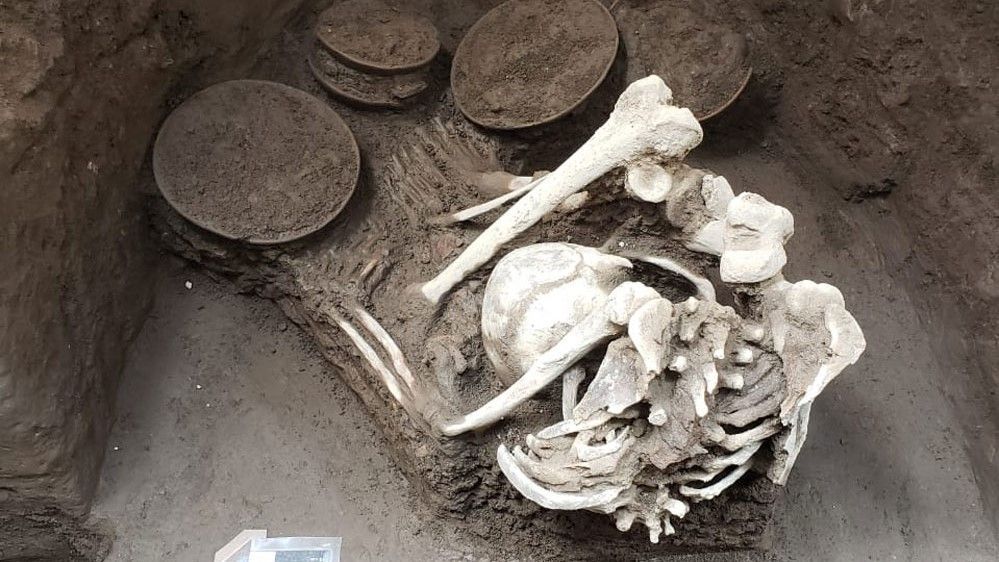
Ancient Human Remains With Heart-Shaped Skulls Discovered
ARCHAEOLOGISTS UNCOVER TEOTIHUACANO VILLAGE IN MEXICO CITY

‘Lost’ 1,500-year-old Teotihuacan village discovered in the heart of Mexico City
Mike Ruggeri’s Teotihuacan News
https://mikeruggeristeotihuacannews.tumblr.com
Archaeologists Uncover Olmec Ceremonial Center
INAH confirms discovery of Aztec settlement in Guerrero
August 23, 2023
Mike Ruggeri’s Ancient Aztec News
https://aztecnews.tumblr.com
Mike Ruggeri’s Ancient Aztec News
https://aztecnews.tumblr.com
Lasers and Chemistry Reveal How How an Ancient Empire Functioned
Archaeologists in Peru Used A.I. to Discover Ancient Geoglyphs of Killer Whales, Two-Headed Snakes, and Other Creatures Carved Into Land
3,000-Year-Old Mummy Discovered Buried With Coca Leaves And Seashells In Peru
1,000-year-old wall in Peru was built to protect against El Niño floods, research suggests
Ancient Maya ‘Deity of Death’ Sculpture Unearthed in Mexico
MAYA RITUAL OFFERINGS DISCOVERED AT UXMAL
Ancient Maya City Discovered in Campeche
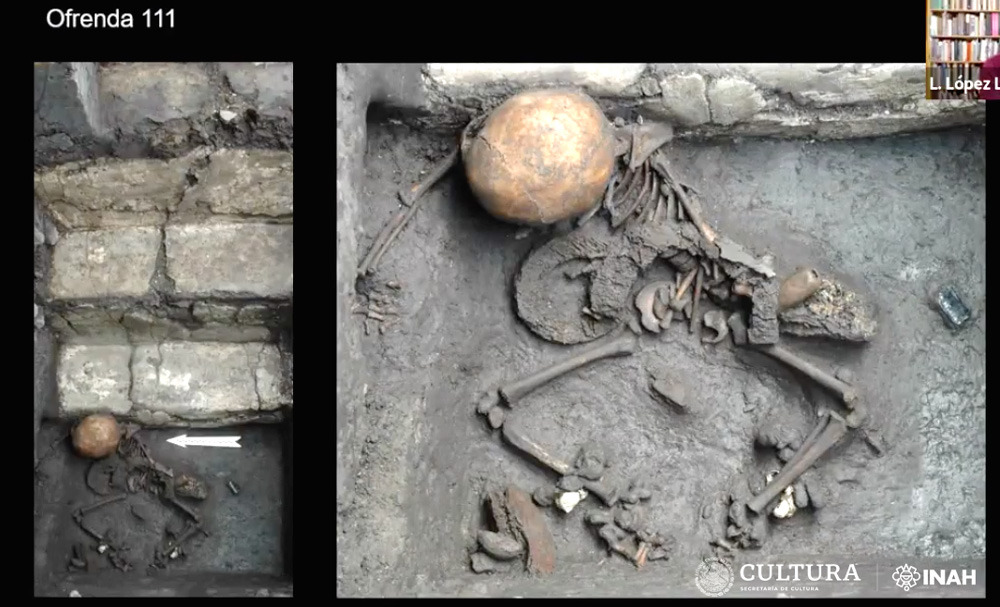
Relationship of sacrificial deposits 111 and 176 with the Templo Mayor to the god Huitzilopochtli
Some of the first humans in the Americas came from China, study finds
Surprising diversity of ethnic groups in the Virgin Islands before Columbus
Tomb of personage with strong bonds to sea sheds further light on pre-Inca Peru
Discovery of ‘superhighways’ suggests early Mayan civilization was more advanced than previously thought
The prehistoric cave where they found remains of the first settlers of Nuevo León
Pre-Columbian sculpture found in Veracruz may depict female ruler
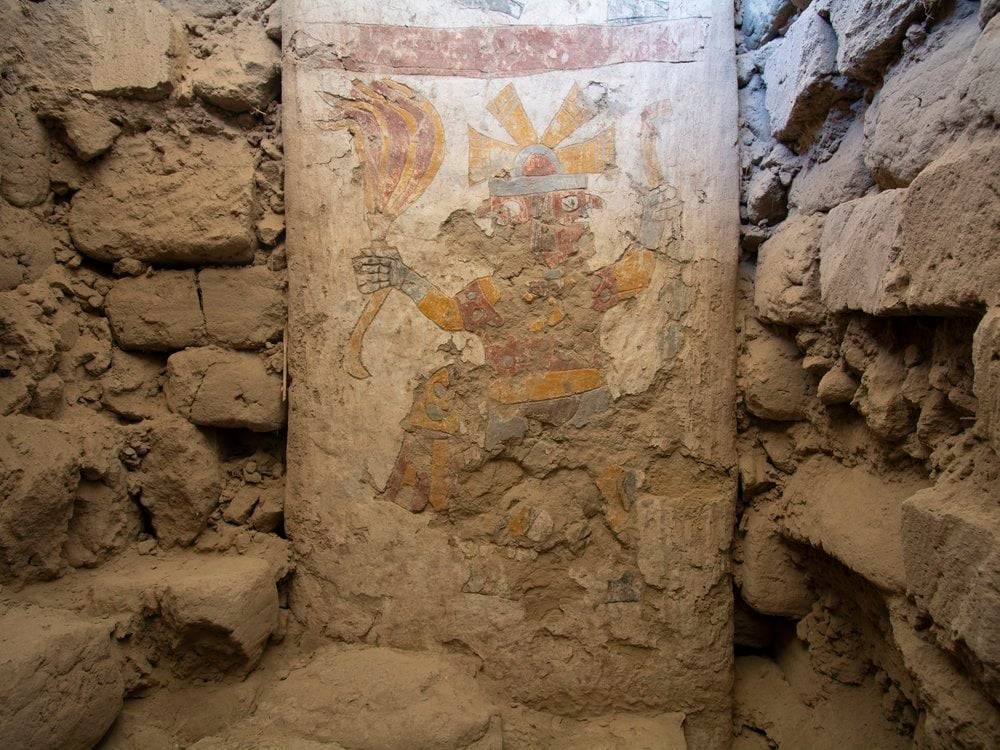
Archaeologists Discover 1,400-Year-Old Murals of Two-Faced Men in Peru
May 10, 2023
Smithsonianmag has the report here:
https://www.smithsonianmag.com/smart-news/1400-year-old-mural-two-faced-man-peru-180981975/
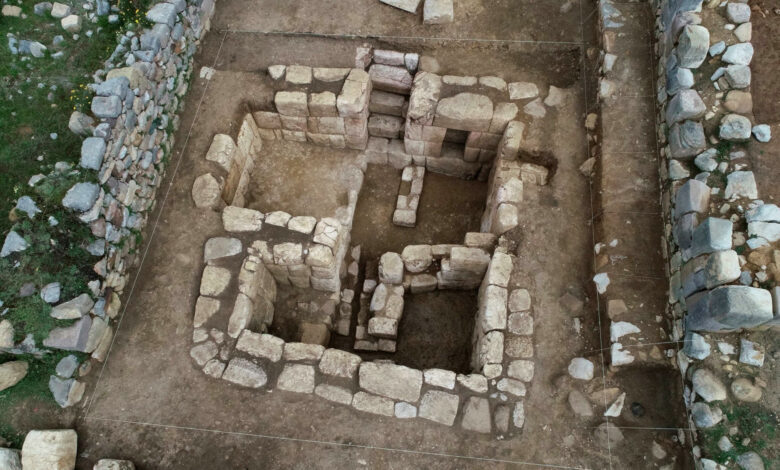
2nd ritual bath used by Inca royalty discovered at Peru archaeological site
May 10, 2023
Laprensalatina has the report here;
https://www.laprensalatina.com/2nd-ritual-bath-used-by-inca-royalty-discovered-at-peru-archaeological-site/
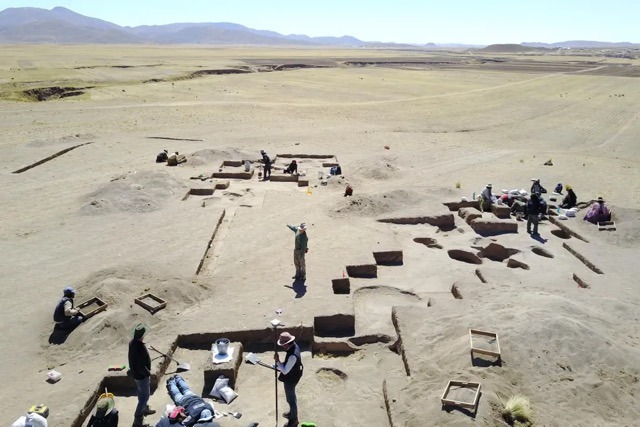
More than 100 pre-Hispanic religious sites linked to ancient Andean cults discovered in Bolivia
May 10, 2023
Phys.org has the report here;
https://phys.org/news/2023-04-pre-hispanic-religious-sites-linked-ancient.html
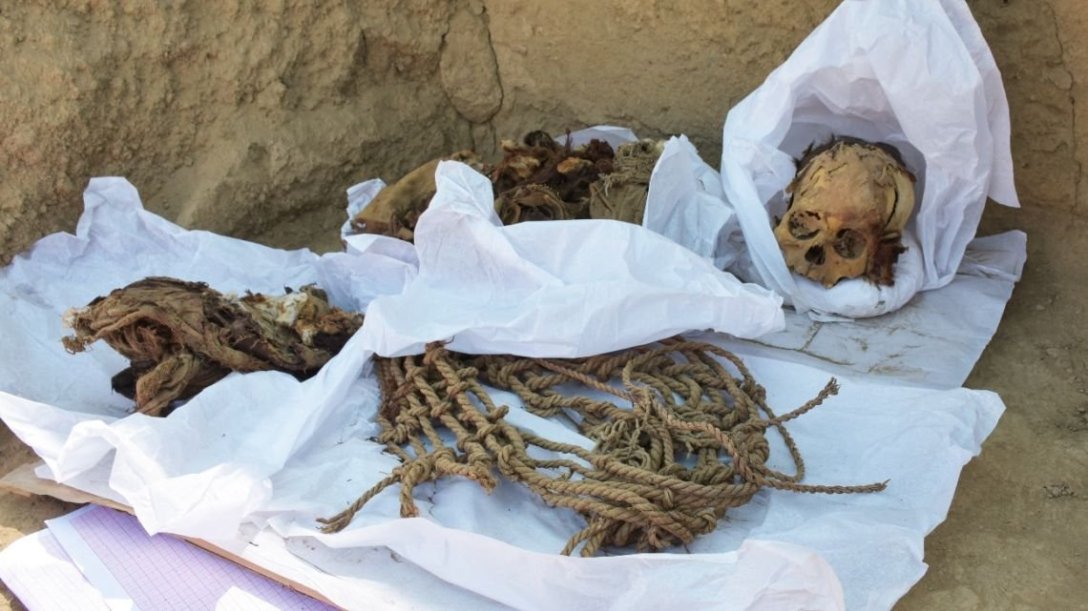
Peruvian archaeologists unearth pre-Incan teenage mummy with preserved skin and hair
May 10, 2023
Euronews has the report here:
https://www.euronews.com/culture/2023/04/26/peruvian-archaeologist-unearth-pre-incan-teenage-mummy-with-preserved-skin-and-hair
Oldest human remains from Puerto Rico reveal a complex cultural landscape since 1800BC
Native Americans Conducted Large-Scale Copper Mining 6,000 Years Ago
May 10, 2023
ScientificAmerican has the report here;
https://www.scientificamerican.com/article/native-americans-conducted-large-scale-copper-mining-6-000-years-ago/
Wichita State professor uncovers forgotten native nation that could ‘revolutionize’ history of the Great Plains
May 10, 2023
Wichita.edu has the report here;
https://www.wichita.edu/about/wsunews/news/2023/03-march/quivira_3.php?fbclid=IwAR08lU637CIqJdpso_JIFsW-exzO9r6sK7MlRrQOFXCboTCRQG703-c7Vjs
Researchers Discover How the Maya Created More Durable Plaster
MAY 9, 2023
Physorg has the report here:
https://phys.org/news/2023-04-secret-ingredient-durable-mayan-plaster.html
Decapitated Elite Maya Uncovered at the Maya site of Moral-Reforma in Tabasco
MAY 9, 2023
Heritage Daily has the report here:
https://www.heritagedaily.com/2023/04/decapitated-and-dismembered-bodies-found-at-maya-pyramid/147050
New Revelations on the Complexity of the Maya Calendar
MAY 9, 2023
Spacechatter has the report here;
https://www.spacechatter.com/2023/04/28/maya-calendar-mystery-solved-scientists-say-theyve-cracked-its-ancient-code/
Rare Sculpture of the Maya God K’awil Uncovered While Constructing the New Maya Train
May 9, 2023
Mexiconewsdaily has the report here;
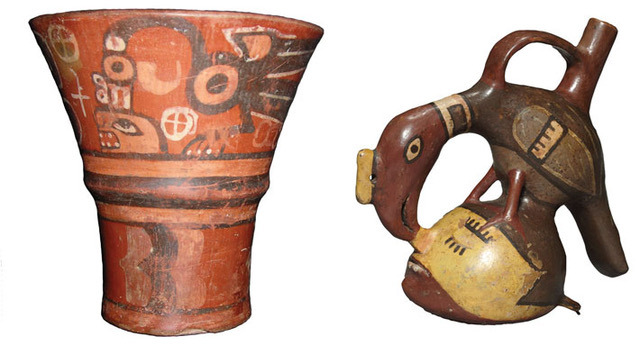
https://mexiconewsdaily.com/news/rare-statue-mayan-god-kawiil-found-maya-train/?fbclid=IwAR2lsdjrUvLQnsbeCn8rgjfITAP9G0a8oV5FoWfVDxTDsvaY0xkRvhMGt8Q
A New Theory on the Number of Female Skulls on the Great Skull Rack at Tenochtitlan
April 17, 2023
INAH archaeologists have surmised that the large number of female remains on the great skull rack in the Aztec capital of Tenochtitlan are related to the origin myth of Huitzilopochtli. The skull rack is dated to the reign of Ahuzotl from 1486-1502 He doubled the size of the Aztec empire during his reign.
The myth of Huitzilopochtli, the solar and war deity of the Aztecs, includes the great confrontation he had with the lunar goddess Coyolxauqui. There are 655 human skulls on the skull rack. 38% of them are females. They were probably female warriors or pregnant women who had a stillbirth. Female sacrifices recreated the path of Coyolxauqui to Serpent Mountain (Mount Coatepec) where she attacked her mother Coatlicue. Huitzilopochtli was in Coatlicue’s womb, and sprang fully armed from the womb of his mother and threw Coyolxauqui down the side of the mountain.
Heritage Daily has the INAH report here:
Mike Ruggeri’s Ancient Aztec News
New Discoveries at the Great Pyramid of Cholula
March 17, 2023
The Cholula Pyramid is dedicated to the major god of the Aztecs, Quetzalcoatl
INAH is doing restoration work at the pyramid and have found an adobe core on the east side that dates to Late Classic. Broken ceramics there were braziers indicating sustained use of fire at the pyramid. A cylindrical sculpture in white stone representing Tlaloc, the god of rain, storms and fertility has been uncovered.
INAH is studying the underground level and 24 tunnels under the pyramid.
Heritage Daily has the report with photos here; https://www.heritagedaily.com/2023/02/new-discoveries-at-great-pyramid-of-cholula/146158
Mike Ruggeri’s Mesoamerica After Teotihuacan http://mikeruggerispostteotihuacan.tumblr.com
(Scroll down to Cholula)
New Huastec Site Discovered
March 17, 2023
Archeologists in the Mexican state of Tamaulipas at the Huastec state of El Naranjo have uncovered four earthen mounds. The new area was used for burials and daily activities. They have found hearths, ceramics, projectile points, and grinding stones.
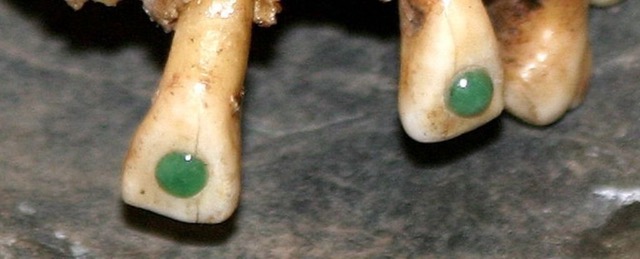
Mound 4, revealed multiple burials of adults adorned with earrings made of green quartz and shells, some carved in the shape of flowers. At the larger Mound 1, researchers identified several other burials, and a grave one adult within a limestone structure.
The mounds were made of alternating layers of earth, limestone and basalt. The area was uncovered as a result of new highway construction in the area, and research will continue.
The Art Newspaper has the INAH Report here;
Mike Ruggeri’s Mesoamerica After Teotihuacan http://mikeruggerispostteotihuacan.tumblr.com
(Scroll down to Huastecs)
9,000 Year Old Remains in the Cueva de la Paloma in the Oaxaca Valley Reveal Hunter-Gatherer Diet at That Ancient Date
March 17, 2023
Archaeologists have unearthed 9.000 year old remains beneath a layer of sediment. Cave paintings, charred birds and turtles, pollen from wild plants; yucca, chile, guava, pumpkin seeds, agave leaves
Macon.com has the report here with photos;
https://www.macon.com/news/nation-world/world/article271519622.html#storylink=cpy
New Discoveries at the Great Pyramid of Cholula
March 17, 2023
The Cholula Pyramid is dedicated to the major god of the Aztecs, Quetzalcoatl
INAH is doing restoration work at the pyramid and have found an adobe core on the east side that dates to Late Classic. Broken ceramics there were braziers indicating sustained use of fire at the pyramid. A cylindrical sculpture in white stone representing Tlaloc, the god of rain, storms and fertility has been uncovered.
INAH is studying the underground level and 24 tunnels under the pyramid.
Heritage Daily has the report with photos here; https://www.heritagedaily.com/2023/02/new-discoveries-at-great-pyramid-of-cholula/146158
Mike Ruggeri’s Mesoamerica After Teotihuacan http://mikeruggerispostteotihuacan.tumblr.com
(Scroll down to Cholula)
New Huastec Site Discovered
March 17, 2023
Archeologists in the Mexican state of Tamaulipas at the Huastec state of El Naranjo have uncovered four earthen mounds. The new area was used for burials and daily activities. They have found hearths, ceramics, projectile points, and grinding stones.
Mound 4, revealed multiple burials of adults adorned with earrings made of green quartz and shells, some carved in the shape of flowers. At the larger Mound 1, researchers identified several other burials, and a grave one adult within a limestone structure.
The mounds were made of alternating layers of earth, limestone and basalt. The area was uncovered as a result of new highway construction in the area, and research will continue.
The Art Newspaper has the INAH Report here;
Mike Ruggeri’s Mesoamerica After Teotihuacan
http://mikeruggerispostteotihuacan.tumblr.com
(Scroll down to Huastecs)
9,000 Year Old Remains in the Cueva de la Paloma in the Oaxaca Valley Reveal Hunter-Gatherer Diet at That Ancient Date
March 17, 2023
Archaeologists have unearthed 9.000 year old remains beneath a layer of sediment. Cave paintings, charred birds and turtles, pollen from wild plants; yucca, chile, guava, pumpkin seeds, agave leaves
Macon.com has the report here with photos;
https://www.macon.com/news/nation-world/world/article271519622.html#storylink=cpy
2,000 Year Old Zapotec Murals Found in Tombs in Southern Mexico
March 17, 2023
The murals show black lines, ornately dressed figures in red and yellow hues in San Pedro Nexicho, in southern Oaxaca. They are north-east of the great Zapotec capital of Monte Alba
INAH says one mural represents a war procession and was painted in a codex style. The larges tomb was looted long ago but a golden bead, ceramic pieces, shells and green stones have been found at the site. Two tombs were found intact, and human remains there will be studied. In one tomb, 240 objects were found with Zapotec writing on stucco among them.
The tombs are dated at 200-1100 CE.
ABC Australia has the report here with photos;
Mike Ruggeri’s Zapotecs
New Research on the Use of Psychedelics in Early Nazca Culture
March 15, 2023
Researchers in Peru haver analyzed the remains of 22 individuals from the early Nazca culture (100 BCE-400 CE)at 3 Nazca sites. 4 of them were trophy heads, a child, an adult female and two male adults. They found a high level of mescaline from the San Pedro cactus in the sacrificed individuals and in the child’s hair. This cactus is known in the Quechua language as Huachuma, meaning “removing the head.” And the child and the other three had their heads removed after sacrifice. The female adult had also been chewing coca leaves. The male heads were free of drugs since they were males capture in combat.
More recent Inca civilization gave ayahuasca to child sacrifice victims as an anti-depressant while they awaited their fate. However, as the study authors note, “this is the first proof that some of the victims transformed into trophy heads were given stimulants prior to their death.”
The same study also found evidence of ayahuasca use among other mummified individuals from the Early Nazca Period – which ran from 100 BCE to 450 CE – and therefore provides the earliest archaeological evidence for the consumption of these two psychedelic plants.
Ayahuasca was found in the hair of two other individuals among the remaining 18. One had so much in his hair that it suggests he was a shaman. Coca was found in five others. This is the earliest evidence of the use of Ayahuasca and San Pedro ever found, and confirms the use of Coca leaves in the early Nazca culture.
The study has been published in the Journal of Archaeological Science.
Iflscience.com has the report here;
Mike Ruggeri’s Nazca Era Peru
http://mikeruggerisnazcaera.tumblr.com
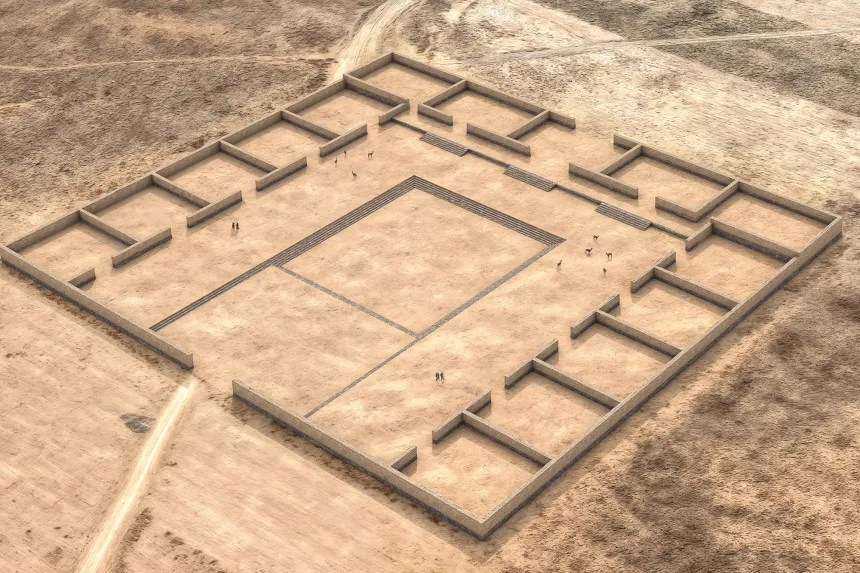
Archaeologists Discover Wari Ritual Complex at the Pakaytambo Site in Southern Peru.
March 15, 2023
The complex has a D-shape temple on a large, monumental platform next to housing structures for officials and people linked to the Wari empire. It was strategically chosen, being between the Andean highlands and coastal valleys of Arequipa and along a prehistoric transit route with ecological and political advantages.
The pre-Inca Wari culture spanned from the 6th-10th centuries.
“Open plaza spaces like this would have allowed local communities to participate in ritual gatherings organized by the Wari,” University of Illinois Chicago postdoctoral researcher David Reid said in a statement.
Reid, who also led the study, said these ritual events “would have been critical in maintaining political authority across great distances of the Wari Empire.”
The Wari built other D-shape Wari temples that have recently been found across Peru, providing greater clarity on how the empire expanded and influenced life across the country.
The research was published in the Journal of Anthropological Archaeology. News of the discovery was first reported by the Art Newspaper.
Artnews.com has the report here;

https://www.artnews.com/art-news/news/archaeologists-discover-ancient-wari-ritual-complex-pakaytambo-southern-peru-1234658747/
Mike Ruggeri’s Moche/Wari Era Peru
http://mikeruggerismoche.tumblr.com
Important Research at Mount Tlaloc in the State of Mexico
January 15, 2023
Researchers have discovered that a straight stone causeway on Mount Tlaloc, an extinct volcano, aligns with the rising sun on February 23/24. Mount Tlaloc is in the State of Mexico, where a shrine complex was built by the Mexica people. It was associated by the Aztecs with the rain god Tlaloc. And was seen as the heavenly home of Tlaloc, Tlalocan. Great rituals, offerings and human sacrifices were offered to Tlaloc at the beginning of the rainy season.
If an observer stands in the lower part of the causeway looking upwards on February 23/24, they will see the sun riding exactly in the middle of the path. The Aztec date of the New Year is February 23. They used this date to keep their agricultural calendar in line with the solar year.
The research is published in the Proceedings of the National Academies of Sciences (PNAS)
The full research paper is here;
PNAS
https://doi.org/10.1073/pnas.2215615119
Heritage Daily has the report here;
https://www.heritagedaily.com/2023/01/ruins-on-mount-tlaloc-are-an-ancient-observatory/145743
Mike Ruggeri’s Ancient Aztec News
https://aztecnews.tumblr.com
Recently Excavated Sculpture of Xipe Toltec Placed on Display at the Templo Mayor
January 15, 2023
A statue of the Aztec deity Xipe Totec (the Flayed God), excavated in the Moyotlan quadrant of the Aztec capital of Tenochtitlan, will go on display at the Templo Mayor museum in Mexico City. Xipe Totec was the patron god of that Aztec quadrant. It is 27 inches high, carved from andesite. It is missing its shield. He wears a shirt of flayed skin from a sacrificed victim. It was discovered last year during excavations on Las Delicisas street in downtown Mexico City. It was buried under adobe fill, hidden from Spanish invaders.
The restored sculpture is now on display in the lobby of the museum where it will remain until April 2nd.
History Blog has the report here
http://www.thehistoryblog.com/archives/66147
Mike Ruggeri’s Ancient Aztec News
https://aztecnews.tumblr.com
New Research May Show People Moved Back and Forth From North America to Siberia
January 14, 2023
The remains of three people who died in Kamchatka, Siberia show they had North American genes. So people traveled back and forth across the Bering Sea region. Researchers studied genetic and linguistic evidence that showed folks in North America boated back to Siberia. This new DNA evidence bolsters the proof of this. The evidence from this new DNA study shows evidence of this return journey 5,000 years ago and 1,500 years ago.
However, critics point out that the genes identified as North American comes from a group that never left Siberia but shares ancestry with Native Americans.
Ancient Siberia is turning out to be a crossroads. Altai hunter-gatherers in Siberia are related to Bronze Age people from Central Asia. One who appears to have been a shaman in the burial remans had northeast Asian ancestry. And one has ancestry from the Jomon people in Japan.
The research is published in Current Biology
Science.org has the report here.
Mike Ruggeri’s Pre-Clovis and Clovis News on Tumblr
Pedra Furada Pre-Clovis Claims Debunked
January 14, 2023
Some researchers have been claiming that they found stone tools made by humans that were in use 50,000 years ago at the Pedra Furada site in Brazil. But new research shows that Capuchin monkeys widely made and used stone tools in this area at that time. The assemblage found at Pedra Furada does not show anything beyond crude stone tools that were probably made by the Capuchin monkeys.
The monkeys have their own rock quarries, where they selec rocks to use as hammers to crack nuts against a larger, flattened anvil rock. Rocks also come in handy for eating seeds and fruits—and the monkeys even lick the dust created from driving two rocks together, possibly as a way of adding minerals to their diets.
Stone tools assist capuchins with other tasks as well, such as digging. And the females throw rocks at potential mates as a way of demonstrating sexual interest.
All of these processes can lead to the stones breaking into smaller flaked pieces—which, the new study found, are indistinguishable from some ancient stone tools carved by early humans.
The research is published in Sage Journals’ The Holocene
Artnet.com haș the report here:
https://news.artnet.com/art-world/ancient-tools-monkeys-2237820
Mike Ruggeri’s Pre-Clovis and Clovis News on Tumblr
http://mikeruggerispreclovisnews.tumblr.com
Ancient Maya Market System Studied
January 10, 2023
Research into the K’iche led region of Guatemala shows that trade in obsidian was manage by local people through independent trade networks. And it was based on availability and craftsmanship. So it appears this is a system based on a free market. Research was done on a geochemical and technological analysis on obsidian artifacts excavated from 50 sites around the K’iche’ capital. Where did raw material come from and what were the manufacturing techniques used.
In the capital area, centralized control and managed trade was in operation. Outside the core area in conquered areas, they obtained their own obsidian and developed obsidian markets.
The research is published in Latin American Antiquity
Phys.org has the report here;
https://phys.org/news/2023-01-mayas-market-based-economics.htm
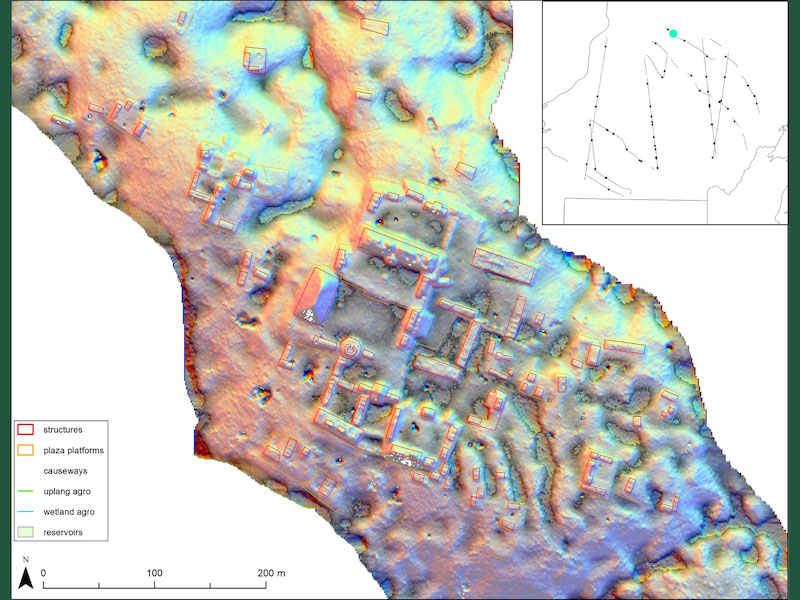
Huge New Ancient Maya Civilizational Complex Found in Northern Guatemala
January 10, 2023
A previously unidentified Maya area now 964 settlements have been found by LIDAR flying over Guatemala’s Mirador-Calakmul Karst Basin in northern Guatemala. It is dated to 1000 BCE-150 CE covering 650 square miles with 110 miles of roads. They also built a vast causeway network. There are 775 sites in the central area and 189 sites in the surrounding area. 417 cities, towns, and villages from part of a unified civilization. Patterns, ceramics, sculptures, architecture all show this unity. Thousands of workers had to be mobilized in an area previously thought to be sparsely populated.
“The labor would include lime producers, mortar and quarry specialists, lithic technicians, architects, logistics and agricultural procurement specialists, and legal enforcement and religious officials, all operating under a political and ideological homogeneity,”
Large pyramids and platforms have been identified as well as 30 ball courts. 195 artificial reservoirs and a network of canals for transporting water was were constructed. The study is published in the journal Ancient Mesoamerica.
The report is published here;
168 New Nazca Geoglyphs Discovered in Peru
January 7, 2023
Archaeologists from Japan’s Yamagata University have discovered 168 new Nazca Lines on the Pampas de Juman in the Nazca Desert in southern Peru, the latest addition to over 800 straight lines, 300 geometric figures, and 70 animal and plant designs
The figures depict humans, camelids, birds, killer orca whales, cats, and snakes, and date to 100 BCE-300 C.E. Some measure just 10 or 20 feet long, which helps explain why they went undetected for so long. In comparison, the biggest geoglyphs measure about 1,200 feet across.
They conducted researcjwith drones, taking aerial photos, and conducting field surveys from June 2019 to February 2020, using high-resolution aerial photographs taken by drones. A.I. technology provided an assist in spotting and deciphering the age-old markings. The Nazca Lines can now be found across a 170-square-mile area.
only 5% of all existing Nazca lines have so far been found. These geoglyphs were created by removing black stones from the surface of the earth to expose a white sandy surface below. it is unclear how the black stone was removed.
Some geoglyphs are in danger of being destroyed due to the recent expansion of mining-related workshops in the archaeological park.
Artnet haș the report here with many photos;
https://news.artnet.com/art-world/new-nazca-lines-discovery-2231132
New Research into Chincha Culture Funeral Rituals in Ancient Peru
January 6, 2023
Researchers analyzed hundreds of human remains from the Chincha culture in Peru going back as far at 1000 CE in large mortuary structures to study the use of fingerprinting red pigment on skulls in funerary rituals. They found different kinds of red paint were used and only certain people were painted. Using X-ray powder diffraction, X-ray fluorescence spectrometry, and laser ablation ICP-MS, techniques, they found that 24 of the samples came from iron based ochres like hematite, 13 came from mercury based cinnabar, and one was a combination. Cinnabar came from hundreds of miles away and the hematite came from local sources.
Most of those whose skulls were painted were adult males. Bones of women and children who had healed traumatic injuries and those whose skulls were modified as babies were also painted. They used textiles, leaves and their hands to apply the pigment. It appears that the painters also entered the mortuaries to paint those who had been desecrated during the European conquest
The research is published in the Journal of Anthropological Archaeology.
Live Science has the report and photos here:
https://www.livescience.com/ancient-skulls-red-fingerpaint-peru
Researchers Study the Remains of a Spider Monkey at Teotihuacan Given by the Maya
December 10, 2022
In 2018, archaeologists found the remains of a spider monkey gifted by the Maya to Teotihuacan in Teotihuacan’s early history. Research into the remains of the monkey using DNA, radiocarbon dating, and chemical study of the diet of the monkey, researchers have reconstructed the life and death of the monkey. Spider monkeys are not native to the Mexican highlands where Teotihuacan is located. The money was found in a complex that contained obsidian projectile points, conch shells, and precious stone artifacts, 14,000 ceramic shards from a grand feast, as well as a Maya mural depicting the spider monkey.
The monkey was brought as a gift to the elite at Teotihuacan by a Maya emissaries and the monkey was given a brutal live burial sacrifice send off. The research was published in Proceedings of the National Academy of Sciences (PNAS)
Science Alert has the report here;
INAH Uncovers a Large Headless Maya Statue at the site of Oxkintok in the Yucatan
December 12, 2022
Oxkintok is in the Puuc region of the Yucatán and emerged as a major centre during the Early Classic and Terminal Classic periods. They constructed large pyramids and decorated their city with an abundance of richly detailed iconography and hieroglyphics.
The city was abandoned sometime around AD 1500. There is no evidence that warfare or famine caused the abandonment.
INAH announced that during excavation work for the Maya Train, a 1,525-kilometre intercity railway in Mexico that will traverse the Yucatán Peninsula, researchers found a headless life-size Maya statue. Nicknamed “Yum keeb” — the god of the phallus or fertility, the statue is made from limestone and measures 1.65 metres tall. The statue was possibly used as an offering to the gods and was found lying on his back near a hieroglyph-laden staircase that was being cleaned and restored. Experts believe that the statue represents a human figure and depicts a prisoner of war captured in conflict.
During a press conference by INAH, archaeologists also announced that a survey which extends 254 kilometres, also detected more than 1,730 pre-Hispanic constructions, ranging from simple domestic architecture to monumental constructions for civil and ceremonial activities.
Heritage Daily has the report here;
https://www.heritagedaily.com/2022/12/excavations-uncover-headless-life-size-maya-statue/145499
Research at the Maya site of Tamarindito in Guatemala
December 12, 2022
Archaeologists and Epigraphers at the Maya site of Tamarindito in Guatemala left hieroglyphic tributes to themselves and a dynasty they named the “Foliated Scroll” dynasty. New findings indicate they were planning to create this dynasty by attracting followers to their site. The site was founded in 400 CE and only had 400 inhabitants. It took 150 years for the hamlet to become a power at 550-800 CE. During this time, they established a second site further north.
The dynastic leaders had to convince the non-elites to recognize their power. Archaeologists at the site have spent seven field seasons excavating and documenting all the royal inscriptions. The elite built a pyramid and large plaza on a 70 foot high hill. It would have taken 23-31 workers to build this 25 years. At its peak, no more than several thousand lived there.
The research is published in the journal Latin American Antiquity
Science News has the report here;
https://www.sciencenews.org/article/maya-rulers-attract-subjects-guatemala-tamarindito
INAH Completes Research on Stone Masks Found at the Maya Site of Tonina
December 12, 2022
INAH has uncovered a trove of stone masks at the Maya site of Tonina in southern Mexico. The masks were found in an around a structure called the House of the Recreation of the Universe, near a sunken plaza. They dare to 650 CE. The masks symbolize elements of the underworld, earth and sky. These masks have been uncovered since 2013. Masks missing a lower jaw represent gods of the underworld. Some makes are of gods from different cultures, such as the Central Mexican rain god Tlaloc.
These masks were placed in storage and not announced until research we completed on them recently.
Heritage Daily has the report here;
https://www.heritagedaily.com/2022/11/faces-from-the-past-stucco-maya-masks-unearthed-at-tonina/145371
New Research on the Ancient White Sands Footprints
November 21, 2022
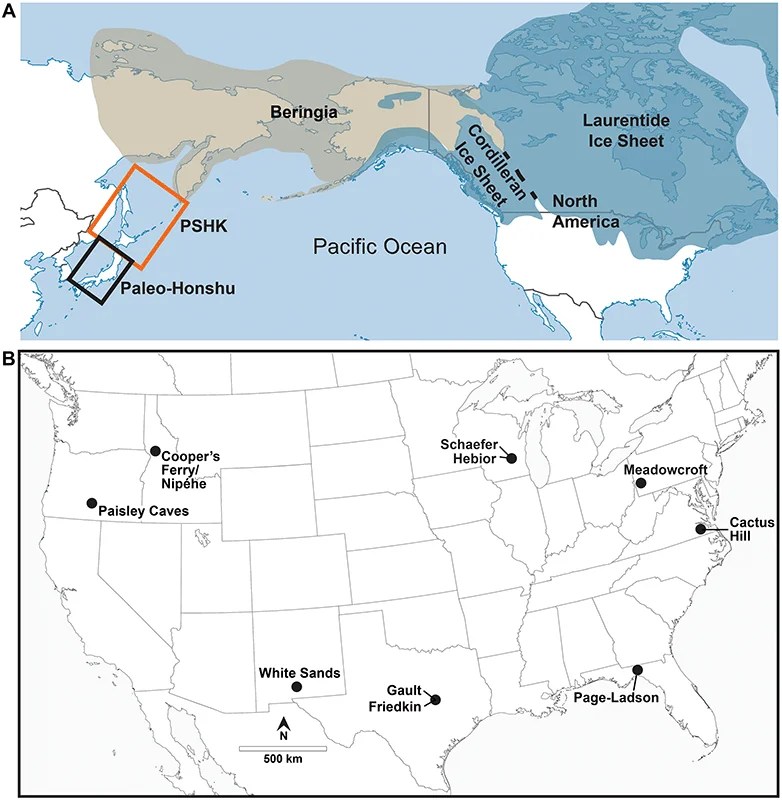
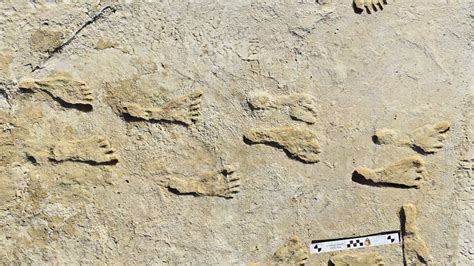
New research on the ancient human White Sands footprints which were dated by a research team to be between 23,000-21,000 years old has now been disputed by a new team of researchers from the Universities of Nevada, Kansas, and Oregon State. The original team making the claim used tiny seeds used to date the footprints using radio carbon methods. The plant seeds came from Ruppia cirrhosa, an aquatic plant that grows underwater. These plants do not get their carbon from terrestrial sources but from dissolved carbon atoms in the water. Using aquatic plants like this for radio carbon dating is problematical. Earlier radio carbon dating of these aquatic plants were found to be only 7.400 years old in a study at New Mexico labs in 1947. Finding these plant seeds in conjunction with human footprints would subtract 7,400 years from the age of the footprints, making the footprints between 15.000-13,000 years old. Cambridge University Press published the new research here:
https://doi.org/10.1017/qua.2022.38
Heritage Daily has the report here. https://www.heritagedaily.com/2022/11/new-research-questions-dating-of-ice-age-footprints-in-north-america/145212
New Research on Parrots at Ancient Southwest Sites
November 22, 2022
Researchers led by a University of Texas at Austin team are finding out that thick billed parrots found at sites in the Southwest were captured locally and not all of them were imported from Mexico. They do not live in the US today due top habitat loss and hunting. They were abundant in the 1930’s in the Southwest from New Mexico to Arizona and northern Mexico. They live in pine forests. The researchers found that at the 10 sites where thick billed parrots have been found all had buildings made of pine timber. All had pine forests near by. They probably captured the parrots when they were gathering timber.
So the idea that all of the brightly colored parrots found in Southwest sites were from Mexico will change.
The research is published in The Wilson Journal of Ornithology.
Eurekalert has the report here:
The Maya site of Nixtun-Ch’ich’ in Guatemala Shaped Like a Crocodile?
November 16, 2022
Researchers at the Maya site of Nixtun-Ch’ich’ in Guatemala, dated at 800-500 BCE have proposed the city was laid out in the form of the back of a crocodile. Crocodiles represent the earth as the crocodile Itzam Cab Ain. This monster was sacrificed and dismembered at creation. It became the ordered universe.” It also represents the cosmic destroyer slain by the gods to create the surface of the earth. It is linked to fertility and re-birth. The crocodile is the base of the world tree linking the underworld, earth and the sky. Like turtles in the Maya cosmology, they are a link between the underworld and earth.
In the Maya world, Crocodiles appear on altars and public architecture and in ceramics and carved materials. Crocodile hides were worn by shamans and crocodile remains are found in ceremonial remains. The topography of Nixtun-Ch’ich’ has been uncovered by the researchers, and GPS has shown the layout of the site. It does look like a crocodile with its bilateral symmetry and city blocks that look like the scaly back of the animal, which appears to be shifting into the lake, the researchers say.
A defensive ditch may represent the slit throat of the crocodile done by the gods. In the mythology, there is a hole in the back of the crocodile. A cenote at the site may represent that. The researchers admit that this may be projection by the researchers wanting to see a crocodile. Others are also skeptical. The site was planned as a sacred landscape aligned with the movements of the sun
The research is published in Frontiers in Political Science
Newsweek has the report here:
https://www.newsweek.com/mystery-ancient-maya-city-looks-like-crocodile-1759025
Blaze
LIDAR Uncovers the Immensity of the Maya site of Calakmul in Campeche
November 16, 2022
Canadian researchers, in conjunction with INAH, have used LIDAR at the Maya site of Calakmul in Campeche, the seat of the Snake dynasty from 635-850 CE, which dominated the Maya lowlands with a huge vassal network, have uncovered a vast network of urban construction, huge apartment compounds, some with 60 individual structures, and a very dense urban scrawl.
These were clustered around temples, shrines, and marketplaces. Calakmul was one of the largest cities in the Americas at 700 CE. Calakmul was covered with water canals, terraces, walls, and dams, for food and water.
Reese-Taylor and her colleagues on the Bajo Laberinto Archaeological Project are on the INAH TV YouTube channel.
www.youtube.com/watch?v=m58Wjq9jRWY
Physorg has the report here:
https://phys.org/news/2022-10-collaboration-reveals-urbanization-landscape-modifications.html