
December 13, 2018
Ancient Peruvian Culture Used Chameleon Urine as a Paint Binder
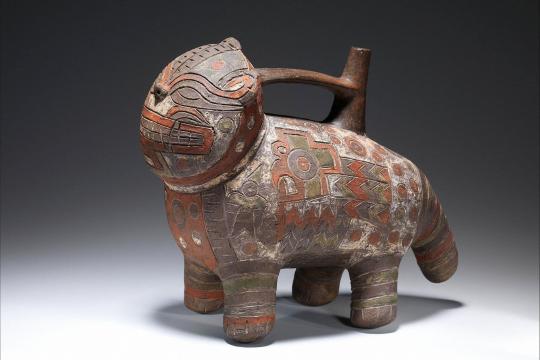
Researchers studying ancient Peruvian Paracas culture (600-100 BCE) pottery made at the site of Cahuachi have found that one of the binders used to hold the paint together contained urine from chameleons. And the chameleon urine was used over time. The urine was used as a binder on white and blue pottery. Some reptiles urine is semi solid. There are snake and salamander motifs on Paracas pottery.
There is a correlation between the older Chavin culture (900-200 BCE) and the later Paracas culture in terms of pigment use such as cinnabar being replaced by red ocher over time.
The 15 different colors used in Paracas ceramics show a shift in pigment use that can show trade and interaction in the area.
The researchers are still trying to figure out what the plant binder is made of. If they can pinpoint that, this will tell them more about trade and cultural connections. The Paracas were a desert dwelling people but still figured out to produce multi-covered designs on vessels and clothing.
National Geographic has the report here with many photos;
https://www.nationalgeographic.com/culture/2018/12/ancient-paracas-pots-reptile-urine-chavin-connections/
More photos here;
https://www.dailymail.co.uk/sciencetech/article-6487473/Painting-urine-Ancient-Peruvian-culture-used-chameleon-waste-create-white-paint.html
Mike Ruggeri’s Ancient Andean News on Tumblr
http://mikeruggerisancientandeannews.tumblr.com
Mike Ruggeri’s Ancient Peru (5000 BC-600 BC)
http://mikeruggerisancientperu.tumblr.com
(Scroll down to the Paracas)

 MIKE RUGGERI'S ANCIENT AMERICAS NEWS